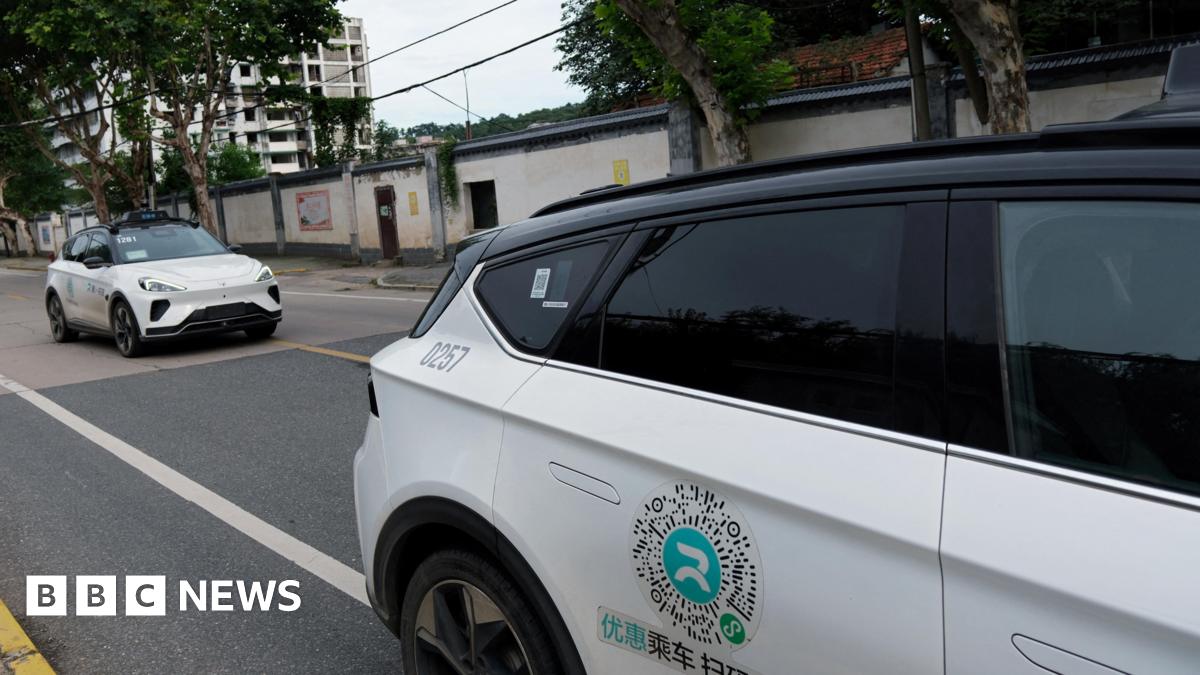
At least 100 Baidu Apollo Go robotaxis stopped mid-traffic in Wuhan due to a reported 'system malfunction', halting traffic but with no reported injuries. The outage amplifies safety and regulatory concerns around driverless deployments and could complicate planned UK pilot trials with Uber and Lyft in 2026 that still require regulatory approval. Monitor Baidu disclosures and any regulatory actions or operational restrictions, as repeated incidents raise reputational and regulatory risk for autonomous vehicle programs.
A high-visibility reliability event in the autonomous mobility sector will compress the timeline for regulatory mandates rather than merely cause momentary reputational damage. Expect regulators in major markets to push for prescriptive redundancies (dual-compute, independent braking/steering actuators, guaranteed remote-fallback operators) within 3–12 months; that forces outlays that favor well-capitalized fleet operators and legacy Tier‑1 suppliers able to certify hardware/software, and penalizes thin-margin startups and operators that sell a software-only stack.
Insurers and municipal operators will react asymmetrically: commercial fleet insurance pricing will reprice higher within 30–90 days, raising per-vehicle OpEx by low-to-mid single-digit percentage points and lengthening the path to positive unit economics for driverless fleets by 6–18 months. At the same time, this increases the addressable market for cyber/operational-safety vendors and for remote-operator services — an offset where revenue can reallocate from pure AV ops to managed-safety offerings.
Markets often misprice idiosyncratic tech failures as systemic product de-selection; a contrarian lens suggests a mid-cycle buying opportunity for disciplined buyers if share moves >20% without accompanying balance-sheet stress. The true regime change will come only if investigations reveal inherent software design defects or systemic supply-chain monocultures; absent that, capital will flow into compliance upgrades and contractual indemnities, not wholesale abandonment of autonomous strategies over 6–24 months.
AI-powered research, real-time alerts, and portfolio analytics for institutional investors.
Overall Sentiment
mildly negative
Sentiment Score
-0.25
Ticker Sentiment
