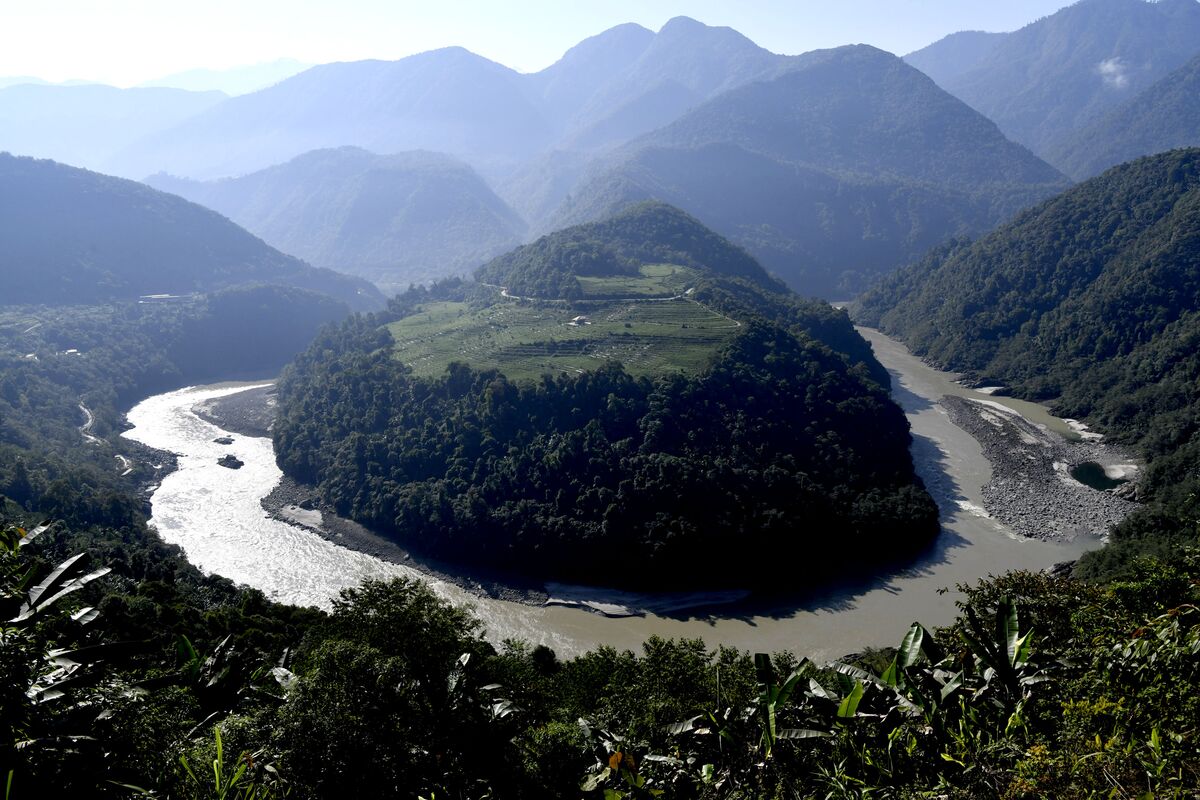
China is initiating construction on a $167 billion hydropower mega-dam in Tibet, poised to become the world's largest power plant. This ambitious project is central to Beijing's long-term energy ambitions but is drawing significant environmental and geopolitical concerns from neighboring countries.
China is embarking on a monumental infrastructure project with the construction of a $167 billion hydropower dam in Tibet, which is set to become the world's largest power plant. This initiative represents a cornerstone of Beijing's long-term energy strategy, aiming to bolster its renewable energy capacity and energy security. However, the project is fraught with significant controversy and risk, as indicated by the mixed sentiment signal. Environmental groups have raised alarms over the ecological impact on a remote and sensitive region, while the dam's strategic location has created geopolitical tensions with neighboring countries concerned about downstream water access. The project therefore encapsulates a major theme of conflict between ambitious renewable energy goals and ESG concerns, alongside a notable increase in regional geopolitical risk. The lack of specific corporate entities mentioned suggests this is a state-led venture, with implications for sectors rather than individual public companies.
AI-powered research, real-time alerts, and portfolio analytics for institutional investors.
Request DemoOverall Sentiment
mixed
Sentiment Score
0.00
