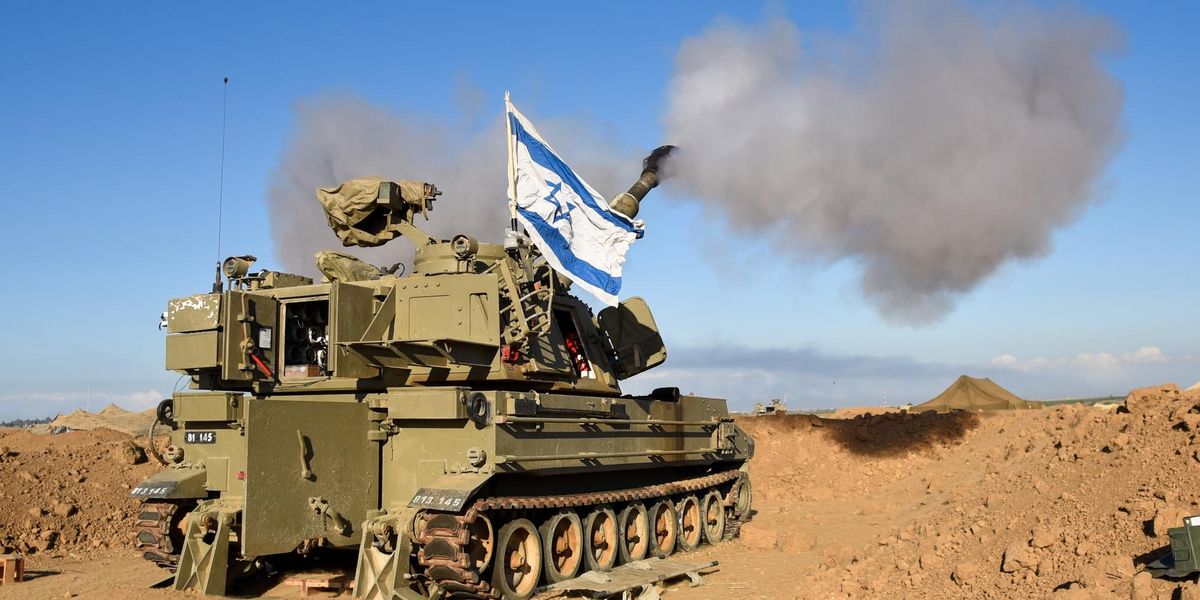
Ceasefire terms in Gaza and Lebanon are being widely violated, with Israel recorded as breaching the Gaza agreement 591 times between Oct. 10 and Dec. 2 (air/artillery/direct fire), Gaza health authorities reporting 347 killed and 889 injured in that window, and UNIFIL logging >7,500 airspace and ~2,500 ground violations in Lebanon. The Trump administration’s 20‑point Gaza plan—featuring an international supervisory body and a proposed stabilization force—faces rejection from Hamas and recruitment problems as only ~20% of expected aid trucks have entered Gaza; Israeli policy including possible long-term occupation of more than half Gaza and political dynamics around Netanyahu (pardon request, hard‑right coalition) make implementation unlikely and sustain regional instability that keeps risk premia elevated for investors.
Market structure: Geopolitical persistence favors defense primes, logistics, reconstruction suppliers and energy producers while depressing Israeli domestic consumption, tourism, and regional banks. Expect pricing power to shift +10–25% for large-cap U.S. defense names on sustained escalation risk (6–12 months) and a near-term oil risk premium of $5–$15/bbl if strikes widen or Suez/shipping lanes are threatened. FX: likely short-term ILS weakening of 3–7% vs USD on flight-to-safety; EM spreads to widen 50–150bp.
Risk assessment: Tail scenarios include regional retaliation (Iran/Hezbollah) with low-to-medium probability (15–25% over 6 months) but high impact — oil >$120, global equities -10%+, and risk-free rates compressing as safe-haven flows bid US Treasuries. Immediate window (days): volatility spikes; short-term (weeks/months): commodity and credit spread moves; long-term (quarters): reconstruction demand versus protracted occupation alters capex winners. Hidden dependency: U.S. political bandwidth and recruitment for any stabilization force — failure reduces de‑risking prospects.
Trade implications: Favor convex, named exposures: long large-cap defense (LMT, RTX, NOC, ESLT) and energy (XLE/WTI) while hedging Israeli/EM exposure via options or short EIS; hold Treasuries/Gold as liquidity hedge. Use 3‑month option hedges (VIX calls or ETF put spreads) for asymmetric downside protection; target repositioning rules tied to a 30‑day ceasefire hold or oil thresholds.
Contrarian angles: Consensus assumes permanent occupation and persistent defense tailwind; if a credible 60‑day ceasefire materializes, defense and oil re-rate lower 15–30% — that is the asymmetric risk. Look for mispricings in reconstruction suppliers (Caterpillar, CAT, construction materials) which may be under-owned early in a post‑conflict rebuild scenario and could outperform during a secured 6–18 month window.
AI-powered research, real-time alerts, and portfolio analytics for institutional investors.
Request DemoOverall Sentiment
strongly negative
Sentiment Score
-0.70
