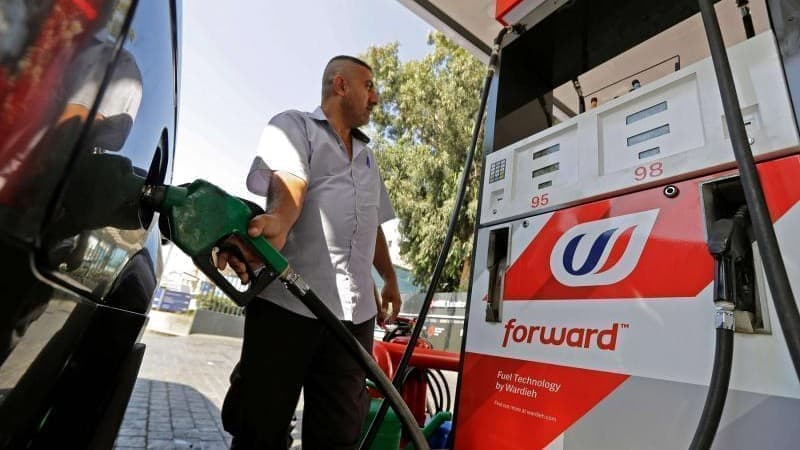
More than 11 million barrels per day of physical oil supply are reported lost (cumulative ~133 million barrels; daily losses cited at 10.7–11.5 mb/d), pushing WTI above Brent, sending European diesel futures to ~$200 and triggering fuel rationing (50 liters/day per car) in Indonesia and Slovenia. The IEA/analysts say an ~8 mb/d demand reduction would be needed to rebalance and the IEA may release up to 400 million barrels if hostilities persist; expected recovery is 3–6 months after the war ends, but prolonged shut-ins and rising prices imply broad energy-driven inflation and risk-off market conditions.
The current shock profile is shifting from an oil-price story to a refined-products and logistics crisis; that matters because diesel/gasoil tightness transmits to industrial activity faster than crude moves transmit to upstream cash flows. Expect crack spreads to outperform headline crude on a 1–3 month horizon as physical barrels are rationed and arbitrage routes lengthen, particularly across Atlantic lanes where tonne-mile increases and tanker availability distort flows.
Second-order effects concentrate in supply chains that cannot be inventory-flexible: agriculture (fertilizer + diesel), construction, regional trucking, and rail. These sectors will throttle activity well before headline GDP prints fall significantly, producing asymmetric downside in small/mid-cap industrials and EM exporters that rely on trucked commodity logistics; look for 10–25% earnings hit potential over 2–4 quarters under prolonged rationing.
Tail risks are binary and clustered in time: rapid de-escalation or coordinated large SPR/strategic releases can compress spreads within weeks; a protracted conflict that extends shut-ins will propagate 6–12 month damage including permanent capex delays in restart-prone fields. Watch tradeable triggers — tanker AIS reroutes, cross-Atlantic ULSD loadings, and European refinery yields — as leading indicators that will signal whether cracks widen or mean-revert.
Consensus underestimates basis risk and the value of freight optionality; many investors treat crude and product curves interchangeably, which is wrong here. Positions that isolate refining margins and shipping/timing optionality (storage, time spreads) give asymmetric payoff versus naked crude longs which are exposed to swift policy reversals.
AI-powered research, real-time alerts, and portfolio analytics for institutional investors.
Request DemoOverall Sentiment
strongly negative
Sentiment Score
-0.75
