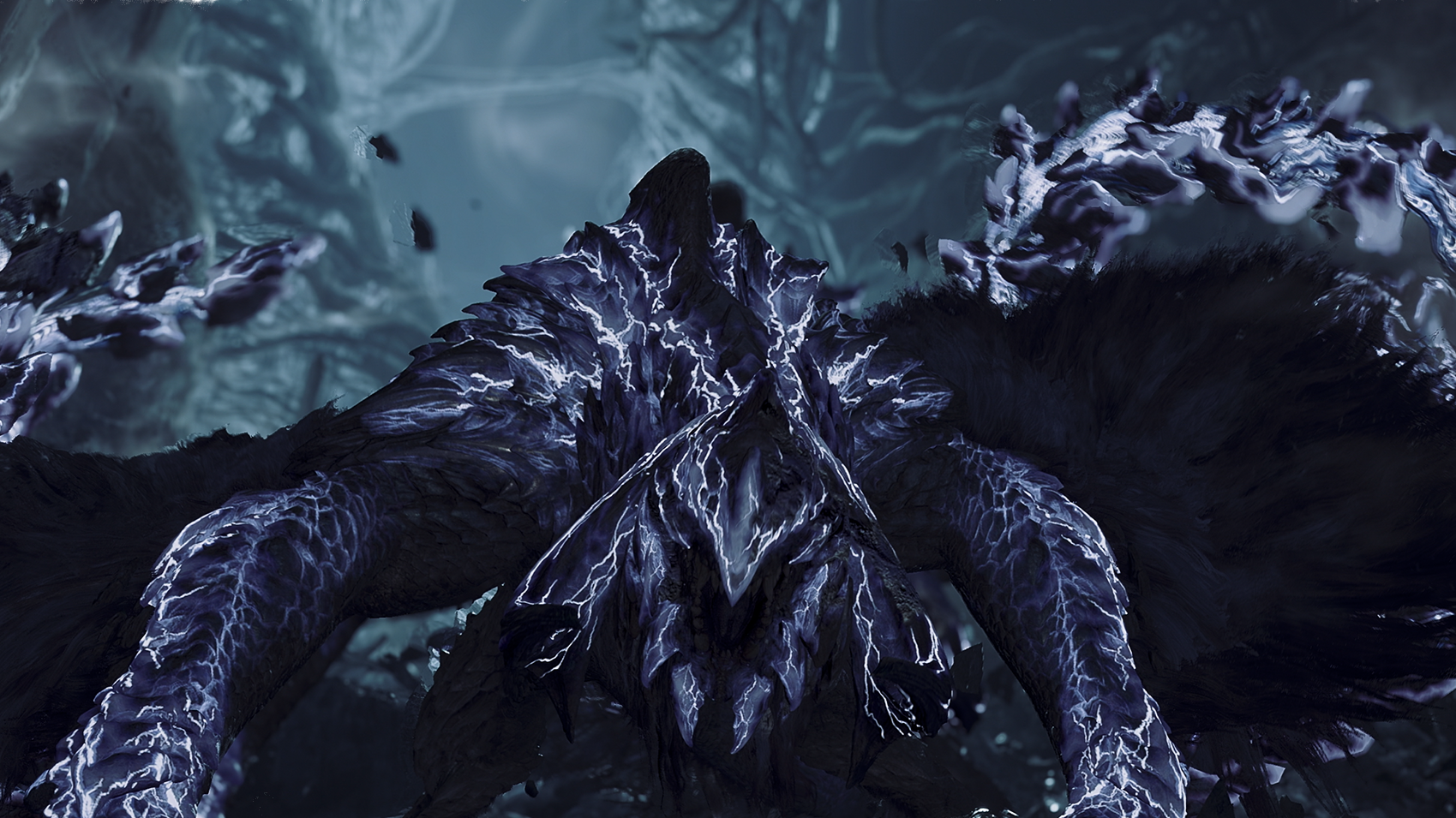
Capcom producer Ryozo Tsujimoto announced a large-scale expansion for Monster Hunter Wilds—described as comparable to Iceborne and Sunbreak—with more details promised this summer, while the forthcoming 1.041 update will serve as the standalone game's last major content patch. The developer outlined an anniversary event running Feb. 18–Mar. 19 featuring a new 10‑star difficulty, returning seasonal content and a Monster Hunter Stories 3 tie-in quest, and said the 1.041 rollout will include CPU/GPU optimizations, selectable LOD levels and memory-related improvements. No financial metrics were disclosed, but the roadmap signals continued post-launch engagement efforts that could support user retention ahead of the paid expansion.
Market structure: Capcom (developer/publisher) and platform holders (Sony/Steam/PC GPU vendors) are the direct beneficiaries — a large-scale expansion historically extends franchise monetization windows by ~6–18 months and can add 5–15% incremental annual bookings if well received (Iceborne/Sunbreak analogs). Mid-tier studios without marquee live-service follow‑ups are the implicit losers as player attention re‑allocates. Pricing power for Capcom’s IP increases (DLC pricing, cosmetics, seasonal rotations) while competitor discounting/marketing spend will likely rise to defend share.
Risk assessment: Immediate market moves should be small; the real binary is the summer reveal (short-term weeks/months) and post‑launch monetization (long-term quarters). Tail risks: expansion delay, technical regression (poor performance despite optimizations), or regulatory scrutiny on in‑game monetization could wipe 10–30% of upside in a worst case. Hidden dependencies include hardware attach rates, PC performance fixes (1.041), and cross‑promotion timing with Monster Hunter Stories 3 which materially affect retention.
Trade implications: Direct long exposure to Capcom (9697.T / OTC:CAPMF) ahead of the summer reveal is a high-expected-value play; options allow asymmetric upside capture around the reveal. Pair trades (long Capcom, short weaker live-service peer) can neutralize beta. Macro cross‑asset impact is minimal; expect only modest FX flows (JPY bid on positive Capcom print) and negligible bond/commodity effects.
Contrarian angle: Consensus may underweight the expansion’s lifetime value because the base game is winding down; historically Iceborne and Sunbreak produced multi‑quarter tails — if Wilds mirrors even half that performance, market will underreact. The crowd could be too focused on immediate patch fixes (1.041) and miss the larger monetization re‑acceleration starting at the summer reveal. Unintended consequence: a massive expansion could compress calendar for other Capcom releases, tempering FY timing but not net value.
AI-powered research, real-time alerts, and portfolio analytics for institutional investors.
Request DemoOverall Sentiment
mildly positive
Sentiment Score
0.25
