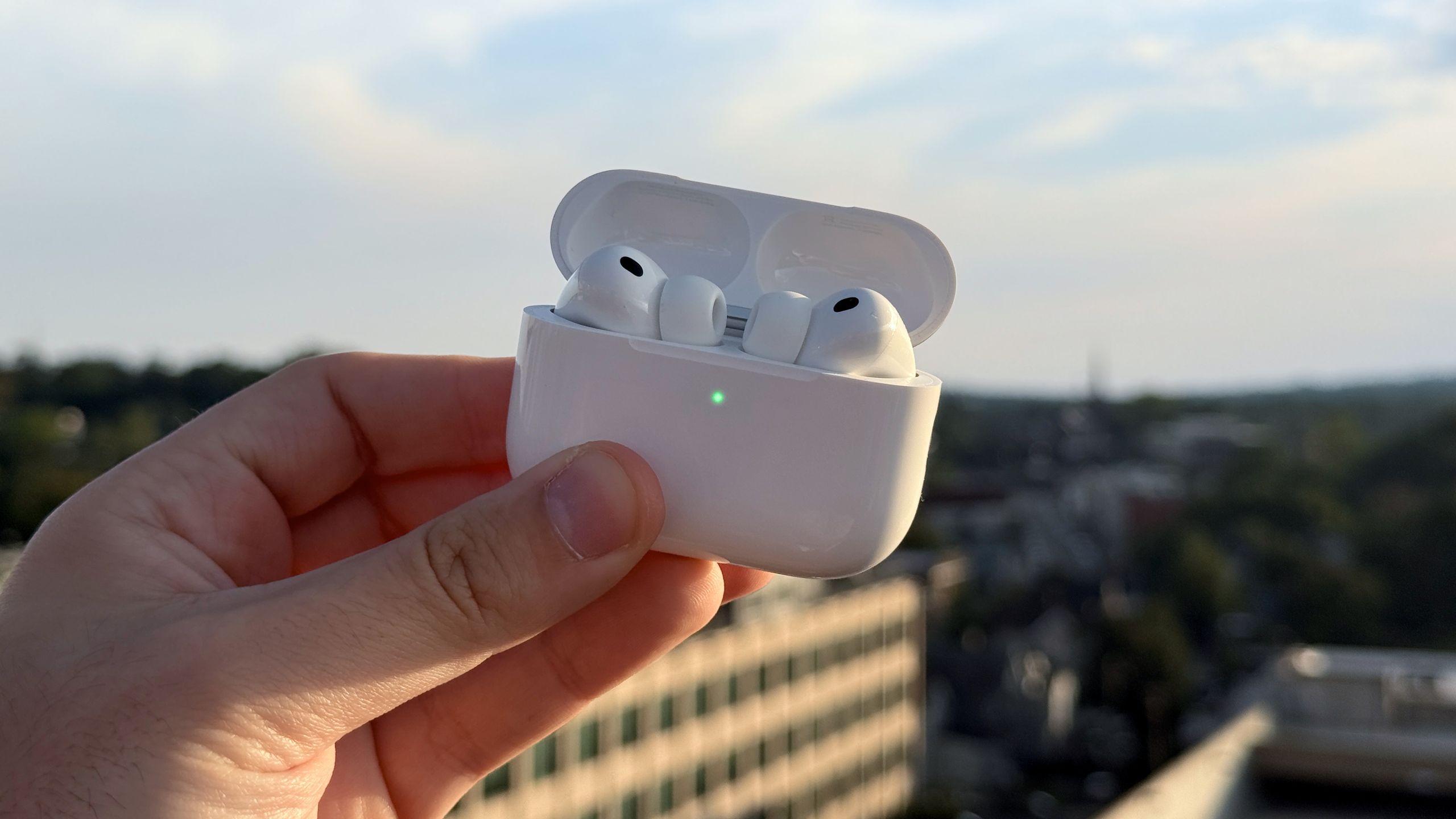
Apple's recently launched AirPods Pro 3 (released September) have widespread user reports of static and crackling when Active Noise Cancellation is enabled — including when no audio is playing — and some users report playback latency and sync issues. Apple issued firmware updates (8B25 in November and 8B30 on Dec. 10) but the problem persists across multiple replacement units, leaving unresolved product-quality and customer-satisfaction risks that could weigh on brand perception and consumer demand for the product line.
Market structure: This is a concentrated, reputational hit to Apple’s premium earbuds franchise and the Wearables, Home & Accessories cohort; near-term winners are Sony (SONY) and other premium headphone makers that can capture defected upgraders, while retailers (BBY) could see higher return traffic. Expect a 5–15% QoQ sell-through hit among upgrade-minded buyers for the AirPods Pro 3 over the next 4–12 weeks and modest margin pressure from increased replacements/warranty claims, but not an existential revenue shock to Apple absent a recall.
Risk assessment: Tail risks include a large-scale recall or class action costing $100M–$1B and regulatory scrutiny in the EU/US if Apple is seen as non-responsive; probability low but impact material to quarterly EPS. Immediate noise will drive sentiment and implied volatility (days–weeks); durable brand erosion would materialize over 1–2 quarters if unresolved. Key hidden dependency: elevated returns reduce accessory/component demand (audio codecs, MEMS mics), and social-review momentum can change install-base upgrade curves quickly.
Trade implications: Tactical trades should hedge AAPL while selectively playing audio competitors — e.g., small AAPL downside hedges (short-dated put spreads) and modest long positions in SONY to capture share reallocation over 1–3 months. Options volatility will spike on social media cycles; use defined-risk structures (bear put spreads, call spreads) rather than naked directional bets. Rotate 1–3% from pure hardware exposure toward software/services winners (MSFT) if hit persists through the next earnings cycle.
Contrarian angle: The market tends to overreact to firmware-handleable hardware issues; Apple historically patches headphone defects within 30–90 days, so a full retracement is likely if Apple issues a fix. If implied volatility inflates >30% vs 30‑day historical, that creates a buy-the-dip setup in AAPL; conversely, over-hedging before a fix can be costly. Historical parallels (AirPods firmware fixes) suggest limited long-term share loss but short-term alpha for nimble volatility/relative trades.
AI-powered research, real-time alerts, and portfolio analytics for institutional investors.
Request DemoOverall Sentiment
moderately negative
Sentiment Score
-0.40
Ticker Sentiment
