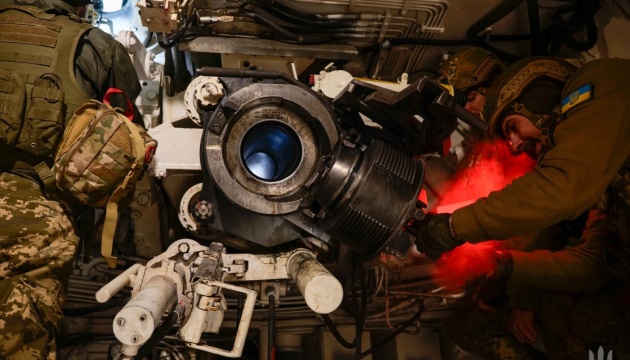
Ukraine’s General Staff confirmed strikes on Russia’s 100th GRAU long-term ammunition storage near Neya (Kostroma) and the Gerkon Plus oil depot in Lipetsk, with fires and evacuations reported and damage assessments ongoing. Ukrainian forces also reported hits on drone control points in Pokrovsk, Valetovka and Grayvoron, destruction of a 9S32 S-300V radar near Novoyanisol, and a personnel cluster strike near Staroselye; the strikes are described as aimed at degrading Russian ammunition supply chains and offensive capabilities. Market implications are primarily regional—potential short-term upside pressure on energy and commodity prices and heightened risk premia for Russian assets—while the degree of physical damage and onward supply disruption remains to be quantified.
Market structure: Immediate winners are defense contractors and tactical ISR suppliers (US primes such as LMT/RTX/NOC) and short-dated oil/refined-products traders; losers are Russian logistical hubs, regional fuel distributors in western Russia, and insurance/re-insurance carriers for Black Sea & Russia-related shipments. Pricing power shifts incrementally to energy producers and Western defense primes—expect 1–3% upward pressure on Brent in the next 7–30 days if strikes continue, and localized diesel/gasoil spreads to widen by $2–5/bbl regionally.
Risk assessment: Tail risks include a broader escalation (NATO entanglement, major pipeline sabotage) that could lift Brent >$15–25/bbl and trigger global risk-off; lower-probability counterparty/legal risks include secondary sanctions on counterparties, squeezing liquidity in Russian-exposed assets. Time horizons: immediate (days) = volatility spikes; short-term (weeks–months) = gradual re-rating of defense and energy; long-term (quarters) = persistent higher defense capex and supply-chain reconfiguration if strikes recur.
Trade implications: Tactical trades favor 1–3% overweight in defense equities and 1% tactical energy directional via Brent call spreads (30–90 day expiries); hedge via long-dated put protection on cyclicals sensitive to higher oil (airlines, cruise). Cross-asset: expect modest safe-haven bid in US Treasuries and USD, and RUB weakness >3% intraday as a trigger for FX positions. Entry: tranche over 7–21 days; exit rules: take profits if Brent +10% or defense names +15%.
Contrarian angles: Consensus likely overestimates persistent global oil shock—histor precedents (2019 tanker incidents, 2022 episodic strikes) show spikes often mean-revert within 4–12 weeks absent chokepoint damage. Defense multiples are already elevated; prefer playing backlog and cash-flow winners (LMT) vs high-multiple smaller names. Unintended consequence: harsher Western sanctions or insurance blacklists could abruptly widen freight spreads and re-price energy/insurance equities beyond a simple defense/energy trade.
AI-powered research, real-time alerts, and portfolio analytics for institutional investors.
Request DemoOverall Sentiment
moderately negative
Sentiment Score
-0.35
