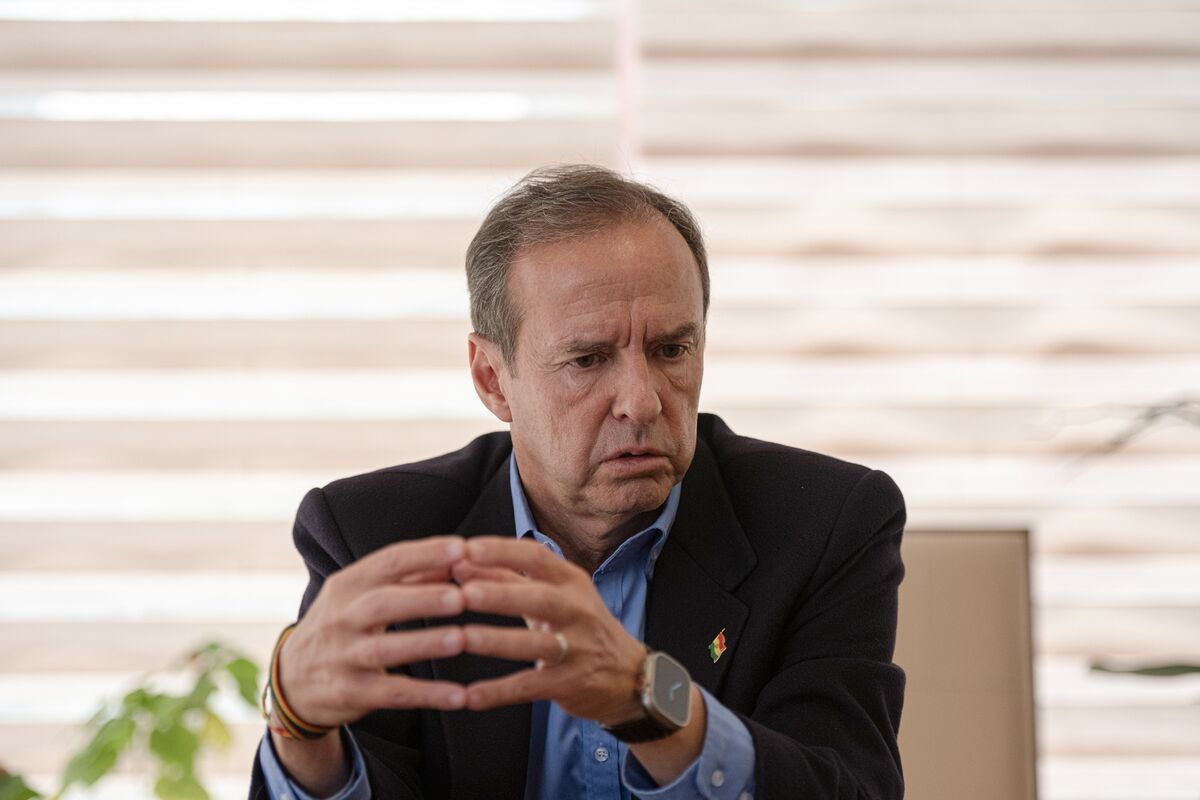
Bolivian presidential candidate Jorge “Tuto” Quiroga, who placed second in the recent first-round vote, intends to renegotiate the nation's $14 billion overseas debt if elected. He aims to secure better terms to stabilize Bolivia's economy, which is currently struggling with shortages and high inflation, viewing this as crucial for restoring confidence in the country.
A potential shift in Bolivia's fiscal policy is emerging, contingent on the country's presidential election outcome. Candidate Jorge “Tuto” Quiroga, who placed second in the first-round vote, has declared his intention to renegotiate the nation's $14 billion in external debt. He frames this move as essential for stabilizing an economy beset by shortages and high inflation, labeling the current obligations as "expensive and corrupt." This development introduces significant uncertainty for holders of Bolivian sovereign debt. While the stated goal is to restore confidence and achieve better terms, the process of renegotiation itself carries inherent risks, including the potential for a contentious restructuring that could negatively impact creditors. The mildly positive sentiment signal suggests that the market may perceive a potential move away from the current socialist party's policies as a net benefit, despite the immediate risks associated with debt talks. The situation hinges entirely on the election, making it a critical catalyst for the future valuation of Bolivia's sovereign credit.
AI-powered research, real-time alerts, and portfolio analytics for institutional investors.
Request DemoOverall Sentiment
mildly positive
Sentiment Score
0.30
