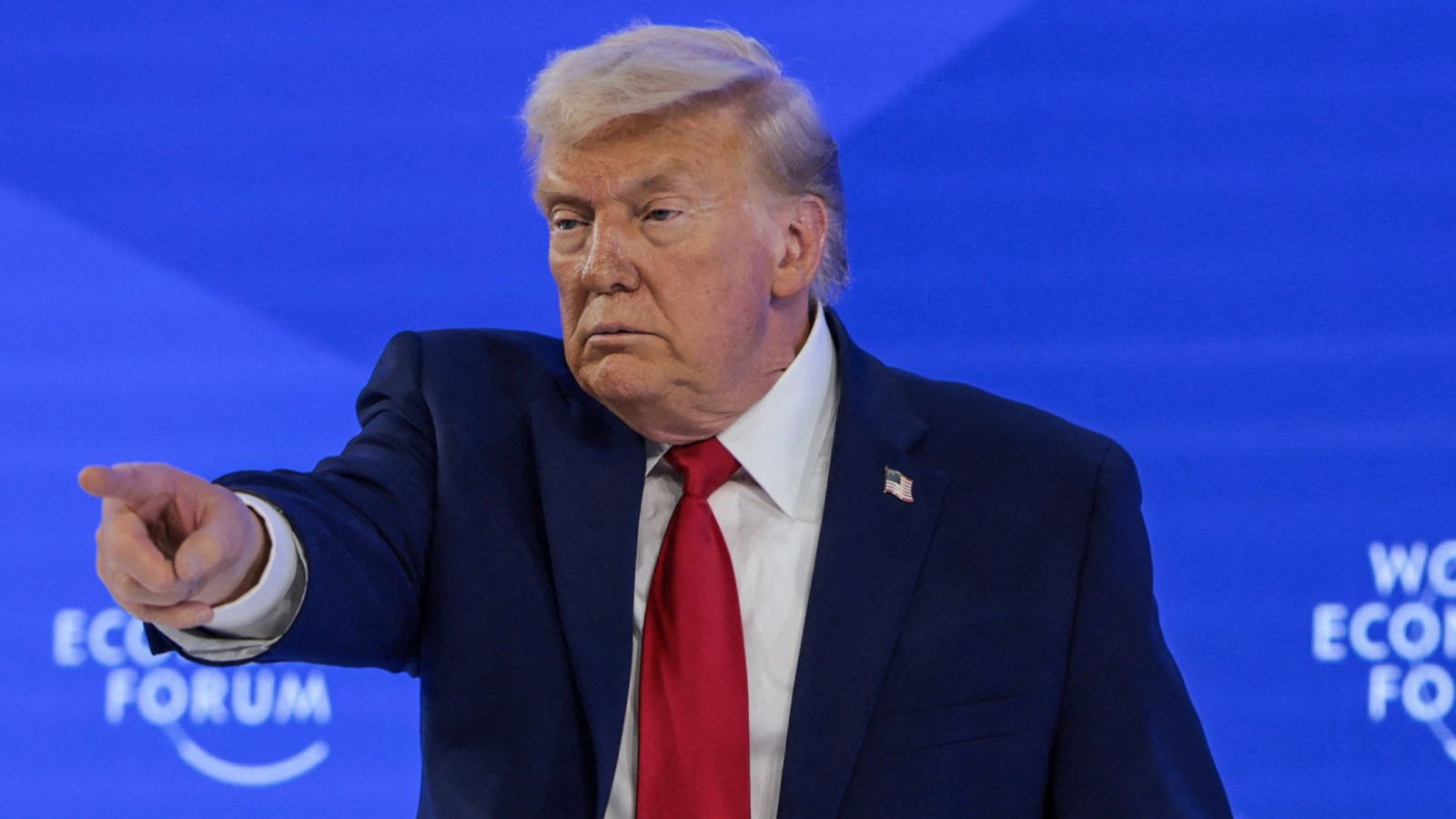
The Trump administration has expanded a proposed Gaza oversight body into a broader "Board of Peace," inviting roughly 60 nations (about 35 have agreed) to join, with an option for permanent membership reportedly costing $1 billion each. President Trump would serve as inaugural chairman with sweeping executive powers under the charter, and a founding executive board includes Marco Rubio, Jared Kushner, Steve Witkoff and Tony Blair; the UN Security Council has authorised a temporary International Stabilisation Force and a plan for 15 Palestinian leaders to govern Gaza reporting to the board. The initiative has prompted resistance from several European states and raised concerns about supplanting UN functions and inviting authoritarian leaders, creating geopolitical uncertainty rather than immediate market-moving economic effects.
Market structure: The Board of Peace announcement is a clear positive shock to US defense, security services, and large reconstruction-capable contractors while creating headwinds for multilateral institutions and sectors dependent on stable diplomatic coordination (airlines, UN-funded NGOs). The $1bn-per-permanent-member signal (60 invites ≈ $60bn potential) implies concentrated near-term financing for reconstruction/logistics and greater pricing power for US incumbents (Lockheed, Raytheon, large EPCs) over smaller local suppliers.
Risk assessment: Near-term (days–weeks) expect risk-off volatility: FX safe-havens and gold bid on headline uncertainty; short-term (3–9 months) risk centers on contract timing, Congressional funding approval, and legal/UN pushback; long-term (1–3 years) structural fragmentation of multilateral procurement could reroute ~$10–50bn/year in contracts. Tail risks: diplomatic backlash, reciprocal sanctions, or a ceasefire collapse that spikes oil +150–300bps and forces payment delays to contractors.
Trade implications: Favor overweight US defense contractors and select global EPC/heavy-equipment names; hedge macro exposure with gold/long-duration Treasuries on volatility spikes. Use options to buy limited-risk exposure (9–15 month call spreads) into defense names and set explicit trimming rules tied to contract announcements or a 15–25% price move.
Contrarian angles: Consensus focuses on ‘big wins’ for US defense but underestimates execution/friction risk: membership fees, UN legal challenges, and allied refusals can delay multibillion-dollar programs 6–18 months, creating mispricings in European engineering/defense names. Historical parallel: 2003 Iraq reconstruction boosted US contractors but delivered slow receipts and large reputational/credit risk — trade the delay, not the announcement.
AI-powered research, real-time alerts, and portfolio analytics for institutional investors.
Request DemoOverall Sentiment
moderately negative
Sentiment Score
-0.25
