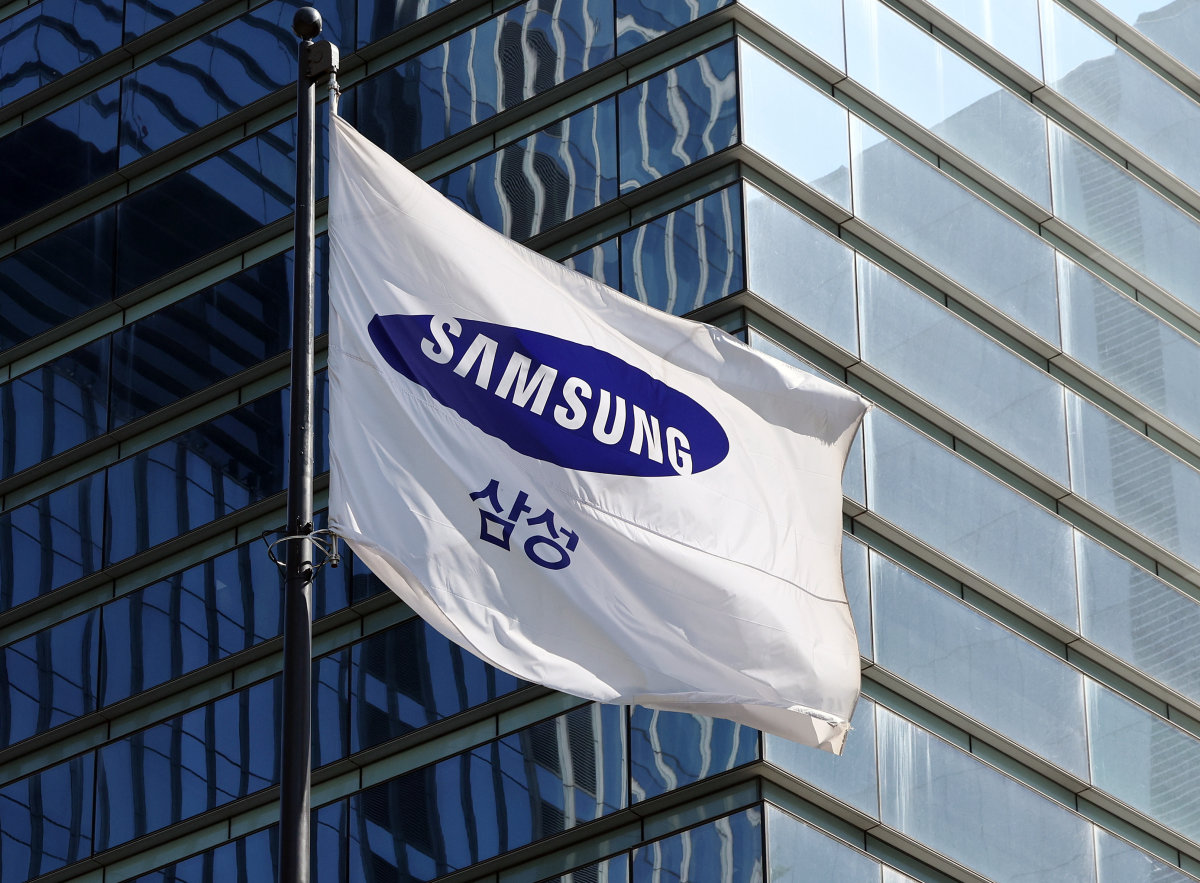
Samsung family heirs have fully paid about 12 trillion won in inheritance taxes on Lee Kun-hee’s estate, the largest such payment in South Korea’s history, settled over five years in six installments. The heirs funded the bill through share sales, dividends, bank loans and asset monetization; Lee Jae-yong increased his stakes to 1.67% in Samsung Electronics and 22.01% in Samsung C&T while avoiding core share sales. The payment is largely a governance and public-perception story, with limited direct market impact beyond Samsung’s capital structure and succession optics.
The market-relevant signal is not the tax payment itself, but the way it hardens Samsung’s capital structure and governance over the next 12-24 months. By avoiding meaningful core-share sales, Lee preserves control while effectively converting a family liquidity event into a clean balance-sheet-neutral outcome for the operating entities; that reduces the probability of a forced-holdings overhang that often depresses valuation multiples in chaebol structures. The second-order winner is Samsung’s governance discount: a cleaner succession path and visible tax compliance can narrow the holdco/operating-company discount even if it does not change near-term earnings. The loser is any near-term expectation for large incremental family share sales to fund taxes; that supply has now largely cleared, which removes a latent overhang on Samsung Electronics, SDS, and C&T. In practice, this is modestly supportive for Samsung Electronics relative to Korean large-cap peers because the stock no longer faces intermittent block-trade risk from estate financing, while the family’s rising C&T stake improves the probability that group strategy remains internally coordinated. For minority holders, that coordination is a double-edged sword: it can support strategic investments, but it also reduces the odds of aggressive capital returns if management prioritizes control preservation. Contrarian angle: the consensus may overestimate the reputational tailwind and underestimate the control premium embedded in the family’s growing economic stake. A stronger controlling position can keep capital allocation disciplined, but it can also slow any market-friendly simplification, spin-off, or M&A that would crystallize value. The biggest catalyst to watch is not the tax story but whether Samsung uses this completed chapter to pivot toward higher buybacks or special dividends over the next 2-4 quarters; absent that, the valuation benefit may fade quickly. On the macro side, the sheer scale of the tax payment is a political proof-point for Korea’s fiscal capacity, but it does not meaningfully improve household consumption or bank liquidity. The main real-economy effect is symbolic: it may reduce policy pressure for punitive succession-tax reform, which would otherwise have been a tail risk for conglomerate governance across Korea over the next 1-3 years.
AI-powered research, real-time alerts, and portfolio analytics for institutional investors.
Request DemoOverall Sentiment
neutral
Sentiment Score
0.08
