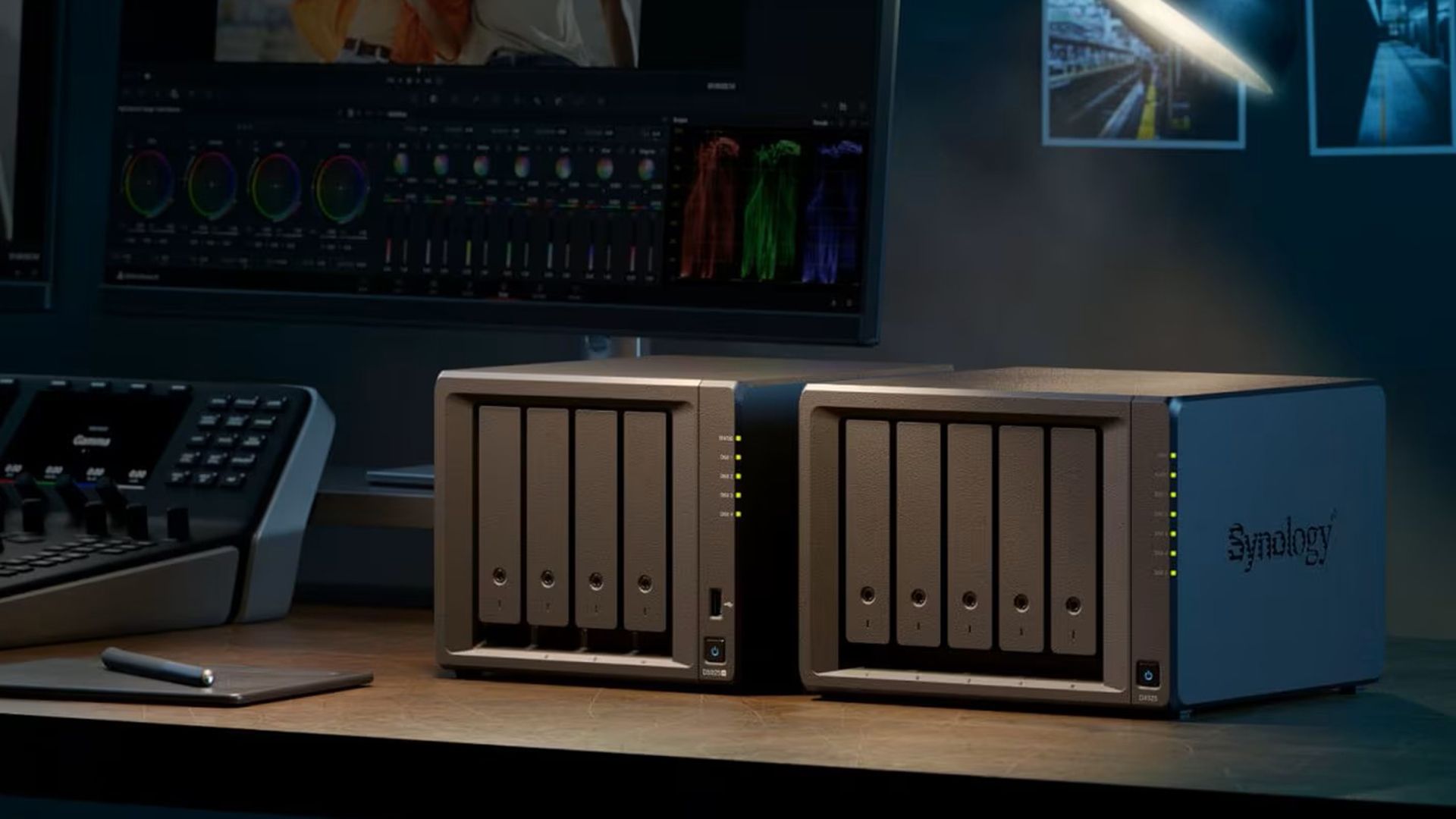
Synology has reversed its controversial policy restricting the use of third-party hard drives and SSDs on its 2025 Plus series NAS units, restoring full functionality for non-Synology branded drives with the DiskStation Manager 7.3 update. The previous mandate, which required Synology-certified drives for core features like storage pools and health monitoring, had prompted significant community backlash. This policy shift now allows users to leverage drives from manufacturers such as Western Digital and Seagate without feature limitations, aligning newer NAS models with prior compatibility standards and addressing market concerns regarding vendor lock-in.
Synology walks back controversial compatibility policy for 2025 NAS units — third-party HDD and SSD support returns with DiskStation Manager 7.3 update The company has removed restrictions on third-party drives Synology has backtracked on its controversial self-branded drives-only policy, restoring the ability to use third-party and certified HDDs and SSDs on its 2025 Plus series NAS units. With the launch of its latest DiskStation Manager 7.3, users can once again use 3.5-inch hard drives and 2.5-inch SATA SSDs from brands like Western Digital and Seagate, without losing out on crucial features. Earlier this year, the company had restricted core functionality for third-party and non-certified drives, including support for storage pools, health monitoring, deduplication, and firmware updates. The company made Synology-branded and Synology-certified drives compulsory, claiming that users of the Plus series NAS models would benefit from higher performance, increased reliability, and more efficient support. In a way, the company forced users to rely solely on Synology-branded disks to unlock full capabilities. This reportedly resulted in community backlash, which eventually allowed rival brands to take advantage and promote their own hardware as more open and flexible alternatives. For context, Synology does not manufacture its own hard drives. Instead, the company uses rebranded drives from popular vendors such as Seagate, Toshiba, or Western Digital, and applies a custom firmware. This firmware effectively acts as a form of digital rights management (DRM), which ensures that only these specific drives can access the NAS system’s full range of features and performance options. With the latest update, Synology has restored some crucial features and aligned newer NAS models, including the DiskStation DS925+ and DiskStation DS1525,+ closer to how its NAS systems worked before introducing the policy. The company is also said to be working with major drive manufacturers to broaden the range of officially certified storage options. Notably, the change does not apply to M.2 storage drives, meaning that creating storage pools still requires drives from the official Hardware Compatibility List. Apart from restoring third-party drive support, Synology’s DiskStation Manager 7.3 introduces important upgrades focusing on performance, security, and flexibility. According to the official release notes, users will get access to intelligent data tiering for better storage efficiency, new security indicators for improved threat detection, support for native exFAT for external devices, email moderation for MailPlus, and enhanced collaboration tools like shared labels and advanced file locking in Synology Drive. The update also adds AI integration through the Synology AI Console with data masking and filtering. Follow Tom's Hardware on Google News, or add us as a preferred source, to get our up-to-date news, analysis, and reviews in your feeds. Make sure to click the Follow button! Get Tom's Hardware's best news and in-depth reviews, straight to your inbox. Kunal Khullar is a contributing writer at Tom’s Hardware. He is a long time technology journalist and reviewer specializing in PC components and peripherals, and welcomes any and every question around building a PC. - DS426 Reply I guess so, lol!bituser said:Did they get confused and think they were Dell, or something? Glad to hear they walked it back. - Mindstab Thrull I think the smarter move would be that instead of only allowing your own products to be used, you get a benefit if you do use them - a service at a discounted price, a nice-to-have-but-not-necessary bonus feature, or the like. Something to thank a customer for choosing your version rather than someone else's. Basically, applying a carrot rather than a stick.Reply Mindstab Thrull Nomming ur sanities since 1864 BSE (before the Sarpadian Empires) - Notton Synology in the finding out phase.Reply It's like they thought their only competition was QNAP, and never realized Asustor, Terramaster, and UGreen existed. Synology has reversed its contentious policy of mandatory Synology-branded drives for its 2025 Plus series NAS units, reinstating support for third-party HDDs and SSDs with the DiskStation Manager 7.3 update. This policy previously restricted crucial features like storage pools and health monitoring for non-certified drives, leading to significant community backlash and potential competitive disadvantages. The move now allows users to fully utilize drives from major vendors such as Western Digital (WDC) and Seagate (STX), aligning newer NAS models (e.g., DS925+, DS1525+) with prior compatibility standards. The decision, driven by user resistance to vendor lock-in, reflects Synology's response to market pressure and the competitive landscape, where rivals offered more open alternatives. While Synology itself rebrands drives from companies like WDC and STX, the previous DRM-like firmware created an artificial barrier to full functionality. The return to broader compatibility is likely to enhance customer satisfaction and potentially mitigate brand erosion, albeit with a low market impact score of 0.2, indicating limited broader financial market movement. Beyond compatibility, DSM 7.3 introduces several functional enhancements, including intelligent data tiering, new security features, enhanced collaboration tools, and AI integration via the Synology AI Console. However, it is crucial to note that the renewed third-party support does not extend to M.2 storage drives, which still require official Hardware Compatibility List drives for storage pools. This indicates a selective approach to compatibility across different storage media.
AI-powered research, real-time alerts, and portfolio analytics for institutional investors.
Request DemoOverall Sentiment
moderately positive
Sentiment Score
0.50
Ticker Sentiment
