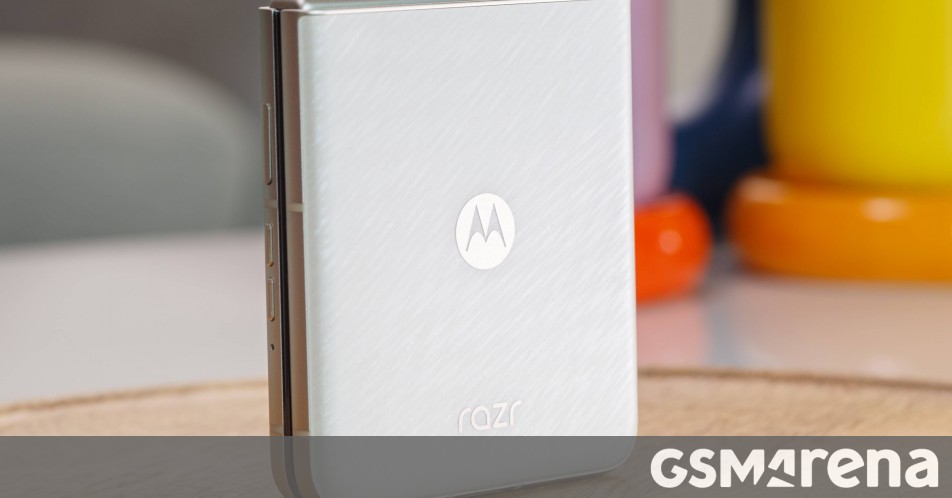
Motorola has begun rolling out Android 16 to its Razr 2025 (Razr 60) and Razr Ultra 2025 (Razr 60 Ultra) handsets in the U.S. for T‑Mobile and Verizon customers, with Verizon build numbers W1UC36H.96-35-1 (Razr) and W1VL36H.59-55-5 (Razr Ultra). The update is roughly 4GB, being distributed in stages, and arrives weeks after Google released the first Android 17 beta and well after Android 16’s initial release in June 2024. This is a product/firmware milestone for Motorola device support but is unlikely to have material financial impact on the company or broader markets.
Market structure: The Motorola Android 16 rollout is a marginal product-quality win for Android OEMs and carriers (T-Mobile/Verizon) rather than a demand shock; it slightly reduces churn risk for midcycle Razr owners and modestly supports aftermarket device valuations. Google (GOOGL/GOOG) benefits indirectly via platform stickiness — estimate impact on monthly active user engagement and Play Store spend at <0.5% of quarterly revenue, so equity-level impact is small but positive in sentiment over 1–3 months.
Risk assessment: Tail risks include a regulatory antitrust escalation on Android bundling or a high-profile buggy OTA that sparks recalls; probability low but impact material to ad/OSS revenue if Google is forced to change distribution (impact >5% EPS). Short-term (days–weeks) volatility is driven by Android 17 beta headlines; medium term (1–3 quarters) by carrier/OEM relationships and long-term (>1 year) by platform monetization and regulatory actions.
Trade implications: Primary tradable is GOOGL exposure to capture positive platform narrative — prefer limited equity weight (1–2%) or defined-cost option structures. Expect implied vols to remain muted; use debit call spreads to limit capital at risk. Avoid directional bets on handset OEMs absent clearer sales data; software updates are insufficient catalyst for hardware revenue moves.
Contrarian angles: Consensus underestimates fragmentation risk: carrier-specific delayed OTAs may depress brand loyalty for foldables and accelerate replacements to Samsung/Pixel, pressuring low-margin OEMs. If Android 17 beta receives strong developer/consumer uptake within 30–60 days, re-rate upside for GOOGL could be front-loaded; conversely, a buggy Android 17/OTA could create a 3–6% negative reprice in short term.
AI-powered research, real-time alerts, and portfolio analytics for institutional investors.
Request DemoOverall Sentiment
neutral
Sentiment Score
0.00
Ticker Sentiment
