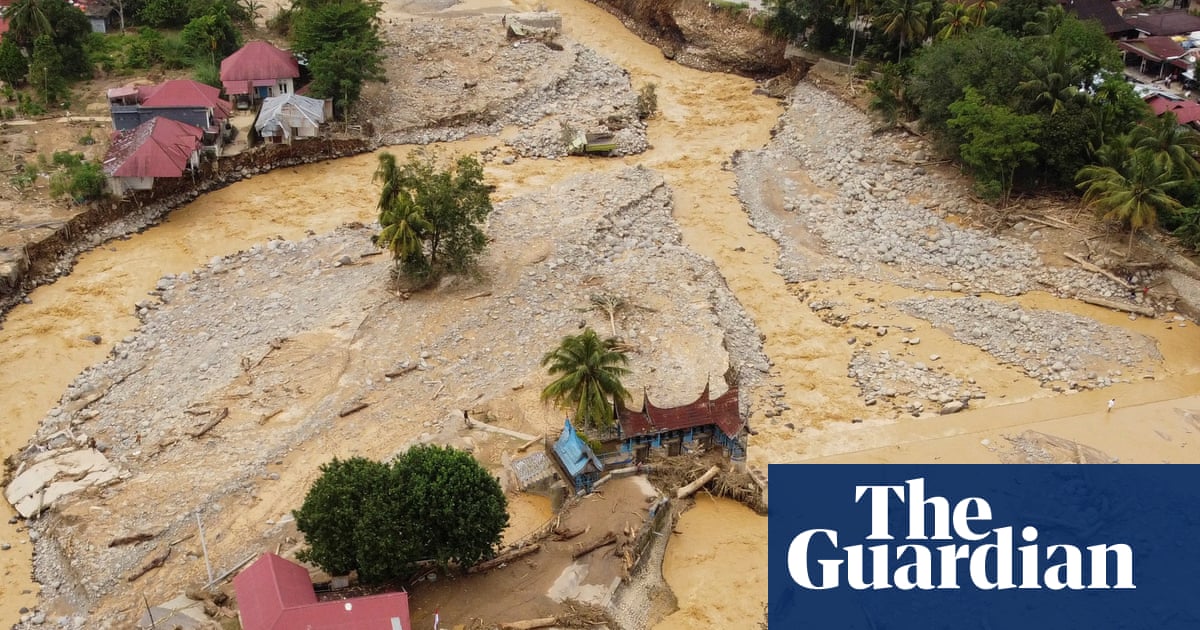
Severe flooding and tropical-storm related rains across Sri Lanka, Indonesia, Thailand and Malaysia have killed more than 1,100 people and disrupted infrastructure, with Indonesia reporting at least 604 deaths and 464 missing, Sri Lanka 366 dead and 366 missing, Thailand 176 dead and Malaysia 3 dead. Sri Lanka declared a state of emergency and evacuated about 148,000 people; military assets, warships, hospital ships and aircraft have been deployed to deliver aid amid blocked roads, collapsed bridges and communications outages, while more than 1,000 schools in Sumatra were damaged or closed. The disaster threatens agricultural production, local transport and recovery costs, forcing governments to mobilize fiscal support and emergency services and raising potential insurance and reconstruction expenditures, with officials and observers noting climate change has intensified storm severity.
Market-structure: Flooding in Sri Lanka, Sumatra and southern Thailand creates immediate winners in construction, heavy equipment, logistics and reinsurance. Expect reconstruction-driven demand to boost heavy-equipment OEMs (CAT) and regional cement/steel producers for 3–12 months; agricultural output (palm oil, rubber, rice) in Sumatra/Sri Lanka could drop 2–6% over the next 1–3 months, tightening nearby commodity markets and lifting short-term prices.
Risk assessment: Near-term (days–weeks) operational disruption (ports/roads) will pressure regional equities and FX—Sri Lankan rupee likely to weaken >10% absent swift international aid, Indonesian rupiah vulnerable but more resilient given government response. Tail risks: protracted humanitarian crisis triggers sovereign default/ratings actions (Sri Lanka) or sustained reinsurance rate jumps; supply-chain secondary effects (fertilizer shipments, palm oil exports) can propagate into global agri markets over quarters.
Trade implications: Favored assets are reinsurance names and heavy equipment for 3–12 months, and short Sri Lanka sovereign exposure via CDS or bond shorts for 6–12 months until IMF/aid clarity; buy protection (puts) on Indonesia regional ETFs (EIDO) for 1–3 months to hedge event volatility. Logistics carriers with Asian exposure face short-term volume disruption; selectively trim consumer discretionary/tourism exposure in Thailand/Sri Lanka for 3–6 months.
Contrarian angles: Consensus will underprice reconstruction demand and overprice sovereign collapse if large-scale aid flows materialize — a binary within 30–90 days. If aid commitments >$1–2bn arrive, LKR/CEY bonds could snap back 20–40%; conversely, lack of aid will crystallize losses and force higher reinsurance pricing beyond 12 months.
AI-powered research, real-time alerts, and portfolio analytics for institutional investors.
Request DemoOverall Sentiment
moderately negative
Sentiment Score
-0.60
