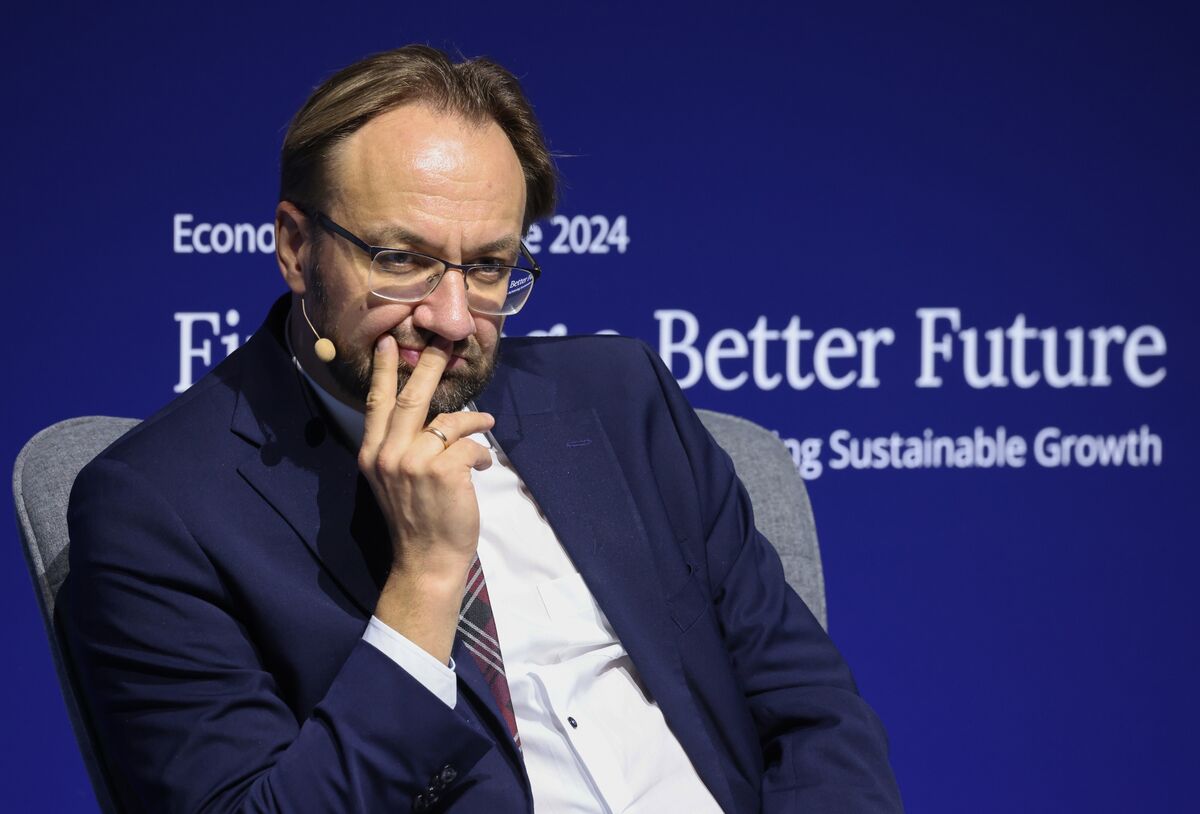
ECB Governing Council member Gediminas Simkus has advocated for an additional interest rate cut in December, asserting it is crucial to ensure inflation sustainably reaches the 2% target and to prevent economic growth disappointment. The Lithuanian central-bank head warned that without such a move, consumer-price gains risk falling short of the target, while dismissing concerns of an inflation overshoot. This statement signals a dovish sentiment within the central bank, potentially influencing market expectations for future monetary policy.
A dovish signal has emerged from the European Central Bank, with Governing Council member Gediminas Simkus advocating for an additional interest rate cut in December. The core of his argument is pre-emptive: he posits that such a move is necessary to prevent consumer-price gains from falling short of the 2% target and to avert a disappointment in economic growth. This perspective notably dismisses concerns of an inflationary overshoot, indicating a greater tolerance for inflation at or above target versus the risk of undershooting it. As a statement from a national central-bank head, this provides a material insight into the ECB's internal policy debate, suggesting a faction is pushing for further monetary easing to support both inflation and growth. The market impact score of 0.6 underscores that this commentary is significant enough to influence investor expectations regarding the future path of ECB monetary policy.
AI-powered research, real-time alerts, and portfolio analytics for institutional investors.
Request DemoOverall Sentiment
moderately positive
Sentiment Score
0.50
