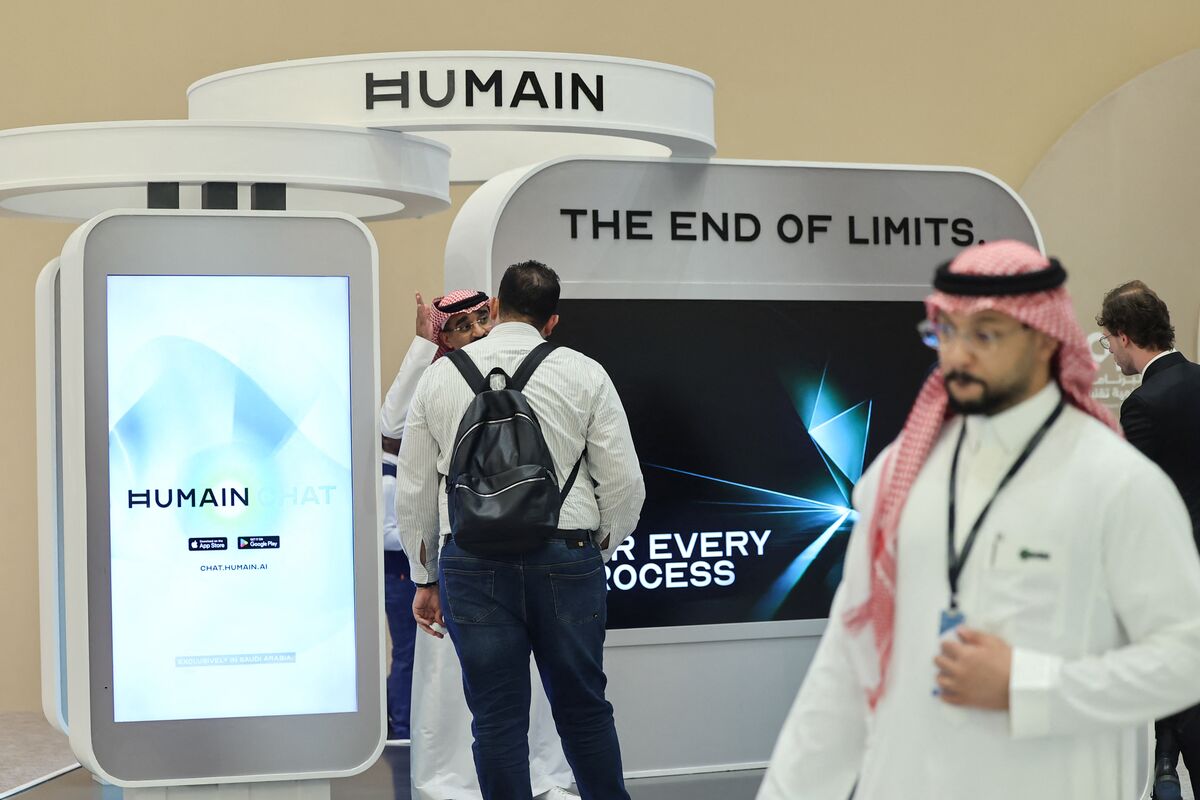
The US plans to greenlight the first sales of advanced AI chips to Saudi state-backed AI firm Humain, a diplomatic win timed with Crown Prince Mohammed bin Salman’s meeting with President Trump. The approvals are expected as part of a broader US–Riyadh AI agreement that could be finalized as soon as this week and would see Washington look favorably on a negotiated volume of AI-chip export applications for Saudi Arabia, which has required US permission for such shipments since 2023.
The U.S. government plans to approve the first sales of advanced artificial-intelligence chips to Saudi state-backed firm Humain, a decision timed with Crown Prince Mohammed bin Salman's meeting with President Trump and presented as part of a broader U.S.–Riyadh AI agreement that could be finalized as soon as this week. The article states Washington would look favorably on a negotiated volume of AI-chip export applications for Saudi Arabia, which has required U.S. permission for such shipments since 2023. This marks a potential shift in export-control policy toward selective approvals rather than blanket restrictions, creating a commercial opening for high-end hardware to enter a previously restricted market. The move is framed as diplomatic and strategic, not an unconditional relaxation: specifics on permitted volumes, end-use safeguards and licensing mechanics remain unspecified, and approvals are described as negotiated and conditional. For investors, the immediate signal is moderately positive for the AI-hardware ecosystem because it implies potential new demand, but execution and regulatory detail will drive real earnings impact and could provoke geopolitical or regulatory reprisals if perceived as compromising national-security controls.
AI-powered research, real-time alerts, and portfolio analytics for institutional investors.
Overall Sentiment
moderately positive
Sentiment Score
0.45
