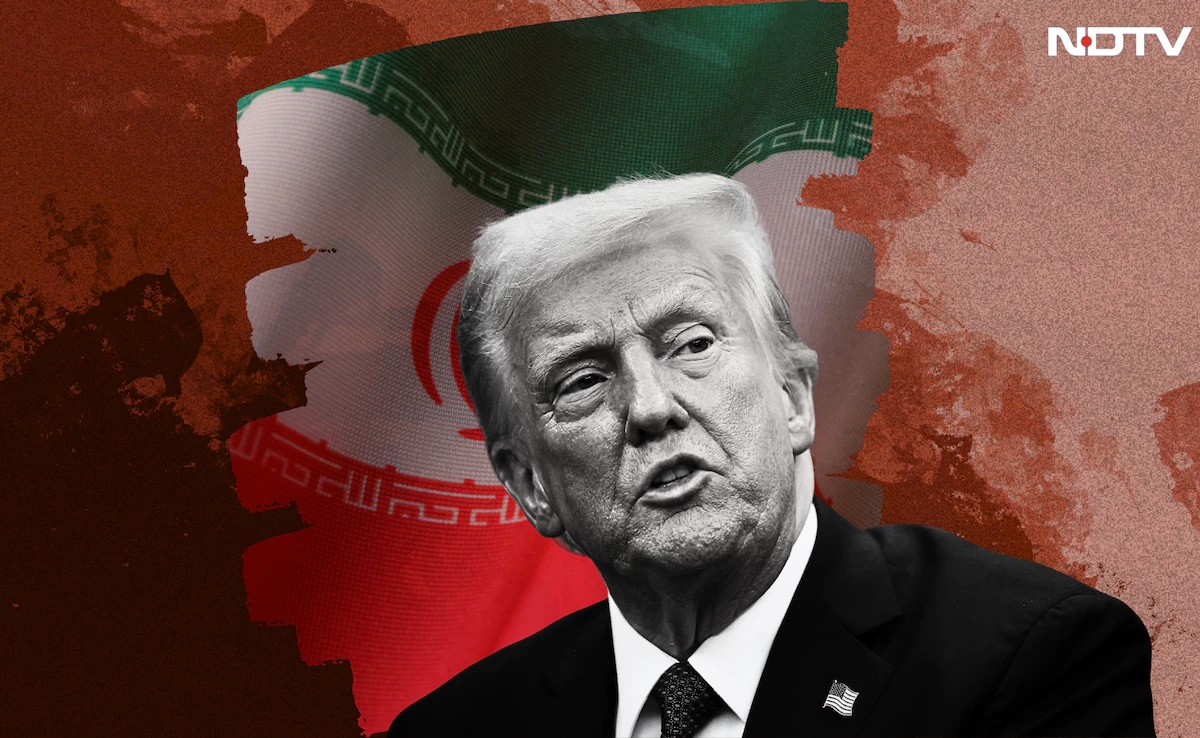
Disruption of the Strait of Hormuz is choking roughly 20% of global oil flows, triggering a surge in energy prices and a market-wide geopolitical shock. Reuters reports the US is deploying thousands of additional Marines and sailors to the Middle East while NATO allies decline to secure the strait, leaving Washington diplomatically isolated. The episode raises material commodity-driven inflation and supply risks and significant political risk for US incumbents ahead of the November midterms.
The immediate market transmission is not just higher oil headline prices but a material rise in shipping insurance and freight premia that acts like a hidden tax on global trade flows. Expect tanker and charter rates to spike within days as owners demand war-risk premia and shippers reroute, which mechanically tightens available crude/condensate capacity for refiners and amplifies the price shock by another $3–8/bbl on top of spot moves if disruption persists for 2–8 weeks.
Politically-driven trade frictions create a three-tier horizon for risk: days (volatility and logistical shocks), months (inventory draws, refinery feedstock shortages and seasonal demand interaction), and years (capex reallocation toward regional energy security — LNG, storage, ship-to-ship infrastructure — pushing marginal supply higher cost). Tail scenarios include either a rapid negotiated off‑ramp that collapses the war-risk premium in 30–90 days or escalation that could double the premium component and lift crude into a structurally higher band for multiple quarters.
Markets most likely misprice concentration risk: energy producers with low lifting costs will earn outsized free cash flow fast, but midstream and refiners with tight feedstock cracks will see margin compression. Simultaneously, defence/shipbuilding orderbooks and insurers are the proximate beneficiaries of higher government spend and premiums; consumer cyclicals and airlines are the most immediate demand-sensitivity shorts if retail mobility and discretionary travel reprice higher fuel and insurance costs.
Near-term playbook should be tactical and volatility-aware: prefer option structures that monetize a directional oil/ship rate move while capping downside if diplomacy restores flows. If a diplomatic off-ramp appears within 60–90 days, expect a swift mean reversion; if not, prepare for 3–9 month re-pricing of energy capex and defence budgets that outlast headline news cycles.
AI-powered research, real-time alerts, and portfolio analytics for institutional investors.
Request DemoOverall Sentiment
strongly negative
Sentiment Score
-0.65
