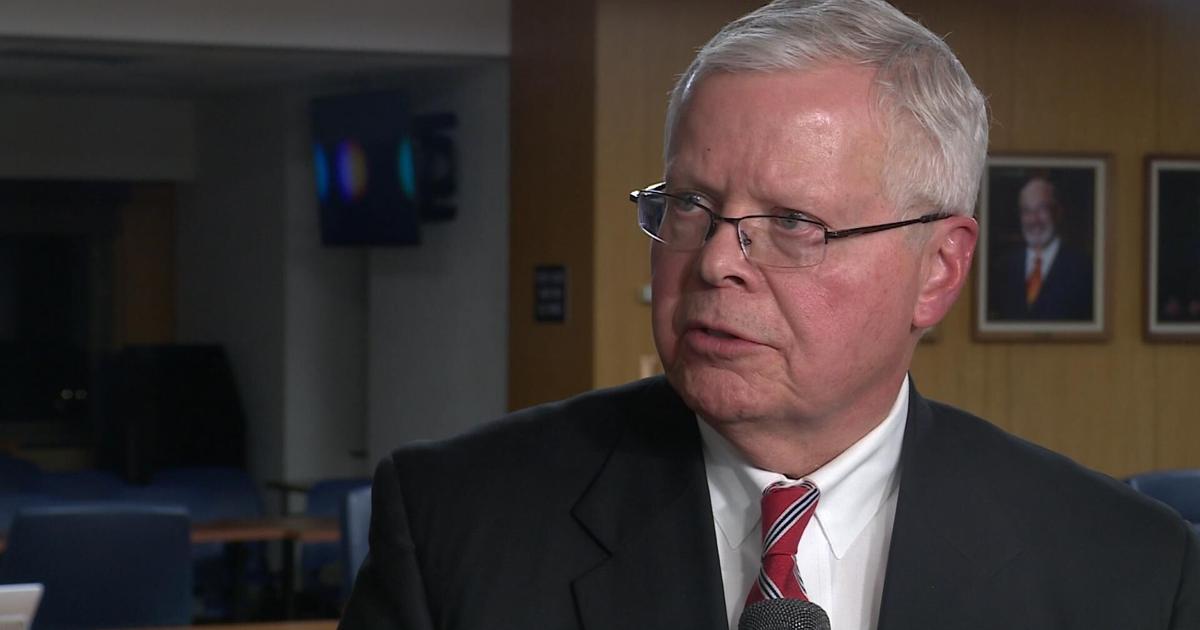
The Universities of Wisconsin Board of Regents voted unanimously to fire UW System President Jay Rothman effective immediately; Rothman has led the 165,000‑student multicampus system since June 2022 and earns $600,943 annually. The dismissal, amid disputed and opaque performance-review findings and closed-session deliberations, creates political and governance risk — the Republican‑controlled Legislature (which controls the system’s budget) has scheduled a Senate oversight hearing for regents — and the contract allows termination without appeal but requires six months’ notice.
The abrupt, opaque removal of the system president materially increases near-term political leverage over the University of Wisconsin’s appropriations cycle. Expect an elevated probability (30–60% in the next 4–8 weeks) that the Legislature conditions or delays capital disbursements tied to oversight demands; every 10–30bp widening in Wisconsin-specific muni spreads raises financing costs by roughly $100k–$300k per $100m of project principal annually, creating a concrete headwind to ongoing campus construction and bond-funded projects.
Second-order operational impacts cascade through vendors and contractors concentrated in-state: design-build firms and steel/concrete suppliers with heavy Wisconsin revenue will see payment timing risk and potential retentions on projects sized in the tens-to-hundreds of millions, compressing near-term working capital and boosting receivable days. Philanthropic fundraising is also sensitive to leadership clarity; a 6–18 month leadership vacuum historically reduces large gift cadence by ~10–25%, forcing interim reliance on tuition adjustments or expense-tightening measures that can depress local service-sector revenues.
The immediate catalyst window is narrow: the upcoming Senate confirmation hearing and any legislative appropriation deadlines are the 1–6 week inflection points. Reversal scenarios include a quick governance reset (new regents or clarified performance language) or a conciliatory budget deal with explicit funding lifts — each would compress muni spreads and restore contractor cashflows within 30–90 days. Absent that, expect drawn-out governance uncertainty that favors liquidity, short-duration credit protection, and selective downside plays on regional financials and contractors.
AI-powered research, real-time alerts, and portfolio analytics for institutional investors.
Request DemoOverall Sentiment
mildly negative
Sentiment Score
-0.15
