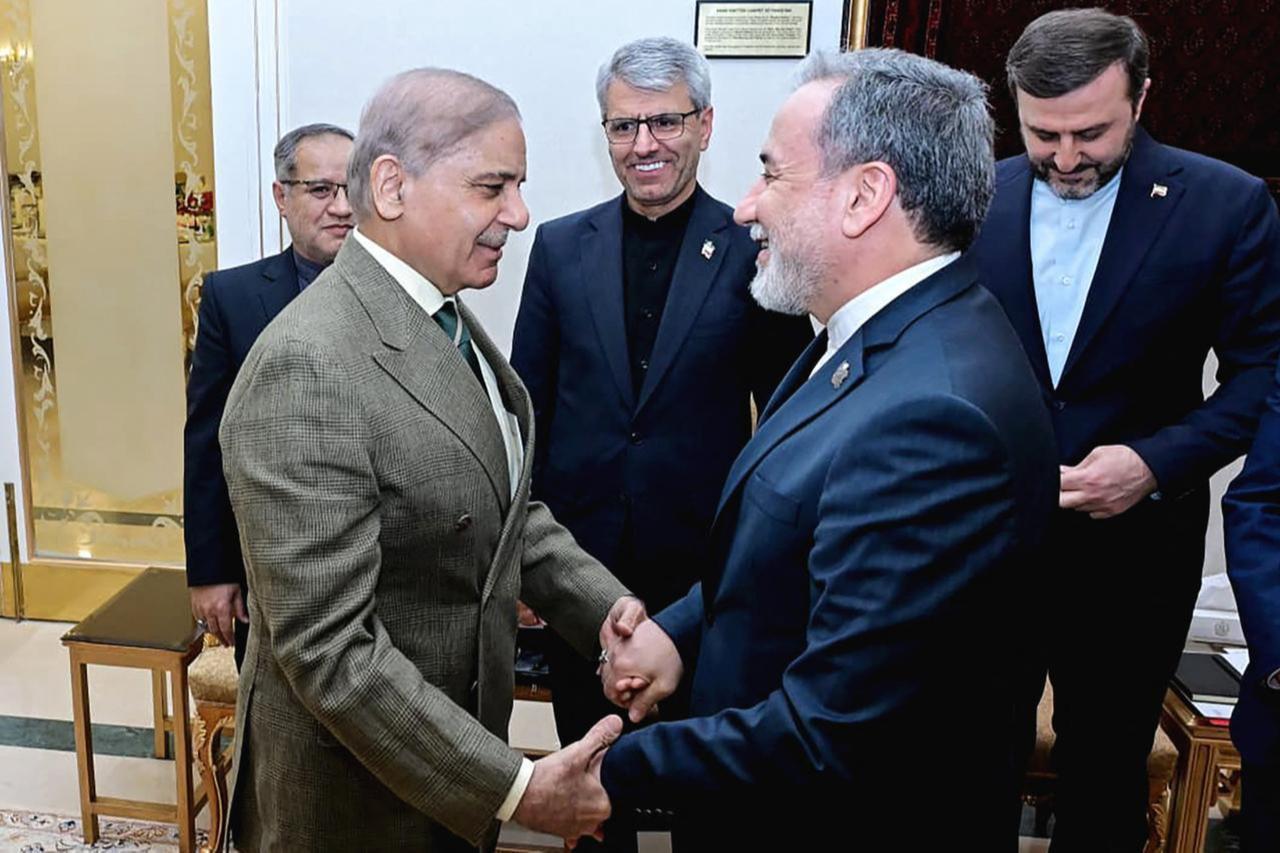
Pakistan is alleged by U.S. officials to have allowed Iranian military aircraft, including an RC-130 surveillance plane, to park at Nur Khan Air Base following an early-April ceasefire, potentially shielding them from U.S. airstrikes. The report highlights escalating U.S.-Iran tensions, contested neutrality by Pakistan, and related aircraft movements into Afghanistan amid regional military clashes. The article is geopolitically sensitive and could raise risk premiums across the region.
This is less about the aircraft themselves and more about the price Pakistan may now pay for being perceived as an unreliable neutral. The first-order market impact is on sovereign and quasi-sovereign risk: any hint that Islamabad facilitated concealment of military assets raises the odds of sharper U.S. scrutiny, slower IMF/bilateral disbursement, and a higher external financing premium. That matters because Pakistan’s near-term funding needs are front-loaded; even a modest delay in dollars landing can widen CDS and pressure the rupee within days to weeks.
The second-order effect is regional logistics optionality. If Pakistan’s airfields are seen as politically “contaminated,” future mediation traffic, third-country overflights, and sensitive cargo routing may migrate to less exposed hubs in the Gulf or Central Asia. That is a quiet negative for Pakistan’s aviation and airport ecosystem, but more importantly it tightens the operating environment for any carrier or defense contractor depending on permissive regional basing. The Afghanistan angle reinforces that airports are becoming tactical shelters, not just transit nodes, which raises insurance, security, and rerouting costs across the corridor.
The underappreciated tail risk is escalation by attribution: if Washington concludes Islamabad knowingly protected Iranian military assets, retaliatory pressure could come through sanctions designations, military aid pauses, or intelligence-sharing restrictions rather than headline tariffs. Those are slower-burn catalysts over 1-3 months, but they can reprice Pakistan risk assets abruptly once formalized. The contrarian view is that the market may already discount a high-stress Pakistan external balance sheet; the incremental damage may show up less in broad EM beta and more in local FX, offshore bond spreads, and domestic defense/aviation procurement delays.
AI-powered research, real-time alerts, and portfolio analytics for institutional investors.
Request DemoOverall Sentiment
moderately negative
Sentiment Score
-0.35
