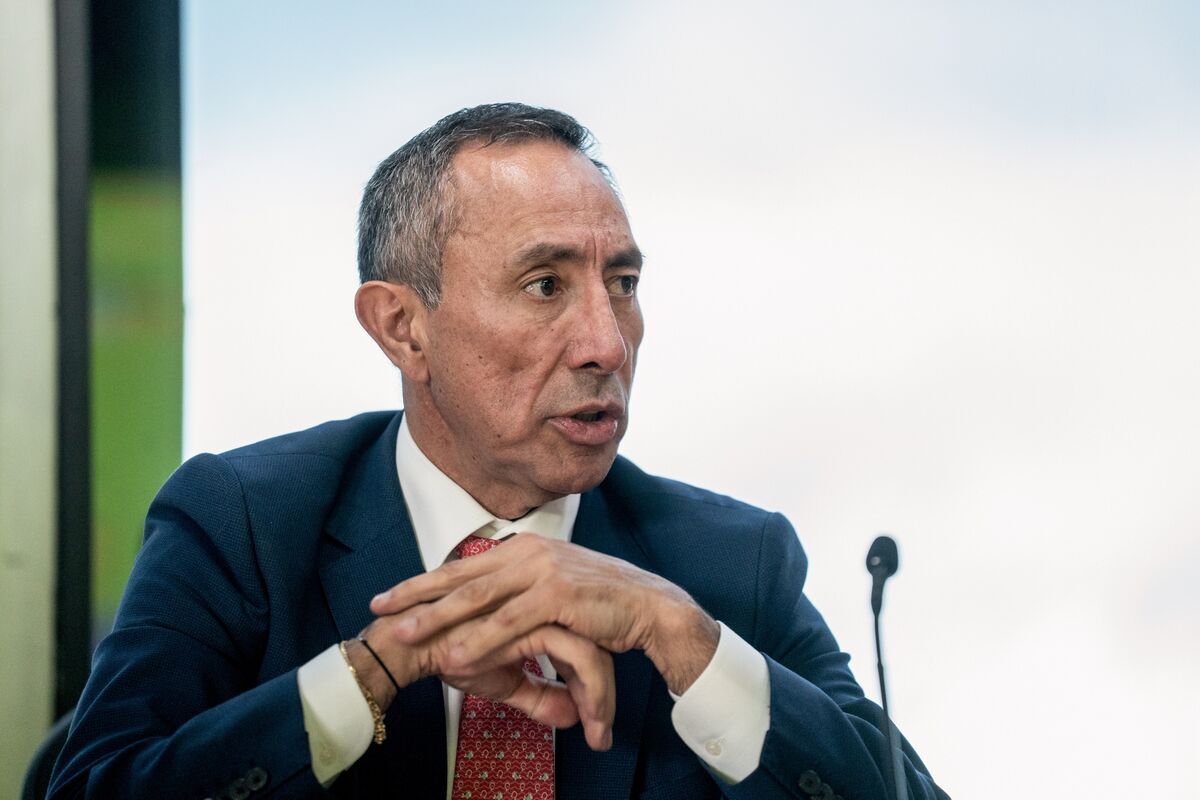
Board to decide CEO Ricardo Roa’s fate on March 30 after political pressure from President Gustavo Petro (who backs Roa) and a threat of strike from the country’s largest oil workers union demanding his removal. A strike or protracted governance dispute could paralyze Colombia’s biggest company and materially disrupt operations, posing downside risk to Ecopetrol’s near-term production and equity performance.
The market is pricing a governance shock as an idiosyncratic political/corporate-risk premium rather than a temporary operational blip; that magnifies equity and credit volatility even if physical output impact is limited. In the near term (days–weeks) expect a 10–25% range trade in the stock and a 100–200bp swing in credit spreads if newsflow implies management turnover or labour disruption, driven by investors de-risking state-linked assets and marking-to-market refinancing risk.
Second-order winners will be service contractors and regional producers with apolitical boards — they can pick up tendered work if capex is delayed, and international buyers may shift volumes to more stable sellers, compressing differentials for Colombian barrels while widening them for the incumbent. Downstream and trading desks should anticipate lumpy cargo timing that tightens spot regional (ESPO/FOB) pricing intermittently; that benefits short-cycle producers and refiners with flexible slate economics.
Tail risks are asymmetric: a short, tactical labour action would create a sharp but temporary EBITDA hit, while a protracted paralysis or credit-rating watch could raise cost of capital for years and force renegotiation of long-dated contracts. Key catalysts that would reverse the risk premium are a rapid political settlement, an enforceable labour accord, or a board compromise that restores clear governance — each can recalibrate spreads and cut implied volatility within 1–3 months.
Contrarian angle: consensus may overprice systemic nationalization risk. The state ownership structure and contractual protections make a long-term operational seizure unlikely; a decisive board outcome that clarifies governance could produce a >15% relief rally in 3–6 months as risk premia decompress. That asymmetry argues for event-driven option structures rather than naked directional bets.
AI-powered research, real-time alerts, and portfolio analytics for institutional investors.
Request DemoOverall Sentiment
moderately negative
Sentiment Score
-0.50
Ticker Sentiment
