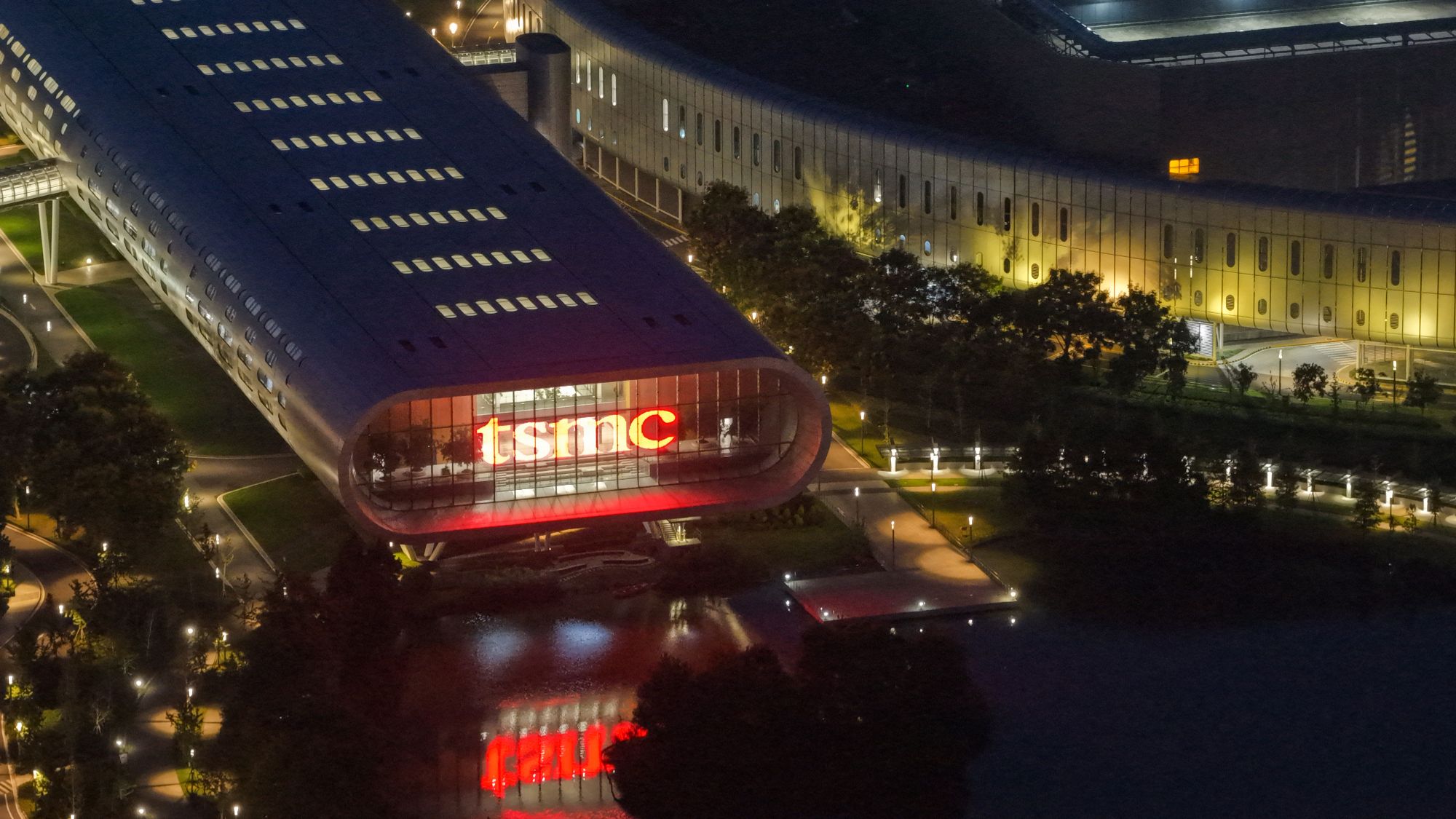
Nvidia CEO Jensen Huang said Nvidia has become TSMC’s largest customer, dethroning Apple as surging enterprise demand for AI GPUs drives outsized volume and revenue for Team Green. Unverified reports also claim TSMC is raising prices and may be deprioritizing Apple capacity amid AI-driven constraints—an outcome that would increase Nvidia/TSMC pricing power and potentially pressure Apple’s supply chain and margins, although the assertions remain speculative and vulnerable to a reversal if AI demand cools.
Market structure: Nvidia (NVDA) and TSMC (TSM) are the direct winners — Nvidia captures outsized pricing power on AI GPUs while TSMC can push wafer ASPs and sustain >85–90% fab utilization into 2026 if AI demand persists. Apple (AAPL) and other consumer SoC customers face higher unit costs and potential de-prioritization, compressing handset/Pad margin mix if TSMC reallocates capacity. Cross-asset: sustained AI capex supports semiconductor equity risk-premia, upward pressure on Taiwanese TWD, modest upward pressure on long-term yields if capex funds borrow; energy/utility commodities may see second-order demand from data-center buildouts.
Risk assessment: Tail risks include (1) tighter export controls/antitrust action curbing NVDA addressable market (15–25% probability 12 months), (2) a Taiwan operational shock or TSMC yield surprise (5–15% probability), and (3) AI demand mean-reversion (“bubble pop”) with 20–30% downside to GPU orders over 12–24 months. Short-term (days–weeks) expect headline-driven volatility around TSMC/Apple comments; medium (3–12 months) reflects order book and pricing pass-through; long-term (2+ years) depends on capex cycles and alternative foundry capacity.
Trade implications: Favor asymmetric exposure to NVDA (capture backlog) and TSM/semicap suppliers while hedging consumer-electronics cyclicality (AAPL). Use relative-value: long NVDA / short AAPL to express foundry repricing risk. Options: buy 3–6 month NVDA call spreads to limit premium; buy 9–18 month TSM LEAPS or call spreads to play structural ASP gains; buy 3–6 month AAPL put spreads as insurance if TSM price hikes are confirmed. Rotate from consumer hardware into cloud/software (AMZN, MSFT, GOOGL) and semiconductor equipment names.
Contrarian angles: Consensus understates fragility of TSMC’s pricing power — aggressive price hikes could prompt long-term client diversification (Samsung, in-house silicon), capping TSM upside. NVDA’s narrative may already price multi-year revenue growth; a 20–30% drawdown in GPU orders would expose stretched multiples. Historical parallel: fab transitions (Intel→TSMC) show leadership can reverse; monitor OEMs’ multi-year wafer contracts as a weak-signal for durable shifts.
AI-powered research, real-time alerts, and portfolio analytics for institutional investors.
Request DemoOverall Sentiment
moderately positive
Sentiment Score
0.40
Ticker Sentiment
