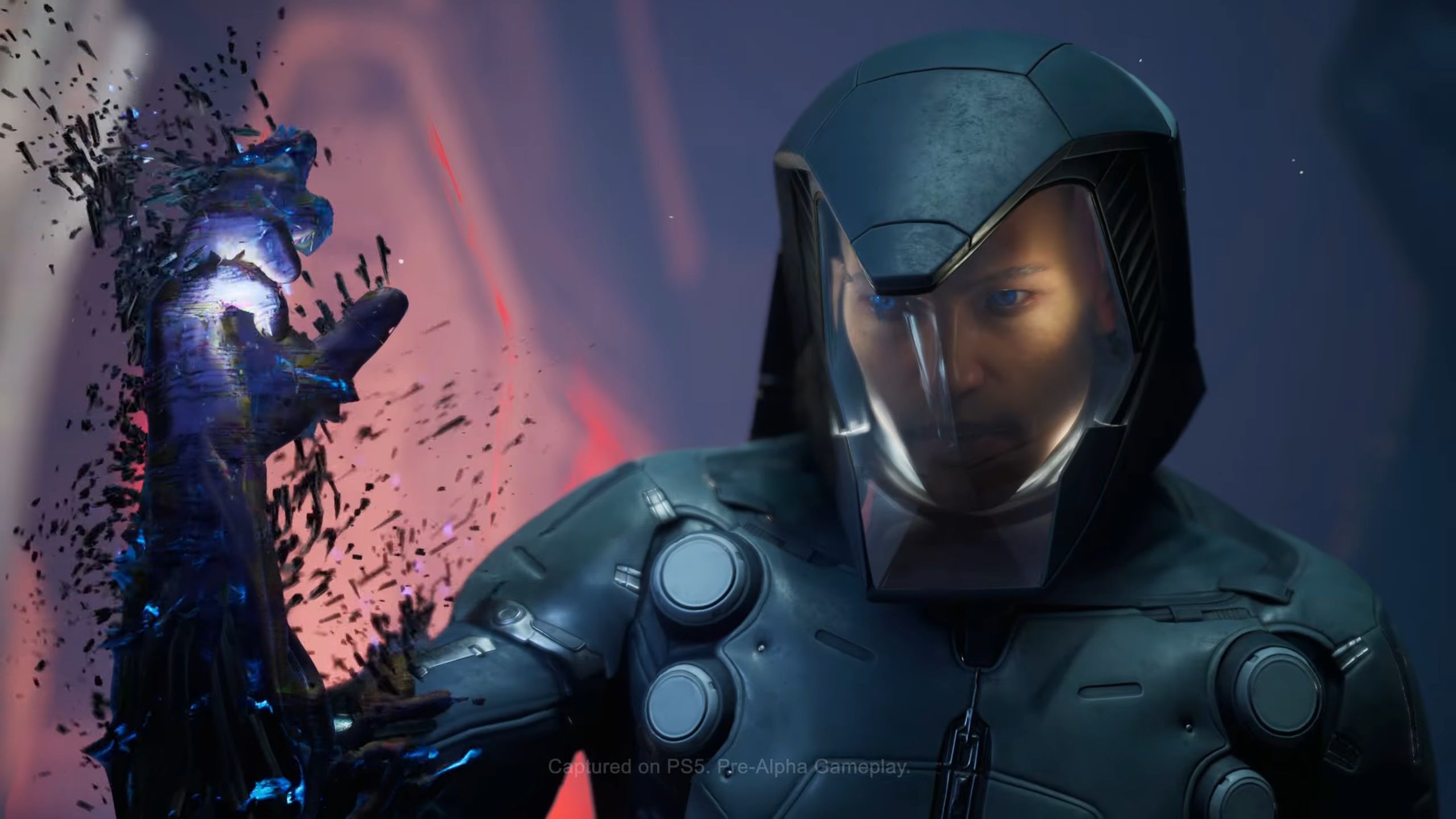
James Ohlen says he left Archetype Entertainment mid-development because running the studio while serving as creative lead on Exodus was unsustainable, citing burnout, health strain, and personal-life impact. He also says EA’s rejection of a $300 million-era reboot plan for Star Wars: The Old Republic marked the “beginning of the end” of his BioWare tenure and reinforced his decision to leave studio leadership. The article is more a management and creative burnout story than a market-moving development, with limited direct impact beyond the games/interactive entertainment space.
This is a governance/management signal more than a near-term earnings event: Hasbro’s premium IP strategy depends on attracting scarce creative talent, but the article reinforces that the real constraint is organizational complexity. When a founder-level creative exits because decision latency, stakeholder sprawl, and weak internal shielding become intolerable, the economic damage shows up first as schedule slippage and scope dilution, then as lower hit probability on the next tentpole. For HAS, that means the market should treat long-dated game/immersive-media optionality as less valuable unless the company can prove a repeatable operating model for creative executives. The second-order risk is talent franchise decay. In IP-driven media businesses, the loss of one high-credibility creator can reduce the studio’s ability to recruit the next layer of senior developers, increase cash compensation demands, and extend development cycles by 6-18 months. That hurts not just one title but the portfolio’s throughput: fewer shots on goal, more capital tied up in WIP, and a higher chance that licensed content arrives after the market window closes. For a licensor like HAS, the upside from a successful game is capped by economics, while the downside from a delayed or derailed project is disproportionately borne through sentiment and opportunity cost. The contrarian read is that this is not necessarily a product-quality bearishness on the current project; it is a proof-point that founder volatility is now a structural feature, not a one-off. If anything, some of the market may over-focus on creative pedigree and underweight execution governance. The real variable to watch is whether Hasbro can replace founder-led decision-making with a hardened producer layer; without that, the probability distribution skews toward expensive, delayed releases rather than outright cancellations.
AI-powered research, real-time alerts, and portfolio analytics for institutional investors.
Request DemoOverall Sentiment
mildly negative
Sentiment Score
-0.25
Ticker Sentiment
