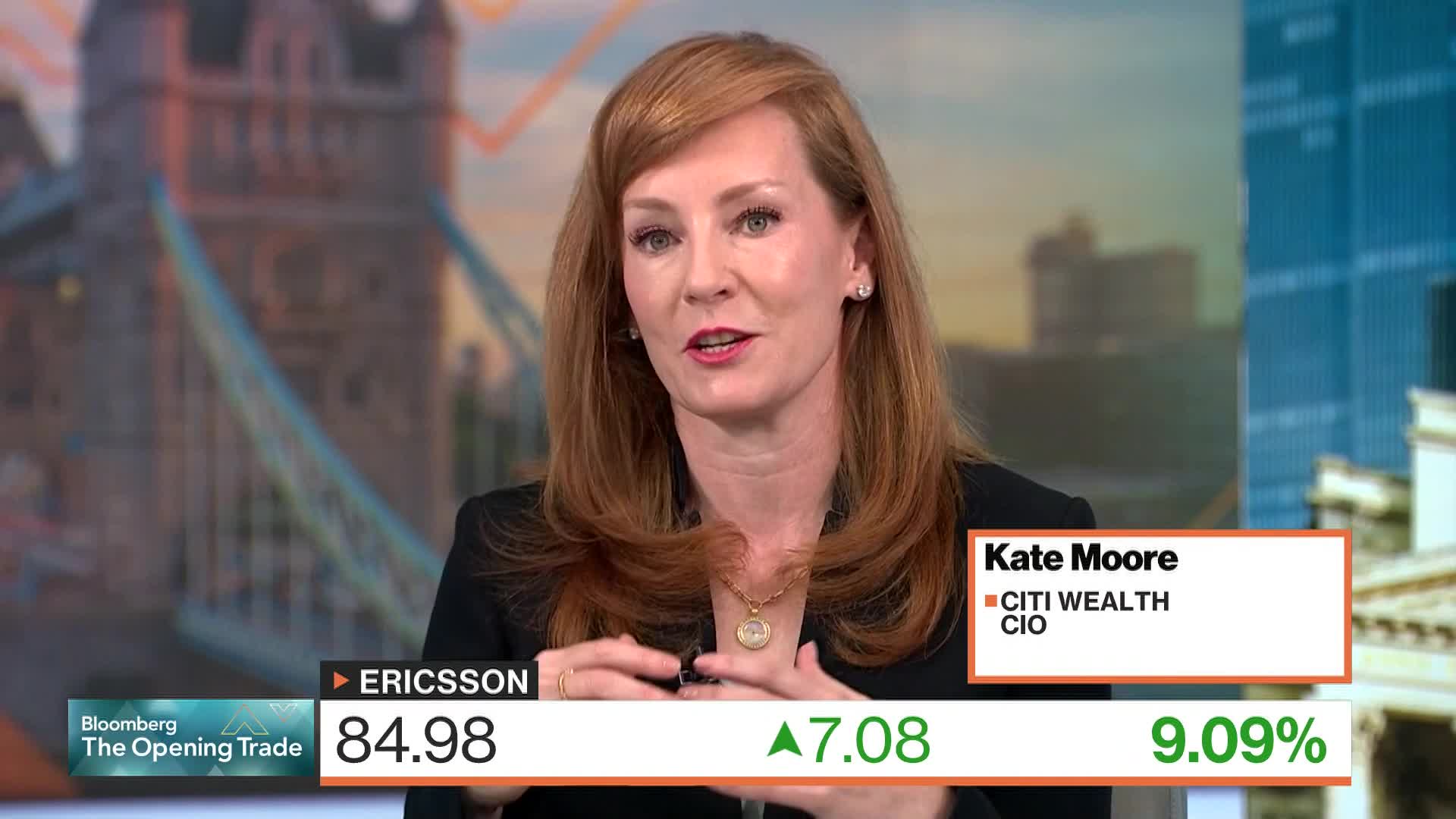
Citi's Moore indicates that the global economy has not yet overcome the negative impacts of tariffs, suggesting continued headwinds for businesses and potential market volatility related to trade policies.
Citi's analyst, Moore, indicates that the global economy continues to grapple with the negative repercussions of existing tariffs, suggesting that the pain has not yet subsided. This assessment carries a moderately negative sentiment (-0.6) and a cautious tone, implying persistent challenges for global trade and corporate profitability.
The ongoing impact of tariffs is expected to generate continued headwinds for businesses, potentially affecting supply chain stability and increasing operational costs. This environment is likely to contribute to heightened market volatility, particularly in sectors sensitive to international trade policies.
The identified themes of "Tax & Tariffs" and "Trade Policy & Supply Chain" underscore the systemic nature of these concerns. While the article does not provide specific financial figures, the general market impact score of 0.6 suggests a notable, albeit not extreme, influence on investor sentiment and asset valuations.
AI-powered research, real-time alerts, and portfolio analytics for institutional investors.
Request DemoOverall Sentiment
moderately negative
Sentiment Score
-0.60
Ticker Sentiment
