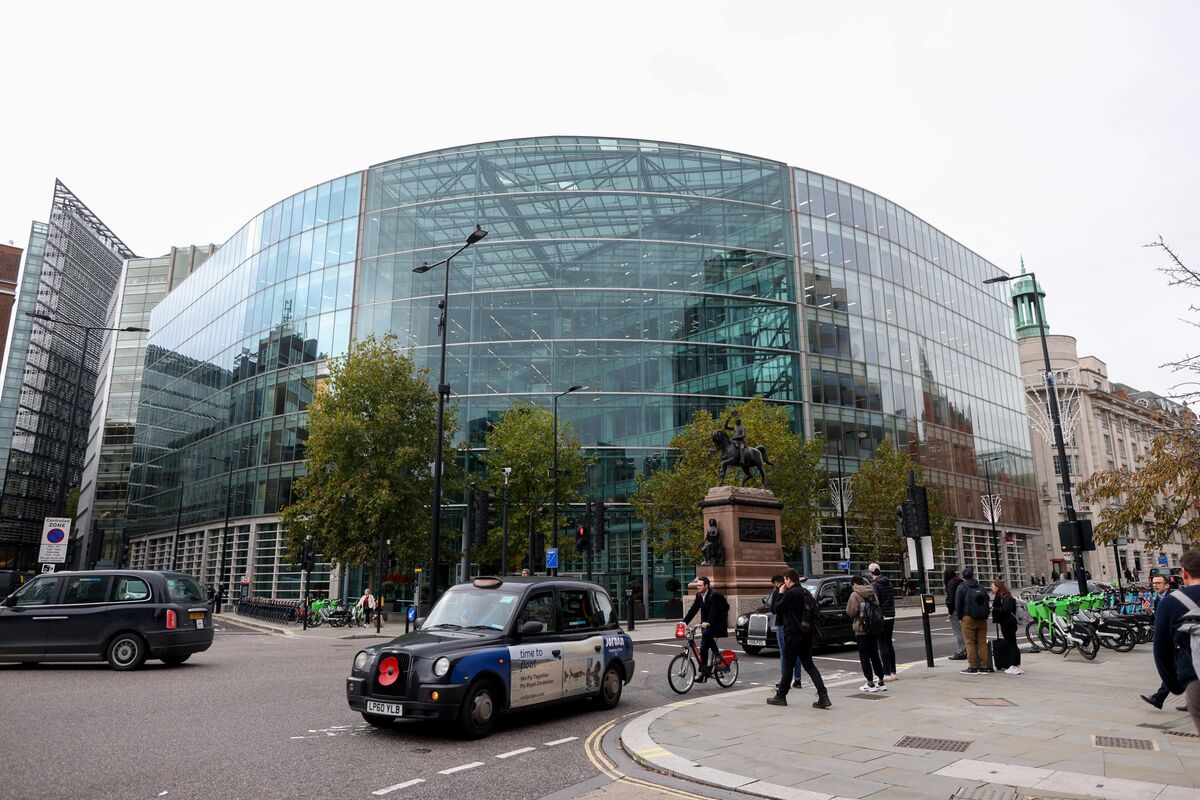
Gingko Tree Investment, a Chinese government-backed entity, is reportedly considering divesting its stake in 33 Holborn, a prime London commercial property, to circumvent substantial refurbishment costs. These upgrades are partly necessitated by stricter energy efficiency requirements, despite the owning consortium, which includes Tishman Speyer and a Danish pension fund, having already secured planning permission for the work.
Gingko Tree Investment, a Chinese government-backed entity, is reportedly considering divesting its stake in 33 Holborn, a prime London commercial property. This potential exit is driven by an unwillingness to fund substantial refurbishment costs required for the asset. The property, formerly J Sainsbury Plc's headquarters, needs significant upgrades.
The necessary upgrades are partly mandated by increasingly stringent energy efficiency requirements, aligning with broader ESG and climate policy trends. While the owning consortium, which includes Tishman Speyer and a Danish pension fund, has already secured planning permission for the work, Gingko Tree's reluctance highlights capital allocation challenges in a regulated environment.
This situation reflects a moderately negative sentiment within the London commercial real estate market, particularly concerning older assets facing regulatory-driven capital expenditure. The pessimistic tone suggests that other owners of similar properties may face comparable dilemmas, potentially impacting valuations and transaction volumes in the sector. This specific case underscores the growing financial burden of ESG compliance in private real estate.
AI-powered research, real-time alerts, and portfolio analytics for institutional investors.
Overall Sentiment
moderately negative
Sentiment Score
-0.50
