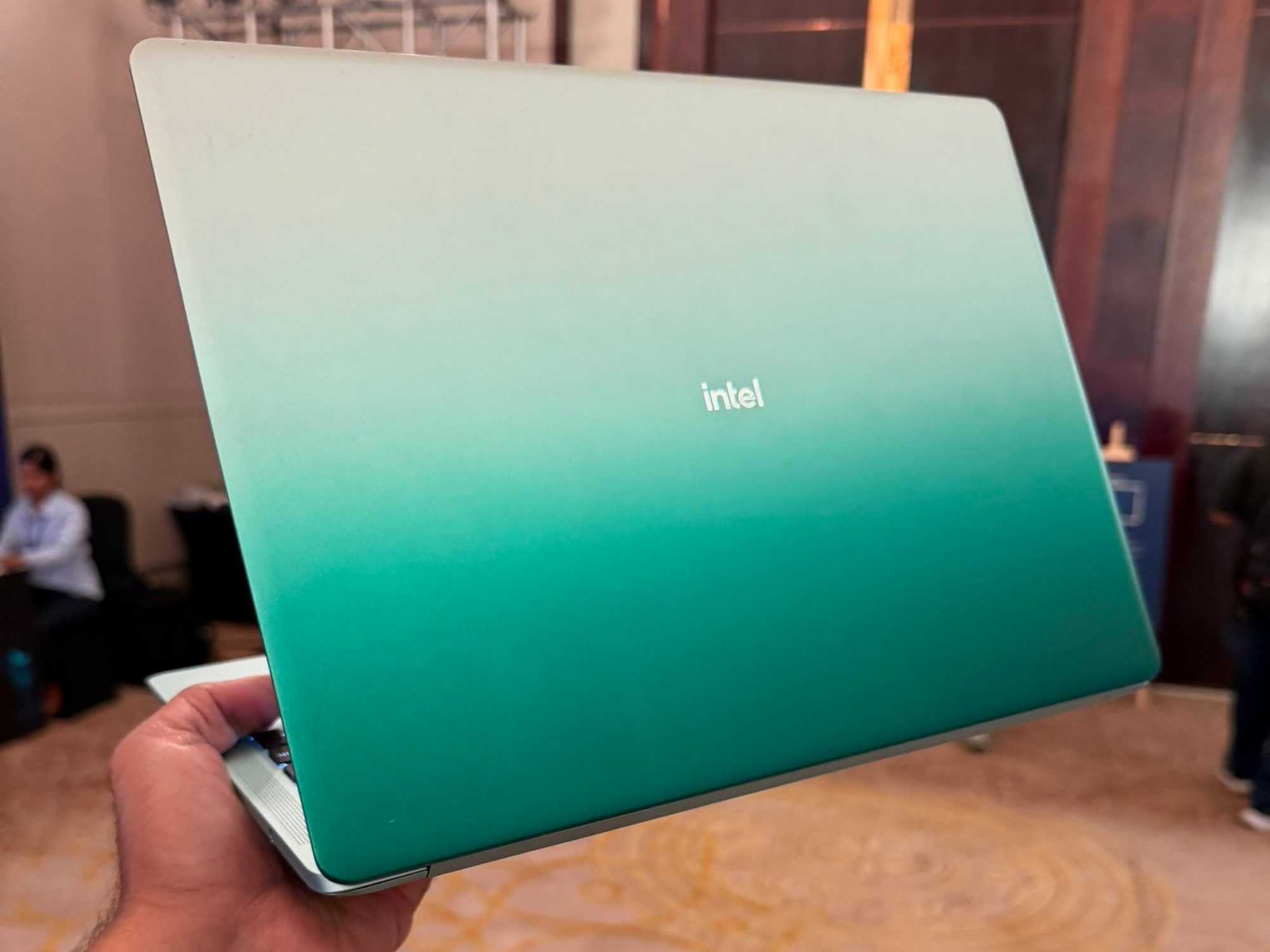
Intel showcased a Wildcat Lake reference laptop powered by a 6-core 2P+4LPE chip, a 17 TOPS NPU, 16GB soldered memory, and 17W/35W power envelopes, with fanless variants capped at 11W. Intel says the new 18A-based CPUs deliver up to 47% better single-thread performance, 41% better multi-thread performance, and 2.8x higher GPU AI performance versus older low-power chips. The news is supportive for Intel’s product roadmap, but it is still a reference design without pricing or commercial launch details.
Intel’s move is less about one SKU and more about re-entering the sub-$700 notebook conversation with a credible efficiency story. If Wildcat Lake can actually hit the stated power envelope without audible cooling penalties, it meaningfully narrows the experiential gap versus ARM-based thin-and-light devices and could reset OEM willingness to use Intel in low-margin consumer designs rather than defaulting to the cheapest x86 option. The first-order upside is attach-rate and design wins; the second-order upside is improved mix discipline if Intel can monetize platform features rather than discounting silicon to defend socket share.
The bigger competitive read-through is pressure on mid-tier Windows OEMs, not just Apple. A well-executed fanless reference design gives Acer, Lenovo, HP, and Asus a template for a “good-enough” premium-feeling machine that can be sold on battery life and industrial design instead of raw specs, which is where the category is heading. That said, the risk is that 18A bragging rights matter less than real-world yield, battery life consistency, and thermals under sustained loads; if early retail reviews show downclocking or mediocre AI utility, the halo fades quickly and the product becomes another margin-dilutive demo board.
For Apple, the threat is not immediate unit loss but incremental compression of the low-end Mac narrative. If Windows OEMs can offer a similar form factor at materially lower prices, Apple is forced to defend through software differentiation or accept a narrower premium band; that said, demand elasticity at the entry end is high, so Apple likely absorbs most of this via mix rather than share. The contrarian angle is that the market may be overestimating near-term winner-take-all effects: this is a multi-quarter notebook refresh cycle, and the real monetization opportunity for Intel is not shipment spikes but whether it converts this into a durable platform reset before the next pricing round.
The cleanest catalyst is the first wave of independent reviews and channel checks over the next 4-8 weeks; that will tell us whether this is an OEM-friendly reference design or a product that only looks compelling in press shots. If the fanless and 11W modes hold up in sustained testing, it increases the odds of a broader design-in cycle into back-to-school and holiday 2026. If not, the stock reaction should reverse because investors are currently paying for execution, not announcements.
AI-powered research, real-time alerts, and portfolio analytics for institutional investors.
Request TrialOverall Sentiment
mildly positive
Sentiment Score
0.35
Ticker Sentiment
