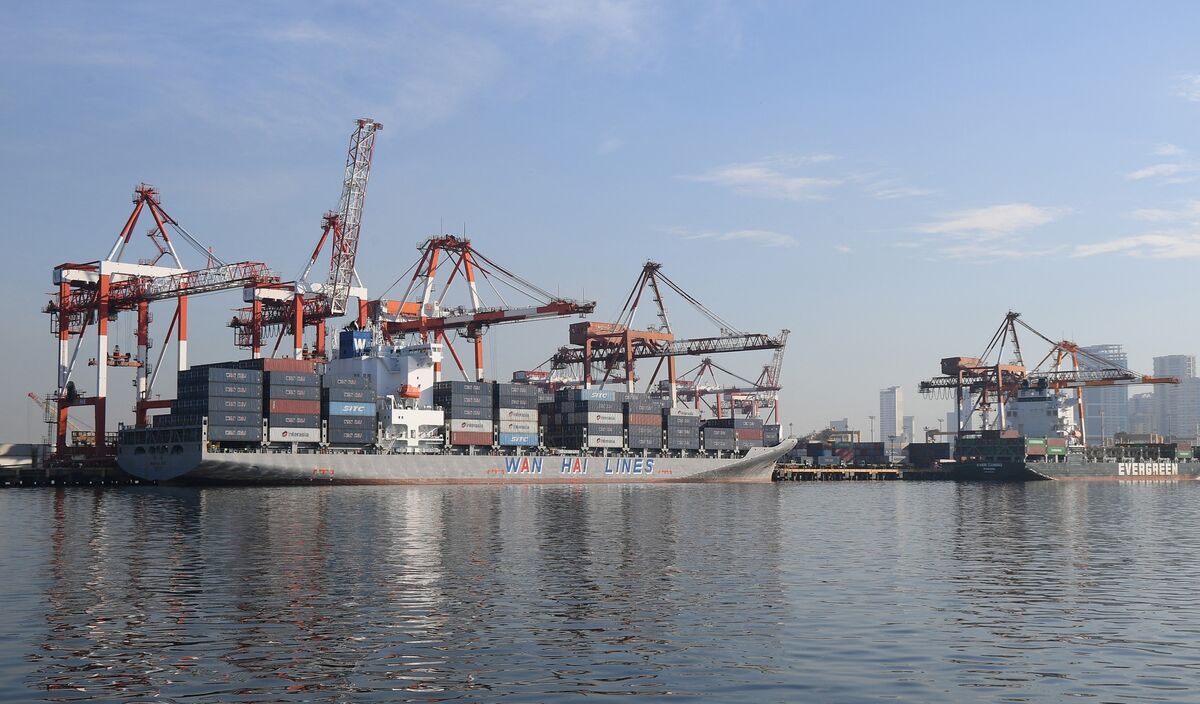
ASEAN agreed to boost maritime cooperation and establish a central repository for maritime issues and policy, with the Philippines offering to host the center. The move is aimed at reducing the risk of a South China Sea crisis resembling a Strait of Hormuz closure. The announcement is geopolitically meaningful for regional security, but it is not an immediate market-moving event.
This is less a near-term market catalyst than a medium-horizon coordination signal that lowers the odds of a slow-burn shipping disruption becoming a full risk-premium event. The second-order winner is any balance sheet or platform tied to maritime awareness, surveillance, port security, and naval interoperability, because policy bodies built after a scare tend to turn into recurring procurement budgets. That favors defense electronics, sensors, satellite imagery, and command-and-control vendors over pure shipbuilders, which usually benefit later and less consistently.
The more interesting market effect is on supply-chain optionality: Southeast Asian exporters want to price in resilience without paying the full cost of rerouting inventory. That can support incremental spend on redundancy, coastal monitoring, and dual-sourcing, while still leaving freight rates vulnerable to episodic spikes if the South China Sea becomes a higher-friction chokepoint. For EM, this is mildly supportive for Singapore, the Philippines, and Malaysia as logistics and security hubs, but less so for Taiwan-adjacent routing or any carrier exposed to insurance repricing.
The contrarian view is that institutional coordination can actually reduce tail risk more than headlines imply, meaning the implied geopolitical premium may be underpriced only at the far right tail, not in the base case. Markets often overreact to theater and underreact to budgetary follow-through: the first real catalyst will be procurement cycles, joint exercises, and insurance commentary over the next 3-12 months, not the announcement itself. If implementation stalls, the trade unwinds quickly because this is still a narrative, not a physical capacity constraint.
AI-powered research, real-time alerts, and portfolio analytics for institutional investors.
Request DemoOverall Sentiment
neutral
Sentiment Score
0.05
