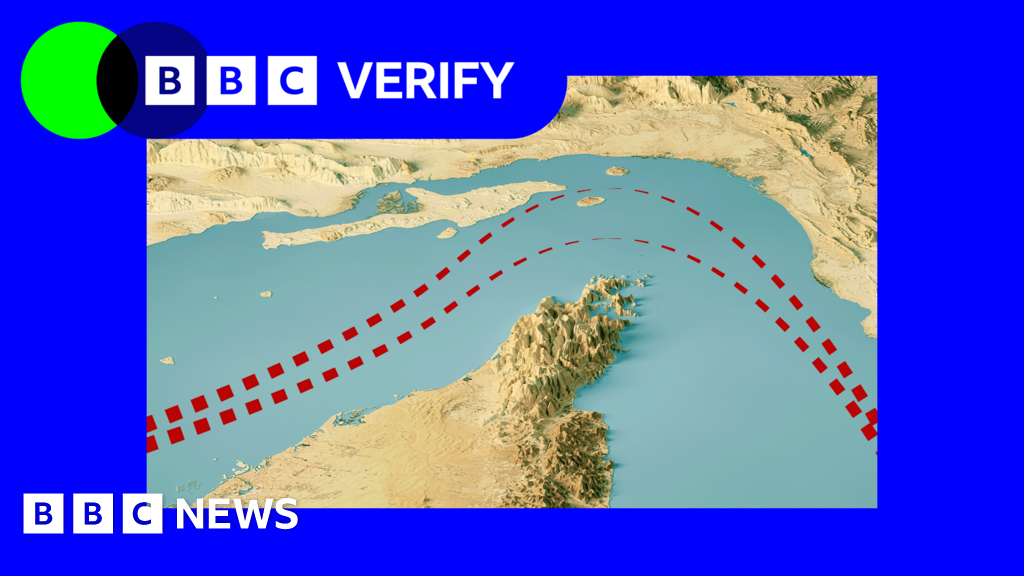
A two-week ceasefire was announced but Iran's navy warned ships transiting the Strait of Hormuz without permission 'will be targeted and destroyed' — only three vessels have passed since the ceasefire versus about 138 ships/day pre-conflict. The strait carries roughly 20% of global oil and LNG; Brent fell ~13% to $94.80 and US oil fell >15% to $95.75, yet analysts warn normal flows are unlikely soon due to IRGC control, possible sea mines, and reports of tolls that could violate US sanctions, keeping shipping and energy market risks elevated.
Legal and insurance frictions — not the ceasefire announcement itself — will be the dominant constraint on flow restoration. Shipowners and P&I clubs will demand explicit, contractable guarantees (escrowed payments, indemnities, or sovereign assurances) before accepting transits; absent U.S. sanctions carve-outs that clarity can take weeks-to-months to negotiate, producing a slow, asymmetric recovery in volumes even if violence remains low.
The economics are driven by ton-mile and risk-premium mechanics rather than headline oil volumes: longer alternate routings and vessel idling/stacking increase demand for seaborne capacity per barrel of oil and per ton of bulk cargo, compressing fleet availability and pushing spot freight and time-charter rates materially higher. Simultaneously, floating storage and widened regional differentials (Gulf vs Atlantic/Asia) are the likeliest near-term inventory adjustment mechanisms, creating contango opportunities and volatile crack spreads for refiners and petrochemical producers who rely on Gulf feedstock.
Timeframes matter: expect visible market distortions in days–weeks (freight and option vol), operational shifts and contract re-pricings across months, and structural supply-chain responses (reshoring, alternative routes, strategic buffer stocks) over quarters–years. Key catalysts that would reverse the current premium profile are formal international transit guarantees, insured naval escorts, or an explicit U.S. sanctions exemption for transit tolls; downside tail-risks include minefields or a rapid re-escalation that could take months to clear and impose sustained routing penalties.
AI-powered research, real-time alerts, and portfolio analytics for institutional investors.
Overall Sentiment
strongly negative
Sentiment Score
-0.60
