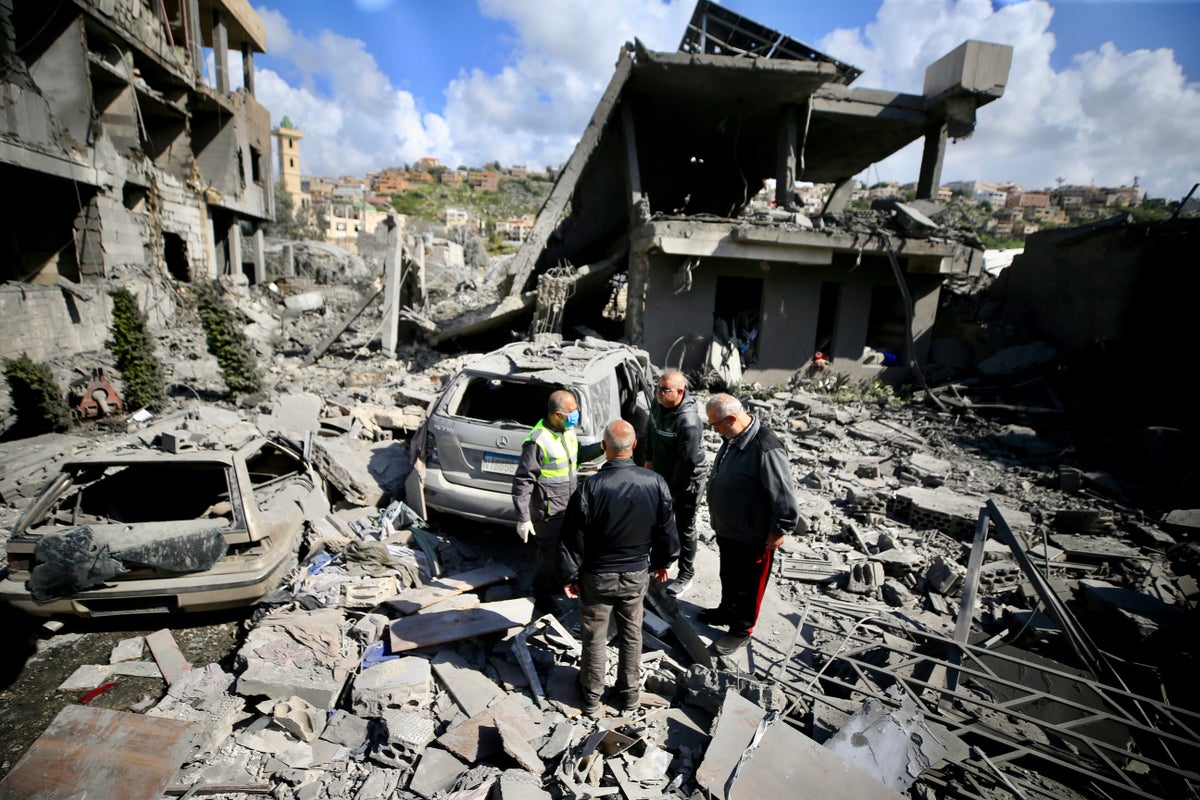
Houthi rebels launched their first missile attack on Israel since the conflict began and Iran's Islamic Revolutionary Guard Corps has closed the Strait of Hormuz, raising the risk of broader regional escalation. The Houthis threaten Bab al-Mandeb disruptions that could hit Red Sea shipping lanes and trade flows, while Qatar's helium shutdown has removed roughly one-third (~33%) of global helium supply, threatening semiconductor production and prompting potential supply-chain shifts. Additional risks include reported IRGC strikes (Dubai air-defence depot), drone damage to Kuwait airport radar, and an Iran-linked hack of an FBI official, all increasing operational and geopolitical risk and supporting a market-wide risk-off posture.
The immediate second-order market effect is a persistent premium on Red Sea / Gulf of Aden transit risk that will force durable rerouting and higher unit shipping costs. Rerouting around the Cape of Good Hope typically adds ~10–14 days and ~15–25% voyage fuel consumption on Europe–Asia lanes, which directly compresses container line margins and mechanically raises break-even freight rates for liner operators and spot tanker time-charter equivalents (TCEs).
Commodity flows will bifurcate: crude and product cargoes facing Strait-of-Hormuz/Bab al-Mandeb disruption support a multi-week spike in tanker utilization and freight spreads, while specialty gases (notably helium) remain in tight supply for quarters given concentrated production and the technical difficulty of rapid substitution. Expect a 3–12 month window where buyers pay structural premia for hard-to-source inputs and refinery/refill reallocation creates localized price dislocations.
Cyber and insurance are underpriced tails: state-linked hacks and targeted strikes push war-risk insurance premiums and marine P&I charges materially higher within days, reducing just-in-time trade viability and raising working capital needs for trade finance. Banking and export-credit desks face elevated sanctions and settlement friction risk over months, increasing the cost of capital for trade-dependent corporates and logistics providers.
Reversal hinges on diplomacy or credible chokepoint security in 2–8 weeks; absent that, structural reconfiguration of supply chains (diversifying helium, building buffer inventories, longer shipping contracts) becomes a multi-quarter to multi-year investment theme. The asymmetric risk profile — short-duration military escalations versus long-duration supply-chain freezes — favors trades that monetize elevated premiums but hedge for a rapid de-escalation catalyst.
AI-powered research, real-time alerts, and portfolio analytics for institutional investors.
Request DemoOverall Sentiment
strongly negative
Sentiment Score
-0.80
Ticker Sentiment
