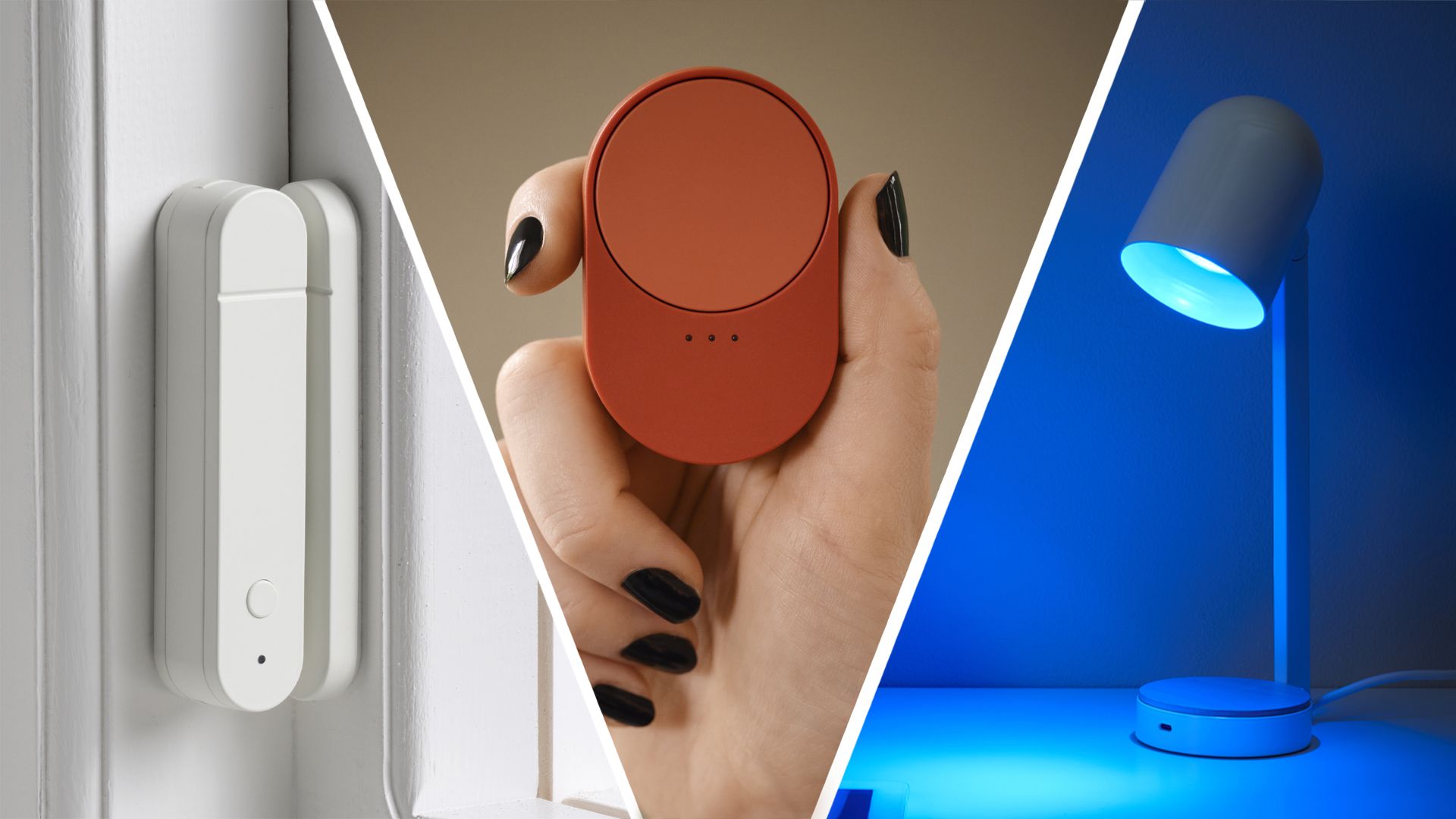
IKEA has launched a Matter-compatible smart home reboot comprising 21 new low-cost devices—motion, water-leak, humidity/temperature, air-quality sensors, remote controls, smart bulbs and a smart plug—almost all priced under $10/£10, with some items available now and others rolling out from April. Range Manager David Granath framed the launch as the foundation for rebuilding IKEA’s smart home offering and signaled a strategic shift to selectively embed smart functionality into existing products (eg. the VARMBLIXT lamp), potentially broadening adoption through affordability and interoperability.
Market structure: IKEA’s sub-$10, Matter-compatible rollout will materially expand low‑end smart‑home supply and increase price pressure on mid/low-tier vendors (expect ~20–40% downward pressure on ASPs in lighting/sensor categories within 12–24 months). Winners are platform owners and connectivity‑chip vendors who capture unit volume (Silicon Labs SLAB, NXP NXPI, Qualcomm QCOM) and cloud/voice hubs (AMZN, GOOGL, AAPL); losers include premium lighting specialists (Signify/LIGHT.AS) and boutique smart‑home hardware with weak brand moat. Retailers with integrated assortments (HD, LOW) may see category growth but margin compression as IKEA substitutes higher‑margin SKUs.
Risk assessment: Tail risks include a large Matter security exploit or mass recall that could trigger regulatory scrutiny (GDPR/FTC) and consumer backlash — a CVSS>7 vulnerability or 5% recall rate in first 12 months would be material. Near term (days–weeks) watch certification/firmware rollouts; short term (months) monitor sell‑through and component lead times; long term (quarters–years) the key risk is sustained margin erosion for hardware OEMs if IKEA scales to >10m units/year. Hidden dependency: IKEA’s value relies on third‑party firmware/cloud partnerships and Thread/IPv6 stack stability — failures there shift benefits back to ecosystem gatekeepers.
Trade implications: Direct long: allocate 2–3% to SLAB (12‑month target +25–35%) and 1–2% to AMZN (12‑month target +15–25%) to capture platform/network effects; pair trade long SLAB / short LIGHT.AS (1% vs 1.5%) to express chip wins vs lighting OEM margin squeeze. Options: consider a 9–12 month SLAB call spread (buy ATM, sell +30% strike) sized 0.5–1% notional to limit downside while keeping upside. Rotate underweight small-cap smart‑hardware names and increase exposure to semis and cloud-service beneficiaries over next 3–12 months.
Contrarian angles: Consensus underestimates how low price points drive platform lock‑in — IKEA could accelerate Matter adoption enough that platform owners (AAPL/AMZN/GOOGL) capture hardware’s long‑term economics, not component suppliers. Conversely, the market may be understating margin damage to smaller vendors; historical parallel: commoditization of Wi‑Fi cameras crushed niche vendors within 18 months. Watch for unintended consequences: component oversupply and falling MCUs prices could compress semi margins despite volume growth — trigger: sequential revenue miss >8% for SLAB or NXPI in two consecutive quarters.
AI-powered research, real-time alerts, and portfolio analytics for institutional investors.
Request DemoOverall Sentiment
mildly positive
Sentiment Score
0.35
