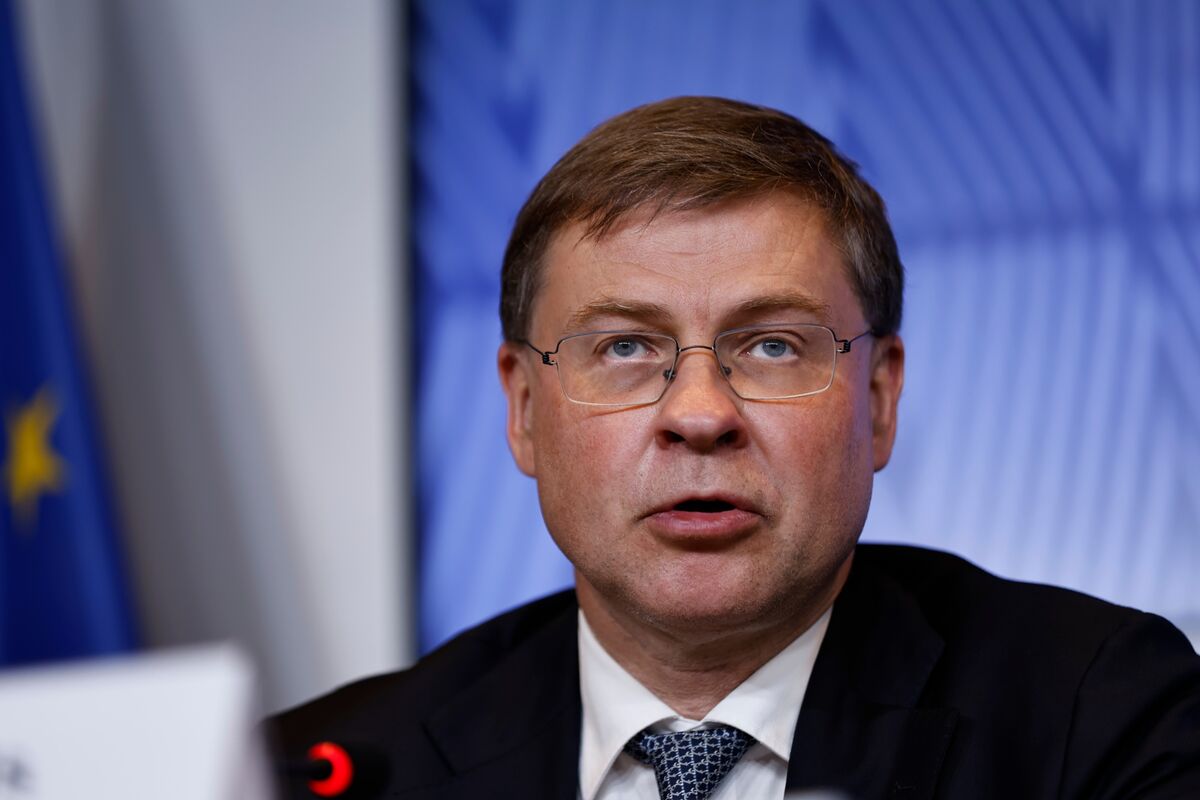
EU trade chief Valdis Dombrovskis stated that the EU and US are "making progress" in trade negotiations, though significant hurdles remain, particularly regarding steel and aluminum tariffs imposed during the Trump administration. While Dombrovskis expressed optimism about resolving some issues before the US elections, he emphasized the need for concrete outcomes and a mutually beneficial agreement to de-escalate trade tensions.
EU Trade Chief Valdis Dombrovskis has indicated that the European Union and the United States are "making progress" in ongoing trade negotiations, fostering a moderately positive sentiment and an optimistic tone regarding the potential for improved transatlantic commercial relations. Despite this cautious optimism, significant obstacles persist, most notably the steel and aluminum tariffs implemented during the Trump administration, which continue to be a point of contention. While Dombrovskis expressed hope for resolving certain issues prior to the upcoming US elections, he underscored the imperative for tangible outcomes and a mutually advantageous agreement to effectively de-escalate existing trade tensions. Successful negotiations carry the potential for a moderate market impact and could have material implications for trade policy and supply chain dynamics between these two major economic blocs, particularly for industries currently affected by tariffs.
AI-powered research, real-time alerts, and portfolio analytics for institutional investors.
Request DemoOverall Sentiment
moderately positive
Sentiment Score
0.50
