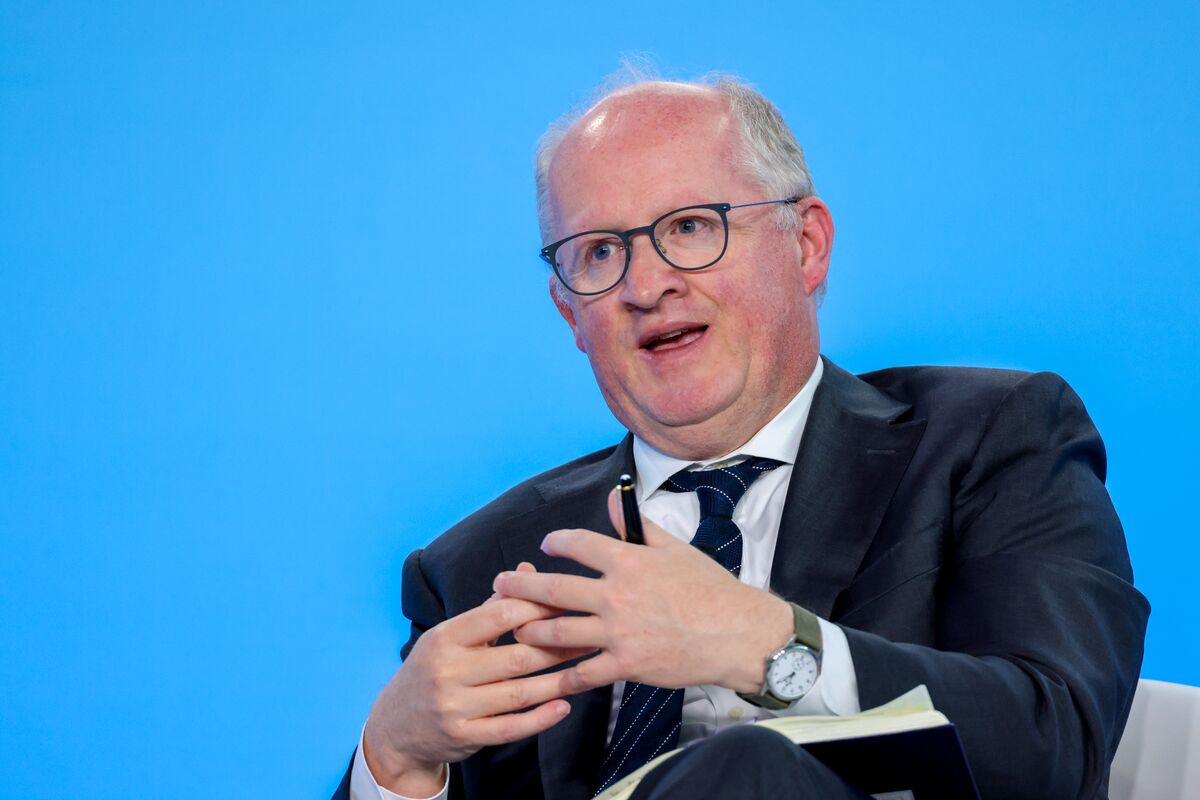
European Central Bank Chief Economist Philip Lane stated that the disinflation process is "largely completed," with headline inflation now near the 2% target, despite acknowledging persistent elevated services inflation. He asserted that sufficient progress has been made to consider the monetary policy challenge largely resolved, indicating a significant shift in the ECB's assessment of inflation control.
European Central Bank Chief Economist Philip Lane has signaled a significant milestone in the eurozone's battle with inflation, declaring the disinflation process "largely completed." This assessment is anchored by headline inflation now nearing the ECB's 2% target, providing a firm basis for his view that the associated monetary policy challenge is now mostly resolved. However, Lane's commentary is not entirely without caution, as he explicitly notes that services inflation remains elevated and "still has some distance to travel." The overall optimistic tone and high market impact of this statement suggest a pivotal shift in the ECB's rhetoric, moving away from an aggressive inflation-fighting posture and potentially setting the stage for a more accommodative policy stance, even with persistent price pressures in specific sectors.
AI-powered research, real-time alerts, and portfolio analytics for institutional investors.
Request DemoOverall Sentiment
strongly positive
Sentiment Score
0.65
