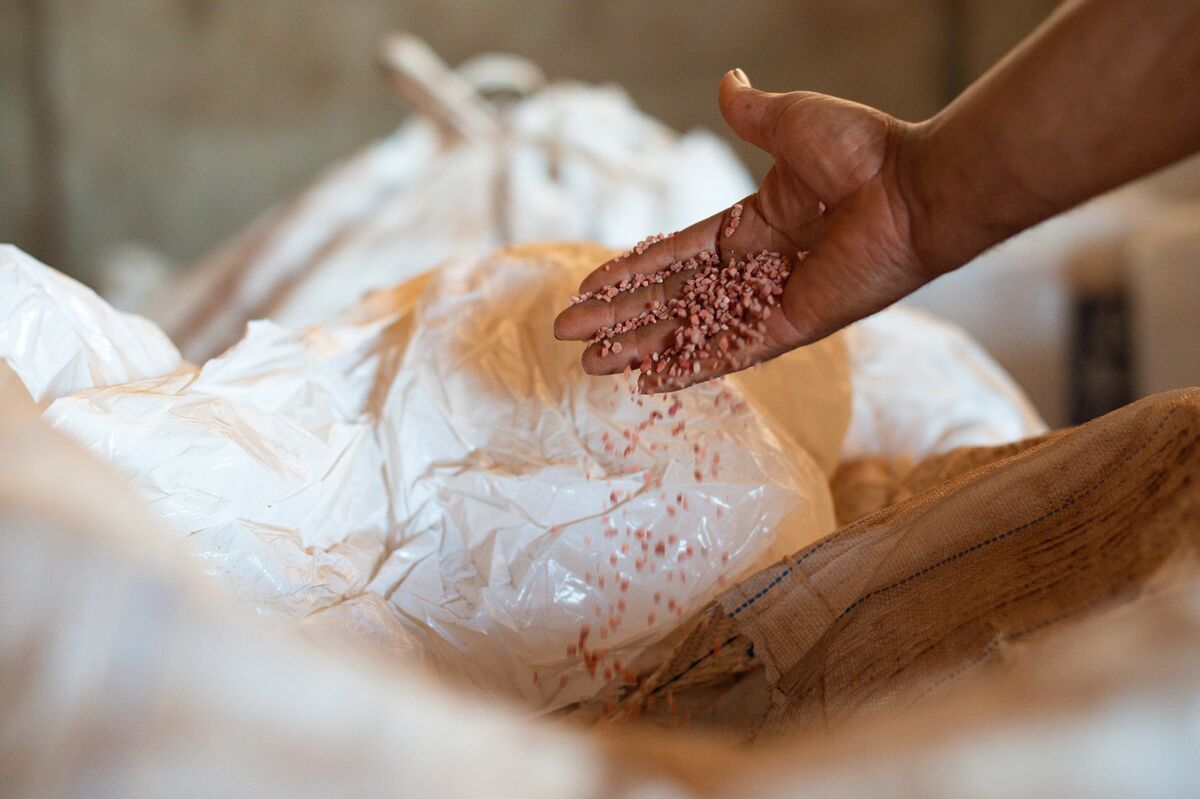
Russia extended fertilizer export quotas through Nov. 30, allowing 20 million tons of exports from June 1 to Nov. 30 amid a global nutrient deficit. The move comes as the Iran war and Strait of Hormuz disruptions tighten seaborne supply routes, supporting fertilizer prices and increasing supply-chain risk. This is negative for global buyers and agrichemicals users, with potential sector-level pricing impacts.
This is less a fertilizer headline than a macro input-cost shock to global agriculture with a lagged transmission into food inflation, seed/chemicals demand, and sovereign policy. The immediate winners are low-cost producers with unencumbered export access and balanced domestic allocation; the more interesting second-order beneficiary is any company exposed to nitrogen/phosphate replacement pricing in North America and the Middle East, where marginal tons now clear at a higher floor. The losers are import-dependent growers, especially in regions that already run thin on working capital, because fertilizer is one of the few ag inputs that can’t be substituted quickly without yield loss.
The supply chain risk is duration, not just price. Export restrictions layered on top of a shipping chokepoint problem tend to extend the cycle because buyers front-load purchases, then discover replenishment is slower than expected; that usually creates 1-2 quarters of persistent tightness even if headlines stabilize. If the geopolitical backdrop worsens, freight, insurance, and payment frictions can matter as much as the physical tonnage cap, effectively shrinking usable supply beyond the stated quota.
Consensus may be underestimating demand destruction on the margin. At sustained elevated fertilizer prices, growers can cut application rates, switch crop mix, or delay purchases, which eventually caps upside for the fertilizer complex and shifts the edge toward upstream energy/feedstock names rather than pure-play nutrient distributors. The best contrarian setup is to fade the idea that this is a clean bullish call on fertilizer equities; the bigger beneficiary may be inflation-sensitive agriculture exporters and land owners, while fertilizer manufacturers with high gas exposure or heavy seaborne sales face a narrower window to monetize the spike before buyer resistance sets in.
AI-powered research, real-time alerts, and portfolio analytics for institutional investors.
Request TrialOverall Sentiment
moderately negative
Sentiment Score
-0.25
