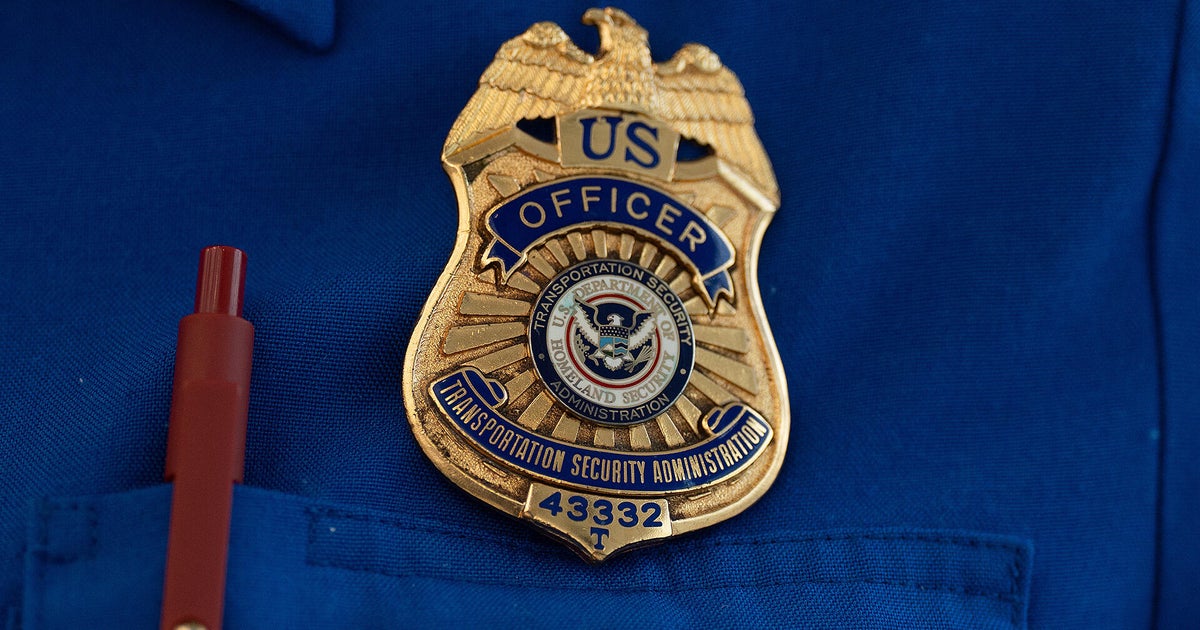
25 TSA officers resigned from jobs at Boston Logan Airport amid the partial U.S. government shutdown after Congress again failed to pass a DHS funding bill. President Trump signed an executive order to provide TSA back pay using prior GOP spending funds, but the union says officers may only be paid for Feb 14–Mar 12. The airport reported minimal sick calls and little impact to TSA wait times, though officers working unpaid and passenger anxiety signal localized operational and labor strain.
The situation creates a thin-but-tense operational margin at major hub airports: resilience so far has come from discretionary overtime and goodwill, not structural redundancy. That is fragile — if attrition accelerates or a second shock (weather, cyber, strike) coincides, bottlenecks can cascade within 48–72 hours and lead to outsized flight cancellations and crew misconnects that last weeks through schedule churn.
Budget and bargaining dynamics are the primary medium-term driver. Expect Congress/agency responses that favor short-term cash fixes first (backpay, overtime) and then two paths: incremental headcount funding or accelerated automation procurement. The former increases recurring personnel cost lines for DHS; the latter creates a multi-quarter capex/contracting cycle opportunity for select defense/aviation security vendors.
Second-order demand effects matter and are asymmetric. Passengers shifting to earlier arrivals raises parking and local hospitality revenue per traveler (small, persistent upside), while even a handful of high-visibility delays at a hub can materially compress near-term bookings for the affected carriers and route pairs. Politically, this is a bipartisan fast-move issue ahead of elections — emergency appropriations or targeted equipment procurements can be signed within weeks once the pain point is visible.
Operationally, the market is underpricing the optionality in government procurement: a targeted DHS push for screening tech and contractor support could reallocate ~$100–300m per major procurement round to a handful of vendors within 3–12 months, creating concentrated upside; conversely, prolonged shutdown risk (months) would instead amplify labor costs and attrition, shifting the pain to airlines and airport operators in the near term.
AI-powered research, real-time alerts, and portfolio analytics for institutional investors.
Request DemoOverall Sentiment
mildly negative
Sentiment Score
-0.25
