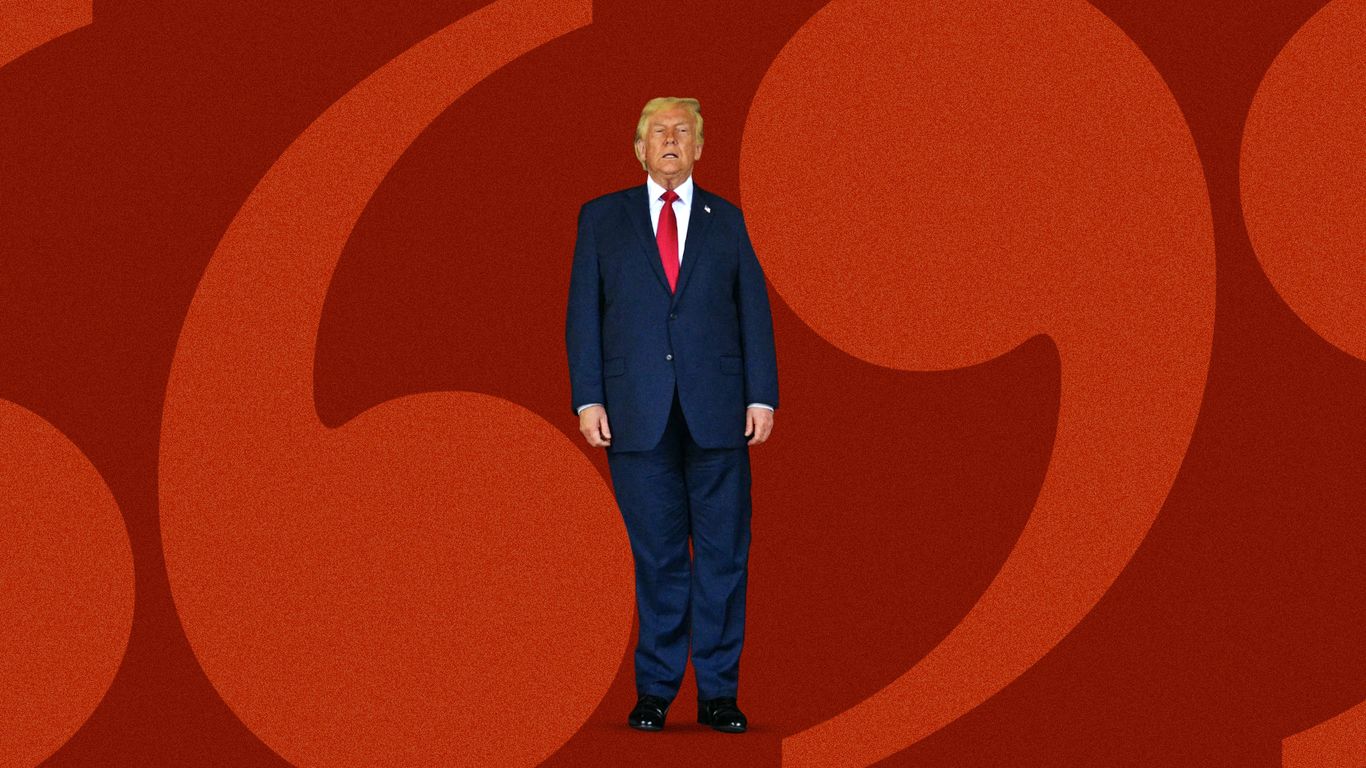
Trump is weighing military escalation against Iran while explicitly dismissing Americans’ financial concerns, raising the risk of higher oil prices, a renewed inflation spike, and equity-market volatility. U.S. officials say options include resuming Navy operations in the Strait of Hormuz or launching another bombing campaign, both of which could disrupt shipping and push crude higher. The article frames the situation as a market-wide geopolitical risk with direct implications for inflation, stocks, and election messaging.
The market is underpricing the asymmetry between a short, headline-driven spike in crude and a more durable regime shift in volatility. The first-order trade is obvious: any renewed disruption in the Strait of Hormuz would hit Brent and gasoline immediately, but the second-order effect is broader — higher energy prices would tighten financial conditions just as inflation expectations are starting to re-anchor, forcing rate-cut odds lower and pressuring cyclicals, small caps, and duration-sensitive growth. The key timing issue is that this is a catalyst-rich event with a compressed window: the next 1-3 weeks matter more than the next 1-3 quarters. Markets tend to fade geopolitical risk until shipping lanes or export infrastructure are actually impaired; if the administration signals a more aggressive posture after the China trip, the move could gap rather than trend, which makes optionality more attractive than outright beta. Conversely, if there is no kinetic follow-through, crude likely mean-reverts fast because the market will conclude the rhetoric was a negotiating tactic. Consensus is likely too focused on oil as the only transmission channel. The more important second-order loser is the broad consumer basket: gasoline acts like a regressive tax, so higher pump prices should bleed into consumer sentiment, discretionary spending, and retail margins within 2-6 weeks. That means the pain trade is not just energy importers; it is airlines, autos, homebuilders, and small-cap consumer names that are already operating with thinner cushions. The contrarian view is that Iran’s leverage may be less immediate than the headlines imply, which limits the upside in crude unless there is an actual shipping interruption. If U.S. forces only create a blockade-like squeeze without broader escalation, the market may price a contained conflict and then rotate back to fundamentals. In that case, the best expression is to own convexity into the event, not chase spot exposure after the first move.
AI-powered research, real-time alerts, and portfolio analytics for institutional investors.
Request DemoOverall Sentiment
moderately negative
Sentiment Score
-0.45
