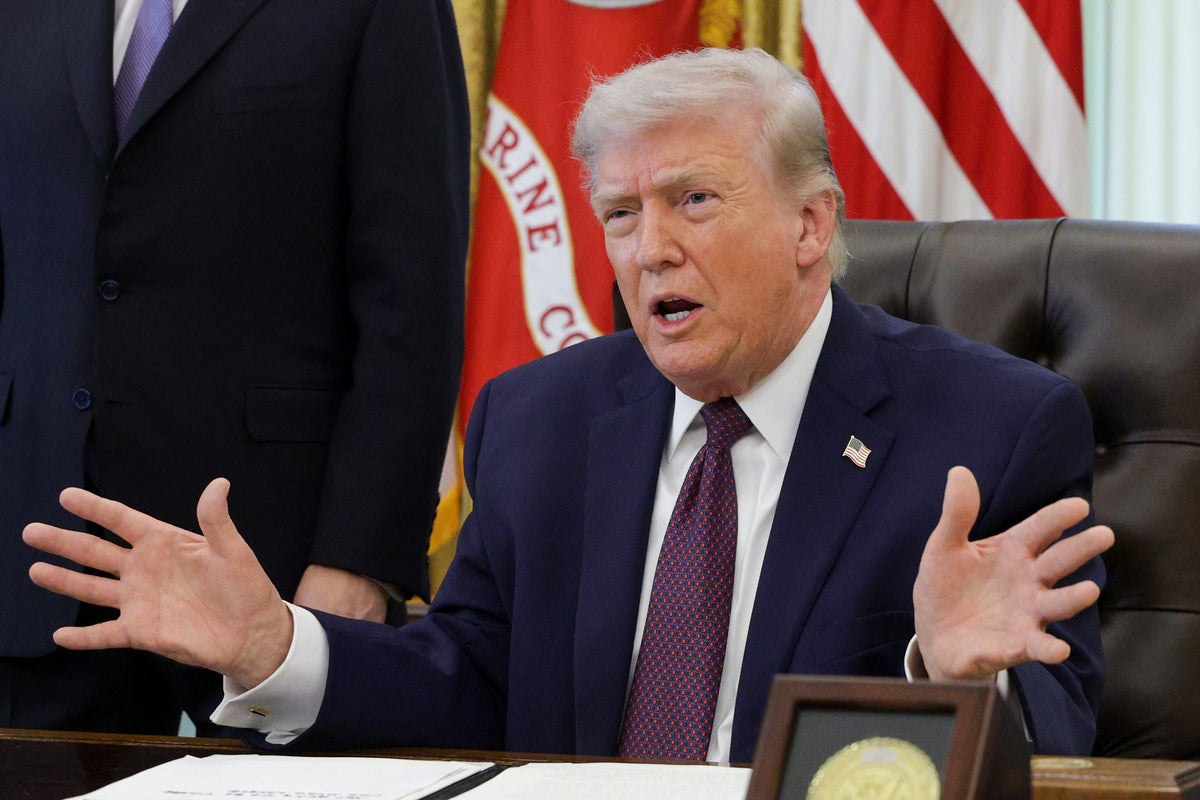
US President Donald Trump threatened to withdraw the US from NATO and vowed to “bomb Iran back to the Stone Ages,” while pressing for reopening the Strait of Hormuz — a chokepoint that handles roughly a fifth (~20%) of global oil and gas flows. His comments increase near-term risk of significant energy price shocks and allied fragmentation; UK leaders have publicly resisted deeper involvement, with YouGov showing 59% of Britons oppose the war and only 8% support broad UK attacks on Iran. Expect elevated market volatility, upside pressure on oil/gas prices and safe-haven flows until diplomatic de-escalation or a clear reopening of the strait.
The market reaction will be driven more by perceived durability of alliance/coalition risk than by immediate kinetic outcomes. That raises a persistent risk premium in energy and shipping markets: even a temporary increase in freight or insurance costs can push European natural gas and refined product spreads wider for quarters, transferring real purchasing power into exporters and insurers.
Defense and reinsurance industries are buying optionality on higher baseline budgets and elevated claims volatility; a 1-2% of GDP step-up in European defence spending over 12–36 months would translate into mid-teens incremental EBITDA for large primes versus pre-shock consensus, while reinsurers can see loss ratios swing 300–700bps in the first year. Equity and credit markets will price that into multiples and spreads asymmetrically—defense/insurer equities rerate higher while peripheral sovereign curves and high-beta European corporates cheapen.
Near-term catalysts to watch: (1) any tangible reopening of major shipping lanes or credible diplomatic pause (days–weeks) that can flush oil/tanker vol lower; (2) formal multilateral budget commitments from Europe (weeks–months) that reallocate fiscal capacity to defense and reduce market fears; (3) an escalation that prompts US Treasury/central bank intervention (weeks) which would widen risk aversion and compress risky asset liquidity. The clearest reversals will come from durable diplomatic architecture rather than tactical ceasefires, so position sizing should reflect path-dependence and non-linear payoffs.
AI-powered research, real-time alerts, and portfolio analytics for institutional investors.
Request DemoOverall Sentiment
strongly negative
Sentiment Score
-0.75
