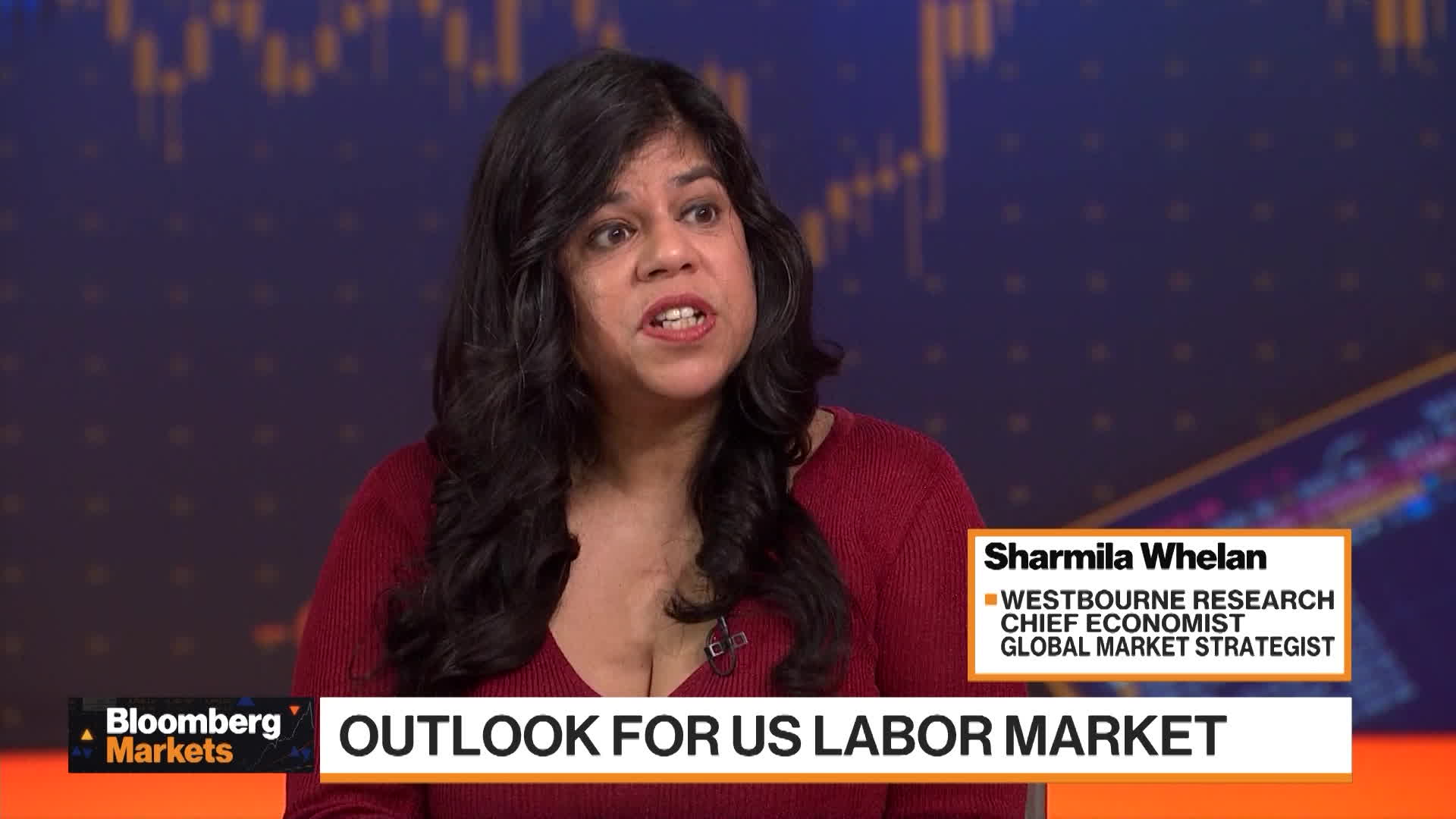
A strategist argues US equities can extend gains into next year driven by expectations of a more dovish Fed (potential December cut), a strengthening corporate profit cycle and an upswing in investment, even as the credit cycle remains in downswing and real lending rates are tight. The labor market has softened but not collapsed (unemployment ~4.4% vs 4.0% at the start of the year and ~5.1% pre‑pandemic), household real spending has outpaced income since 2019, and a sizable fiscal impulse — including an asserted ~$3.1 trillion of U.S. tax cuts/transfers toward 2026 plus European and Japanese stimulus — should favor industrials, defense and cyclical consumption while cautioning against China consumer and property exposure.
Market structure: The combination of potential Fed easing (market is pricing a December cut) and an incoming fiscal impulse (article cites ~$3.1tn of US transfers toward households in 2026 plus sizeable European/Japanese packages) favors cyclicals that re-lever revenue to macro growth—industrial, defense, and consumer discretionary in the US. Winners: US defense primes (LMT/RTX/NOC/ITA), industrial exporters; losers: China consumer discretionary and property developers where demand and policy support are weak. Supply/demand: tariff normalization and resilient Asian exports (+~15% YoY in October) suggest supply chains are healing, reducing input-driven inflation risk but increasing competition for exporters.
Risk assessment: Key tail risks are a credit shock from auto/subprime consumer delinquencies or a policy misstep (unexpected Fed hawkishness or aggressive fiscal overheating) that re-tightens real lending rates. Near-term (days–weeks) risks center on headline volatility (employment, CPI, Fed minutes); medium-term (3–12 months) on credit spreads and 2026 fiscal implementation uncertainty; long-term on structural shifts in China consumption and tech leverage. Hidden dependencies: US defense demand depends on bipartisan funding and tech transfer from the US to Europe; corporate buybacks can mask leverage if cash flows deteriorate.
Trade implications: Prefer a barbell—overweight industrials/defense and high-FCF software like ORCL, underweight China consumer/property. Implement pair trades to rotate out of mega-cap concentration into cyclical exposure; use options to buy protection given credit-cycle fragility. Position sizing should favor nimble entries and add-on rules tied to macro triggers (payroll, CPI, 10y yield).
Contrarian angles: Consensus expects broadening into cyclicals but underestimates credit-cycle drag and household real-income squeeze (real spending > real income since 2019). The market may be underpricing a 5–10% correction in hyperscalers (profit-taking) while cyclicals rerate; conversely, a surprise Ukraine peace or faster-than-expected China stimulus could re-rate Europe/EM defensives and Chinese cyclicals. History: post-tariff normalization rallies tend to rotate from defensives into capex-oriented sectors over 6–12 months; be ready to fade momentum if credit spreads widen >50bps.
AI-powered research, real-time alerts, and portfolio analytics for institutional investors.
Request DemoOverall Sentiment
mildly positive
Sentiment Score
0.28
Ticker Sentiment
