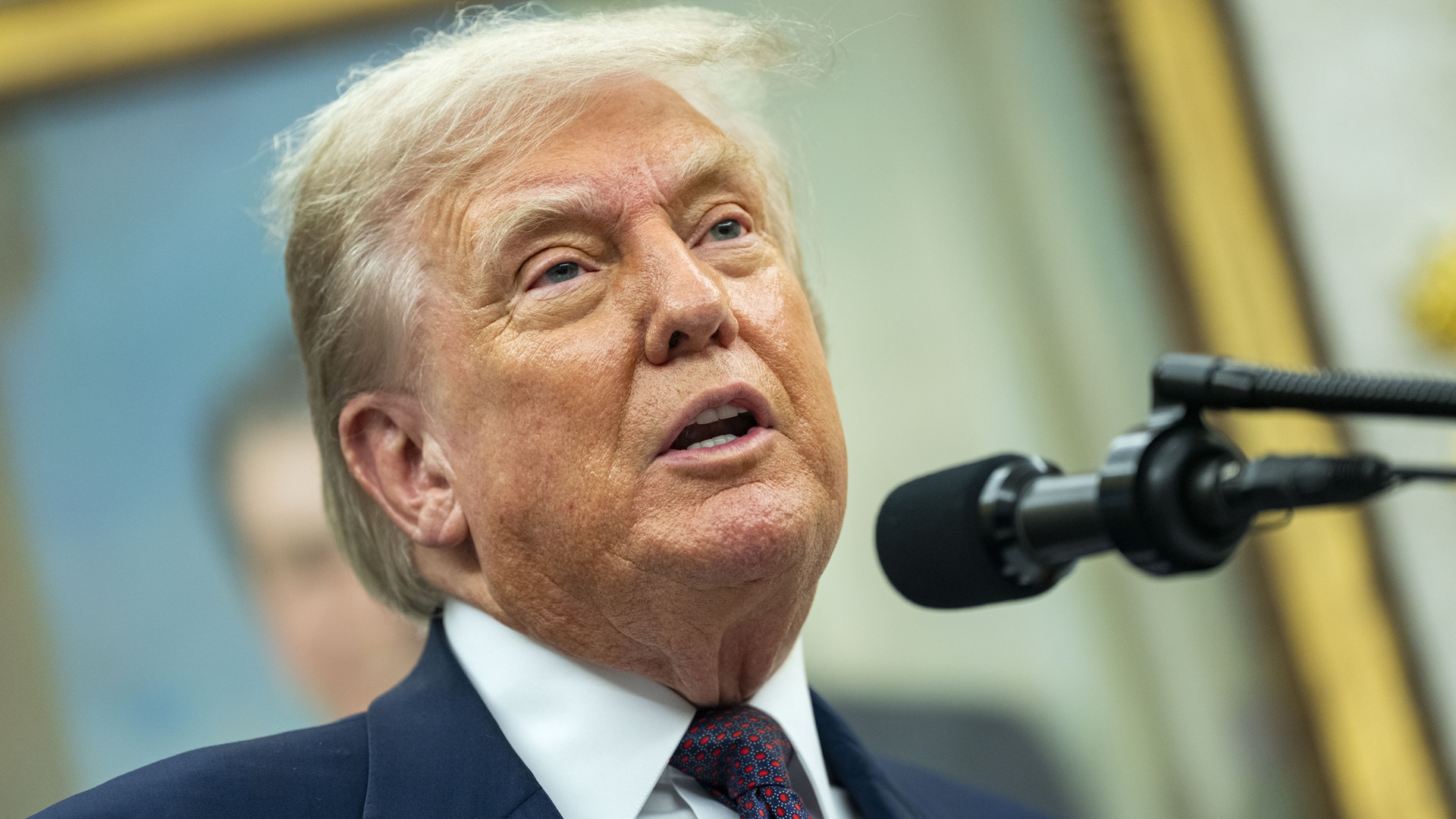
President Trump pledged a $2,000 “dividend” for most Americans but offered no operational details; White House aides including press secretary Karoline Leavitt say advisers are studying it while Treasury Secretary Scott Bessent suggested the payout could instead take the form of tax cuts, deductions or credits rather than direct checks. Analysts at the Tax Foundation (Erica York) estimate a cash distribution to the broad population could cost roughly $300 billion or more—potentially exceeding revenue from Trump’s new tariffs and vulnerable to legal challenge—so funding is uncertain. Tax treatment would vary by form (direct stimulus checks likely nontaxable, refundable tax credits reduce tax liability, deductions/exemptions alter taxable income), meaning the impact on 2026 returns and on consumer spending or deficits hinges entirely on how the administration chooses to implement and finance the proposal; market participants should monitor legislative detail and any judicial rulings on tariff-based funding.
President Trump posted on Truth Social beginning Nov. 9 that a $2,000 “dividend” would be paid to most Americans, but as of Nov. 13 the White House provided no operational details on eligibility, timing or funding; press secretary Karoline Leavitt said advisers were studying the idea while Treasury Secretary Scott Bessent suggested the relief could be implemented through tax cuts, deductions or credits rather than direct cash checks. Erica York of the Tax Foundation estimates a broad $2,000 cash distribution could cost roughly $300 billion or more, a sum that would likely exceed revenue generated so far from the administration’s tariffs and could force alternative financing or budgetary offsets. The article notes legal and political risk to tariff-derived funding—AP cited the possibility of tariffs being rescinded or struck down—which helps explain the administration’s public reluctance to promise direct checks. Tax treatment will determine the impact on 2026 returns: direct stimulus checks would likely be nontaxable, refundable tax credits would reduce liability and excess would come as refunds, and deductions/exemptions would alter taxable income; market signals in the piece are labeled mixed with a low market-impact score (0.28), implying uncertainty rather than a clear investor signal.
AI-powered research, real-time alerts, and portfolio analytics for institutional investors.
Request DemoOverall Sentiment
mixed
Sentiment Score
0.00
Ticker Sentiment
