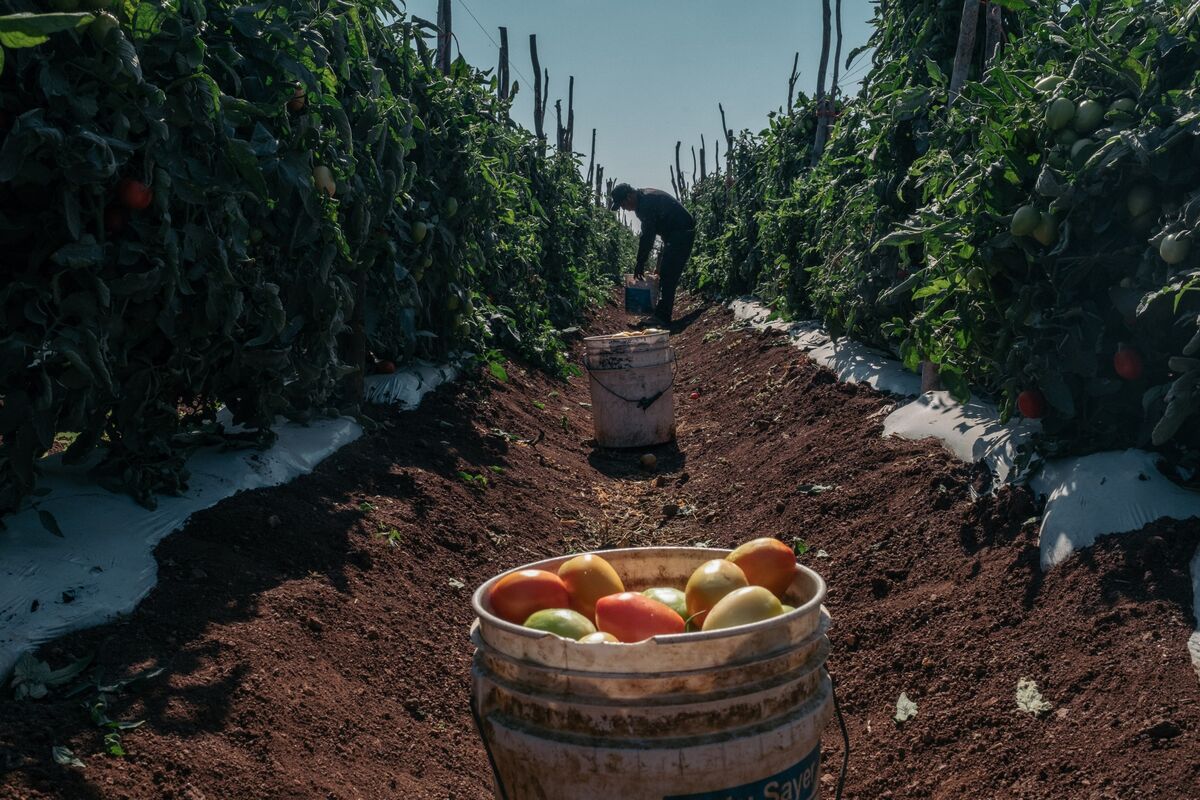
The impending expiration of a decades-long US-Mexico tomato trade agreement is set to increase US fresh tomato prices by nearly 10%, as indicated by NatureSweet Ltd. CEO Rodolfo Spielmann. This development, stemming from the lack of a last-minute deal or extension, signals higher consumer costs and potential supply chain adjustments for agricultural importers.
The impending expiration of a multi-decade US-Mexico tomato trade agreement introduces a direct and quantifiable inflationary shock to a key consumer staple. The explicit guidance from NatureSweet Ltd.'s CEO, Rodolfo Spielmann, of a nearly 10% price increase provides a concrete measure of the immediate cost pass-through to customers if negotiations fail. This situation highlights the vulnerability of the US food supply chain to shifts in trade policy, transforming a diplomatic issue into a tangible impact on consumer wallets and corporate input costs. The moderately negative sentiment and uncertain tone reflect the binary nature of the outcome, where the absence of a last-minute deal will directly fuel food inflation and create margin pressure for businesses reliant on this commodity.
AI-powered research, real-time alerts, and portfolio analytics for institutional investors.
Request DemoOverall Sentiment
moderately negative
Sentiment Score
-0.50
