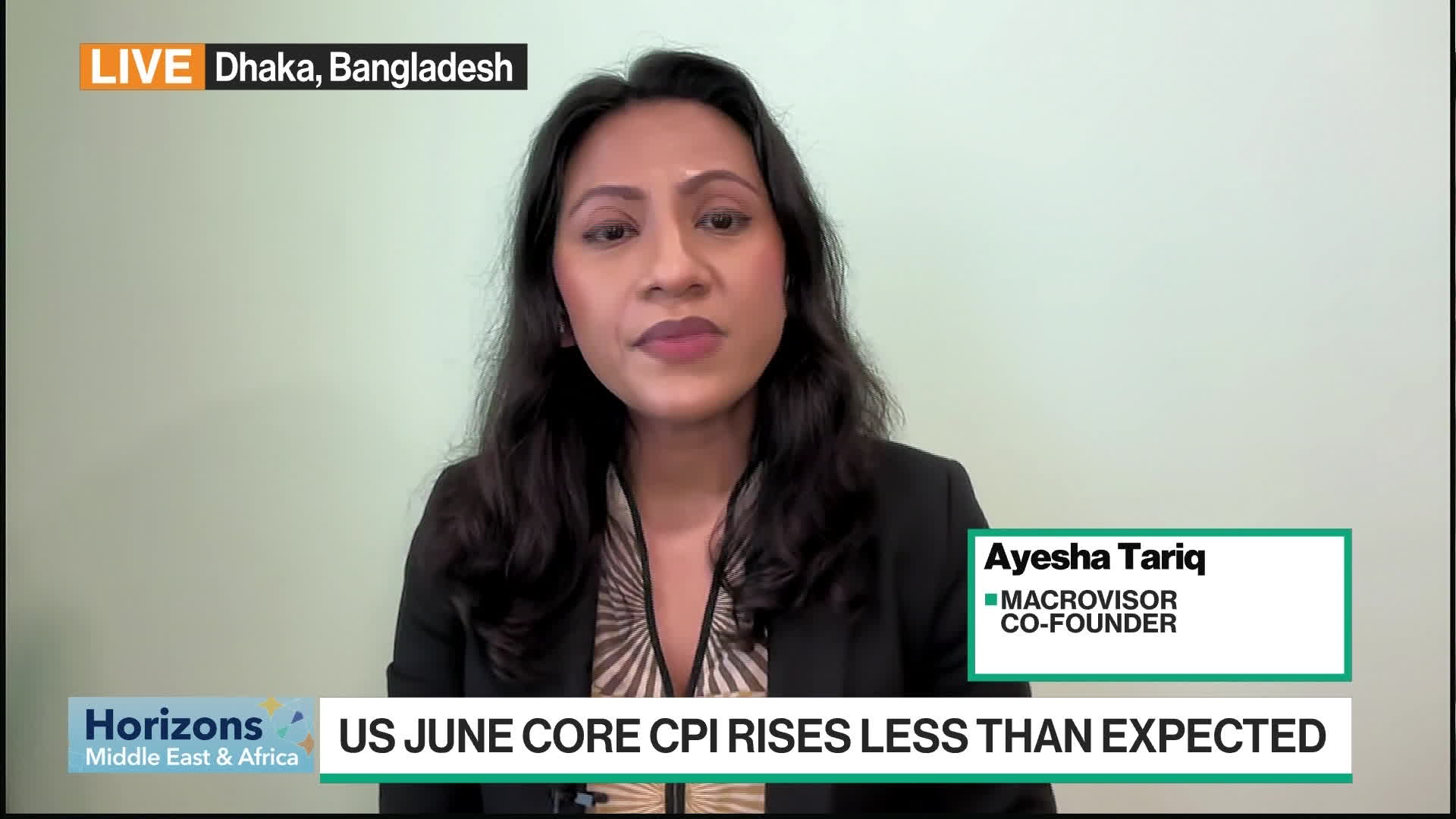
Underlying US inflation in June rose less than anticipated for the fifth consecutive month, primarily due to lower car prices offsetting gains in other tariff-exposed goods. This sustained moderation in core inflation is a significant development, influencing the Federal Reserve's monetary policy path, a topic recently highlighted by industry experts.
Underlying US inflation moderated for a fifth consecutive month in June, coming in below consensus expectations. This sustained trend of disinflation was driven primarily by a decline in car prices, which was significant enough to offset upward price pressures on other goods impacted by tariffs. The persistent undershooting of inflation targets is a critical development for the Federal Reserve, as it provides substantial flexibility for future monetary policy. The data reinforces a narrative of easing price pressures, potentially strengthening the case for a more dovish policy stance, a key point of discussion for market participants regarding the Fed's path forward.
AI-powered research, real-time alerts, and portfolio analytics for institutional investors.
Request DemoOverall Sentiment
moderately positive
Sentiment Score
0.60
