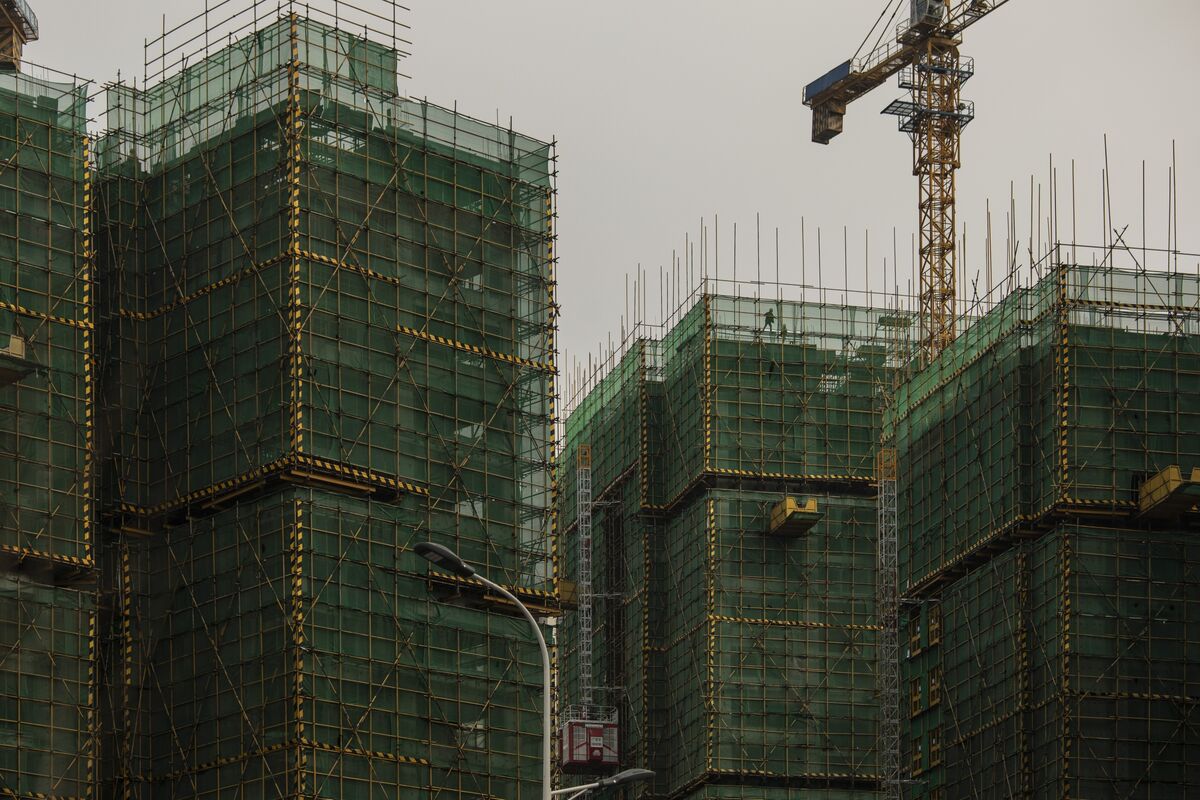
Goldman Sachs projects China's new home demand will remain 75% below its 2017 peak due to declining population growth and urbanization. Analysts cite expectations of price declines leading to decreased investment interest and potential for negative investment demand as owners sell vacant properties, further impacting the housing market.
Goldman Sachs Group Inc. forecasts a substantial and sustained contraction in China's urban new home demand, projecting it to remain 75% below its 2017 peak in the forthcoming years. This outlook is primarily driven by adverse demographic trends, including a declining population and slowing urbanization, which are expected to significantly reduce organic demand for housing. Compounding this, Goldman Sachs analysts anticipate that expectations of continued price declines will negatively impact investment interest, potentially leading to a scenario where investment demand turns negative as existing owners offload vacant properties. This signals a structural, rather than cyclical, downturn for a critical sector of the Chinese economy.
AI-powered research, real-time alerts, and portfolio analytics for institutional investors.
Request DemoOverall Sentiment
strongly negative
Sentiment Score
-0.75
Ticker Sentiment
