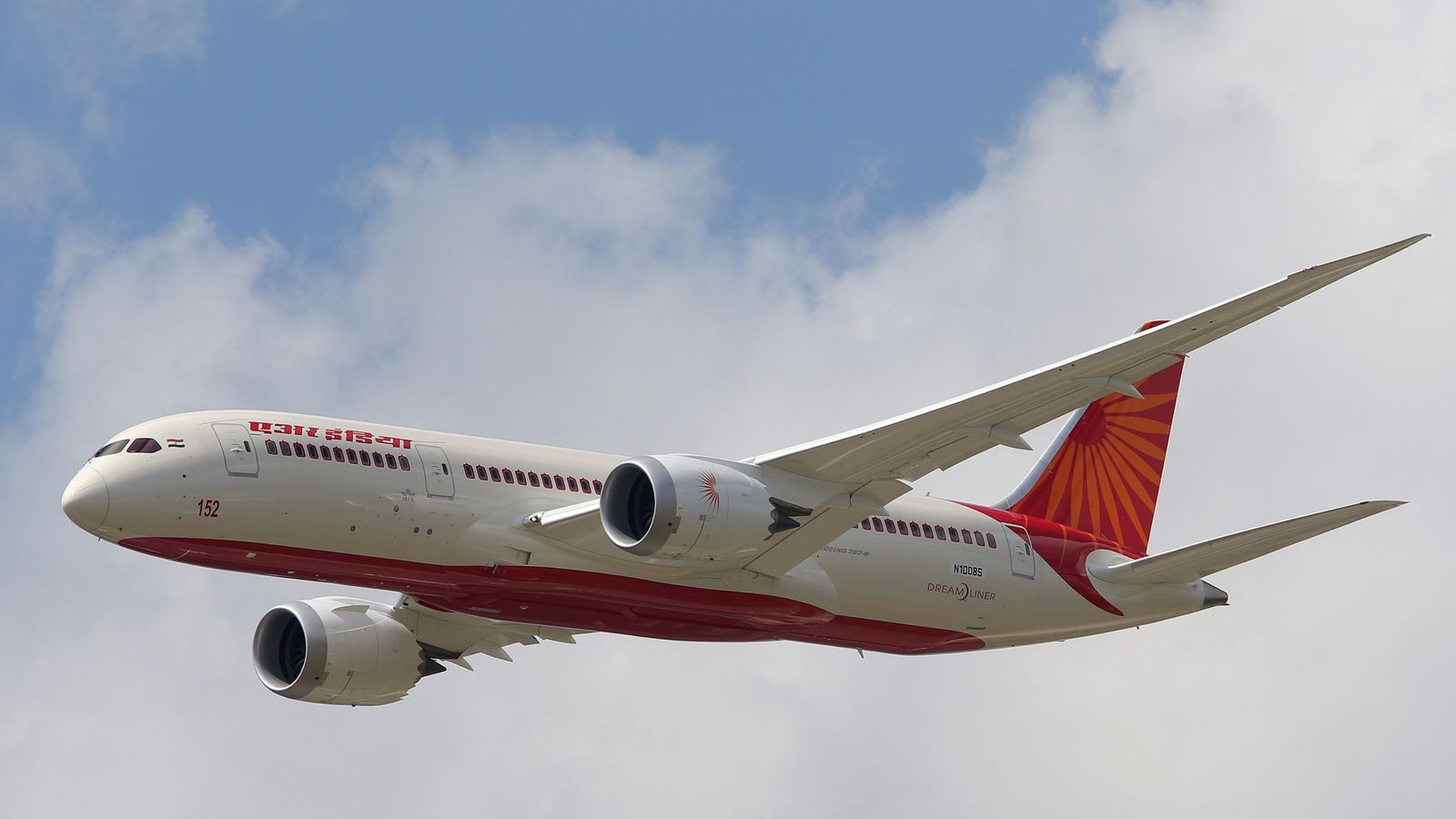
A Boeing 787-8 operated by Air India was grounded after a pilot on flight AI132 from Heathrow to Bengaluru logged that the left fuel control switch 'slips from RUN to CUTOFF' and does not lock; the airline has involved the OEM and notified India's DGCA. The report echoes findings in the AAIB preliminary probe of the June AI171 crash that struck a building and killed 260, and follows a 2018 FAA safety alert (SAIB NM-18-33) warning of similar switch malfunctions. Air India says it previously inspected FCS mechanisms across its 787 fleet with no issues found; Boeing says it is supporting the review. The development raises the prospect of renewed regulatory scrutiny, further inspections or groundings and reputational and operational pressure on Boeing and Air India, with potential short-term negative investor sentiment for aerospace stakeholders.
Market structure: Boeing (BA) is the immediate loser — an operational fault tied to the 787 platform raises near-term delivery and liability risk; expect 5–15% market-share pain for BA in widebody orders if regulators expand inspections. Airbus (EADSY) and less-787‑dependent OEMs are tactical beneficiaries (buy-side flows into EADSY likely within 1–3 months). Airlines with large 787 fleets (UAL, AAL) face short-term operational disruption and potential lease/repair cost inflation; used widebody availability could tighten, pushing lease rates up 5–15% over 3–6 months.
Risk assessment: Tail risks include a partial or full 787 grounding (low-probability, high-impact) causing BA equity to gap down 20–40% and credit spreads to widen 150–300bp; litigation/regulatory fines could exceed $2–5bn over 12–36 months. Immediate window (0–14 days) sees volatility spikes and headline-driven flows; medium-term (1–6 months) depends on DGCA/FAA directives and batch-specific findings; long-term (6–24 months) hinges on supply‑chain remediation and order cancellations. Hidden dependencies: MRO capacity, supplier buyback clauses, and insurer reinsurance limits that could amplify claims.
Trade implications: Active trades: (1) establish a 1–2% portfolio short via BA 3–6 month put spread (buy 15% OTM, sell 30% OTM) to cap cost, act within 0–10 days if IV >30% above baseline; (2) pair trade long EADSY vs short BA (1:1) sized 2–4% with 6–12 month horizon; (3) reduce exposure to UAL/AAL by 2–4% and rotate into airport infra/defensive travel names for 1–3 months. Monitor regulatory notices and IV levels as entry/exit triggers.
Contrarian angle: The market may over-index to systemic failure; if inspectors find a discrete switch batch or maintenance SOP issue, fixes and limited service bulletins could resolve disruption within 30–90 days. If BA equity drops >30% from pre-event levels, initiate staggered re-entry up to 2–3% portfolio for mean‑reversion over 6–12 months, while keeping downside protection in place.
AI-powered research, real-time alerts, and portfolio analytics for institutional investors.
Request DemoOverall Sentiment
moderately negative
Sentiment Score
-0.41
Ticker Sentiment
