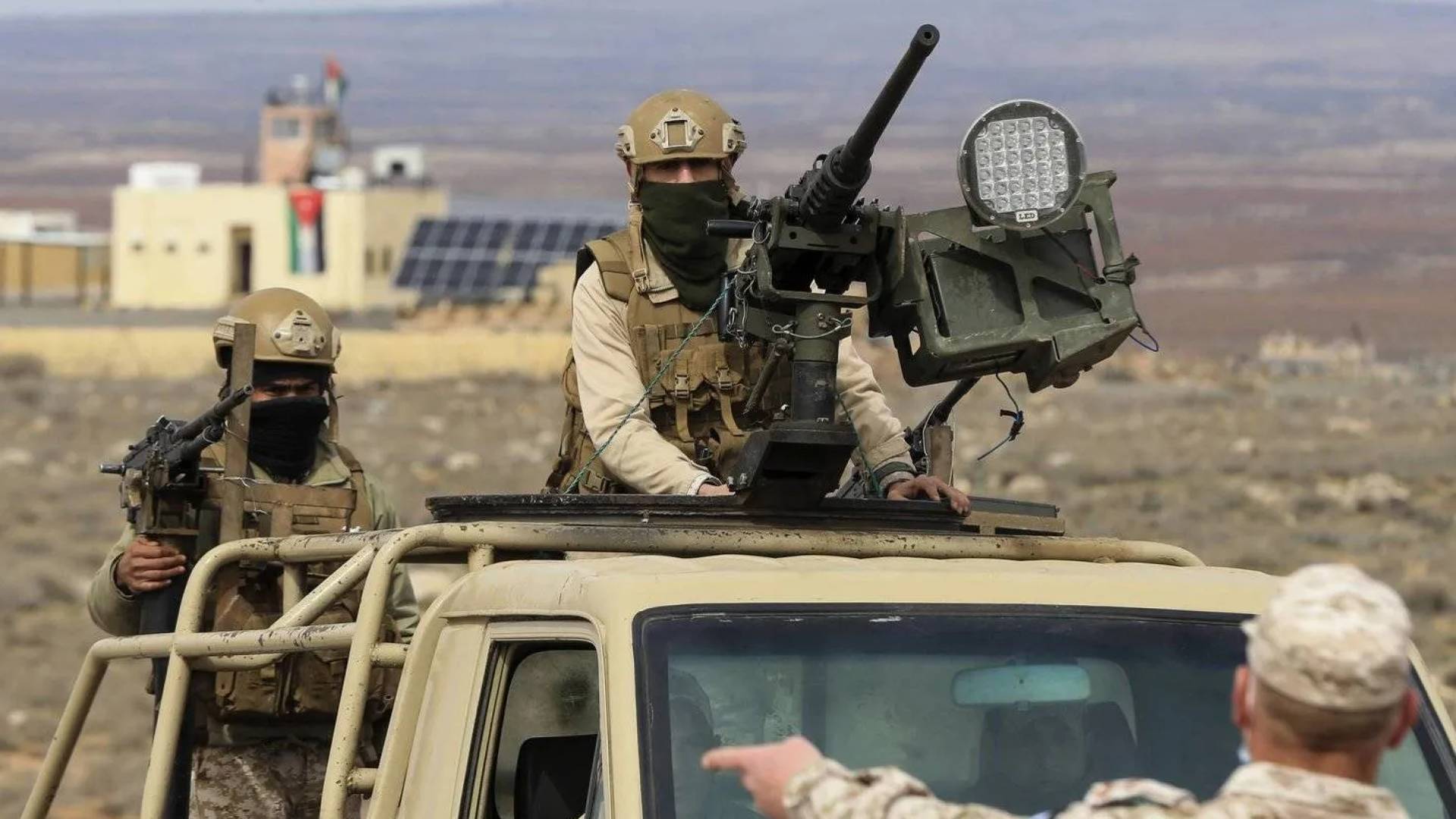
A Jordanian official told Roya that claims by the Israeli military of a “border infiltration” from Jordan into Israel were denied. Israeli forces initially reported two suspects crossed from the Jordanian border and launched a search involving special forces and aircraft, but later stated an infiltration into Israeli territory was ruled out. The episode appears to be a brief, contained security scare on the Jordan–Israel border with limited implications for regional stability or financial markets.
Market structure: A denied border infiltration is a headline-driven event that transiently benefits defense primes (RTX, LMT, NOC) and border-security tech vendors while briefly hurting Israeli equities (iShares MSCI Israel ETF EIS) and tourism/airlines. Pricing power shifts are short-lived: defense contractors see order-visibility unchanged (procurement cycles = quarters/years) so any price move is momentum/liquidity-driven rather than fundamental; oil demand impact is negligible unless escalation >2% of regional supply occurs.
Risk assessment: Tail risk remains a low-probability/high-impact regional escalation that could push Brent >$10/bl higher and drive a >10% drawdown in Israeli equities and EM FX (ILS) within days; near-term (0–7 days) volatility spike is most likely, medium-term (1–3 months) reversion probable if no casualties. Hidden dependencies include US military posture, intelligence revisions, and social media amplification; catalysts are credible casualty reports, official confirmations, or cross-border retaliations.
Trade implications: Tactical trades should target headline volatility: short-term long exposure to large-cap defense (1–2% positions in RTX/LMT) for 2–8 weeks, paired with downside protection on Israeli exposure (buy 1–2% notional EIS 1-month put spreads). Cross-asset: small (0.5–1%) gold (GLD) allocation as a hedge if headlines worsen; bond duration likely to rally modestly (US 10y down 5–15bp) on flight-to-quality.
Contrarian angle: The consensus overweights defense on any headline; historical parallels (2018–2023 border skirmishes) show 48–72h repricing then mean reversion. The mispricing risk: defense names can fall 3–6% once headlines normalize; contrarian short-term sell-on-strength (take profits within 1–3 weeks) is warranted.
AI-powered research, real-time alerts, and portfolio analytics for institutional investors.
Request DemoOverall Sentiment
neutral
Sentiment Score
0.00
