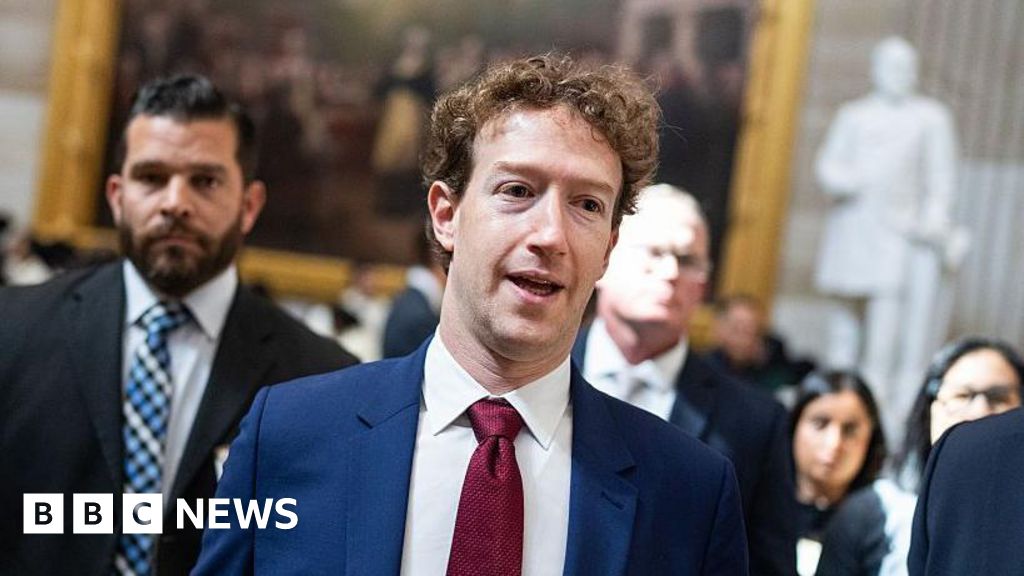
A Los Angeles jury found Meta and YouTube liable in a social‑media addiction case, awarding $6m total ($3m compensation + $3m punitive); Meta and Google say they will appeal. The verdict, alongside a separate $375m New Mexico penalty, raises legal and regulatory risk for US social platforms and could influence eight upcoming bellwether trials, pressuring sector valuations despite non‑unanimous juries and expected appeals. Managements and investors are recalculating potential exposure against Meta's roughly $1.4tn market cap, creating near‑term uncertainty for tech executives and boards.
The recent legal shock re-prices an idiosyncratic tail for engagement-first ad monetization: even a tiny increase in litigated user claims (0.01–0.1% of active users) with median settlements in the low five-figures would force multi-billion dollar reserves and materially change product incentives. Expect product teams to remove or soften features that drive micro-engagement (a measured 5–15% drop in time-spent is plausible across highly gamified cohorts), which flows directly into lower eCPMs and advertiser willingness to pay for reach-based buys.
That unfavourable feedback loop benefits platforms with revenue diversification (search, cloud, subscriptions) while hurting pure-feed, youth-focused apps that rely almost entirely on session growth to sell CPMs. Ad budgets will seek yield — performance search, CTV, and direct-response channels will be the immediate beneficiaries, accelerating a secular reallocation that could shave several percentage points off the addressable CPM pool for social incumbents over 6–24 months.
Near-term volatility will be driven by legal calendar and advertiser telemetry: bellwether rulings, appellate outcomes (12–24 months), and two ad cycles (1–2 quarters) of client spending updates are the most actionable catalysts. A favourable appellate or settlement framework that caps per-user exposure is the single largest reversing event; conversely, rulings that set precedent for punitive multipliers are the main asymmetric downside.
Practically, this is a binary-plus environment where options-based protection and directionally asymmetric pair trades beat naked long/short equity exposure. Implied volatility in options is likely under-pricing multi-trial path risk — buying structured downside protection now and rolling it through the next 6–18 months is a cost-effective way to monetize conviction while funding carry through option sales against less-impacted names.
AI-powered research, real-time alerts, and portfolio analytics for institutional investors.
Request DemoOverall Sentiment
moderately negative
Sentiment Score
-0.45
Ticker Sentiment
