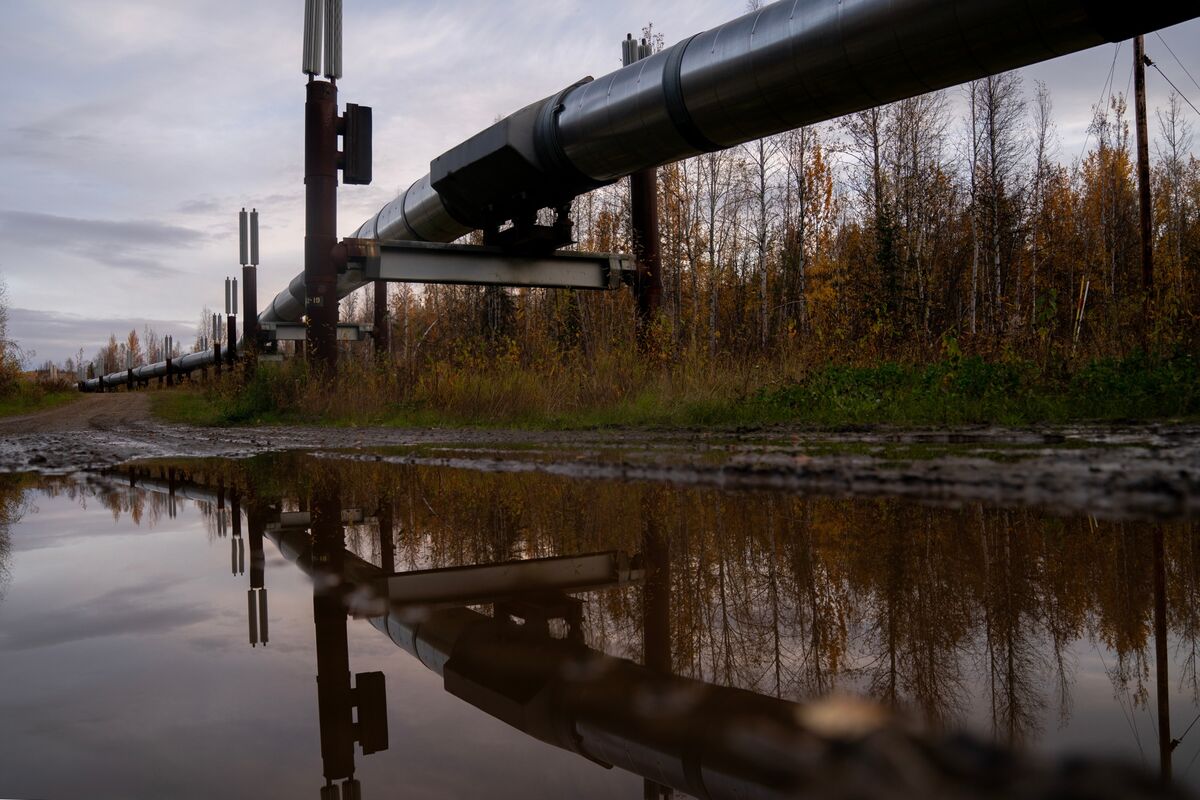
U.S. oil and gas pipeline safety enforcement cases by the Pipeline and Hazardous Materials Safety Administration (PHMSA) plummeted to a record low of 40 during the initial months of a Trump administration, according to regulator filings. This represents the fewest cases for the start of any presidential term in two decades and a 68% decline compared to a prior period, reflecting the administration's stated objective to streamline government and reduce regulatory burdens. This shift signals a significant reduction in oversight, potentially impacting operational risk profiles for pipeline operators and broader energy infrastructure.
Regulatory enforcement actions for U.S. oil and gas pipeline safety have fallen to a two-decade low under the new Trump administration, signaling a significant shift in federal oversight. The Pipeline and Hazardous Materials Safety Administration initiated only 40 enforcement cases between late January and the end of June, a figure that represents a 68% decrease compared to the start of the administration's prior term. This sharp decline in regulatory activity is a direct consequence of a stated policy to streamline government and reduce regulatory burdens. While this may translate to lower immediate compliance costs for pipeline operators, it also introduces heightened operational and reputational risks across the sector, as reduced oversight could correlate with an increased probability of safety incidents.
AI-powered research, real-time alerts, and portfolio analytics for institutional investors.
Request DemoOverall Sentiment
mildly negative
Sentiment Score
-0.20
