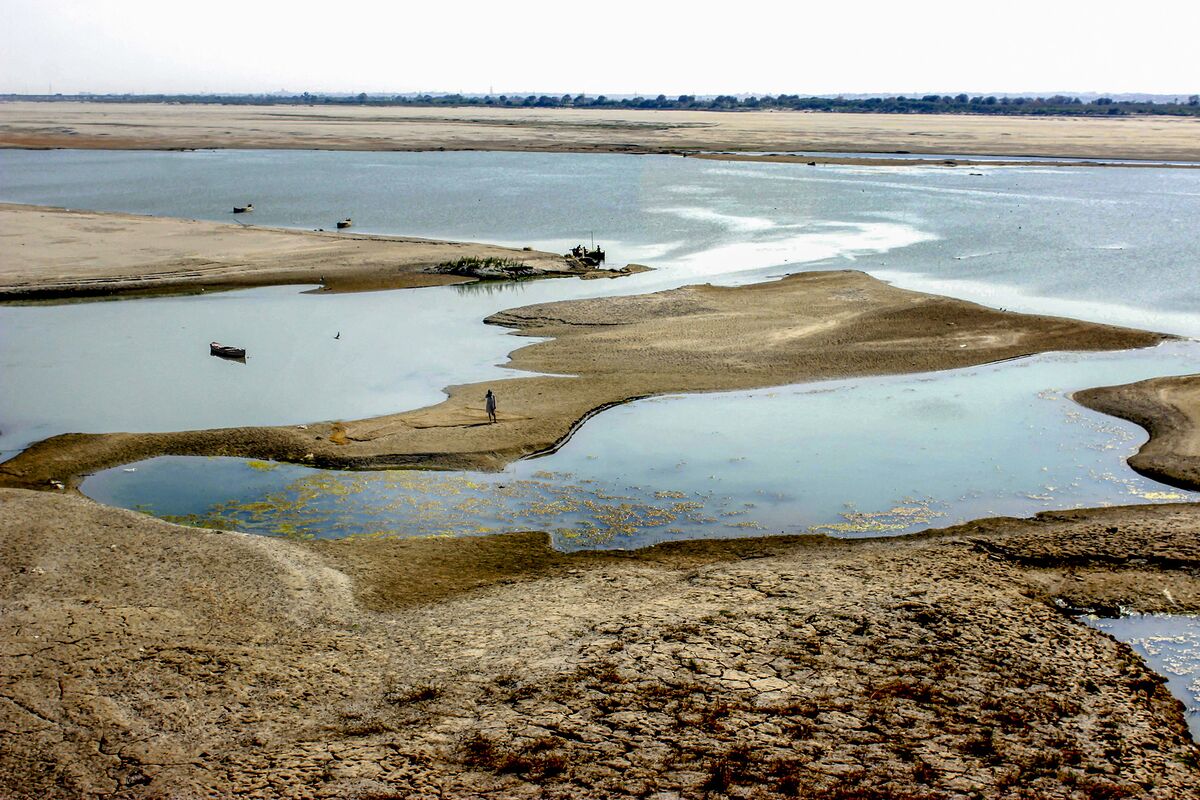
India has suspended the 65-year-old Indus Waters Treaty with Pakistan following an attack in Kashmir, marking a significant escalation in tensions between the two nations. The treaty, which governs water sharing from a major river system, had previously survived multiple conflicts, but India's dissatisfaction with outdated clauses and Pakistan's concerns over Indian hydropower projects have led to this unprecedented move. The suspension raises concerns about regional stability and the future of water resource management in the Indus River basin.
India's unilateral suspension of the 65-year-old Indus Waters Treaty with Pakistan, following an April 22 attack in Kashmir, marks a significant deterioration in bilateral relations, reaching a new low. This action is particularly noteworthy as the 1960 treaty had previously proven resilient, enduring multiple conflicts between the two nations. The suspension, attributed by India to the recent attack for which it holds Pakistan responsible (a claim Pakistan denies), also occurs against a backdrop of pre-existing grievances. For the past decade, India has expressed dissatisfaction with what it views as outdated clauses in the treaty, while Pakistan has voiced concerns over India's development of hydropower projects on the shared river system. This abrogation of a long-standing water-sharing agreement introduces considerable uncertainty regarding regional stability and the future management of critical water resources in the Indus River basin, a development characterized by a strongly negative sentiment and linked to themes of geopolitics, trade policy, and infrastructure.
AI-powered research, real-time alerts, and portfolio analytics for institutional investors.
Request DemoOverall Sentiment
strongly negative
Sentiment Score
-0.70
