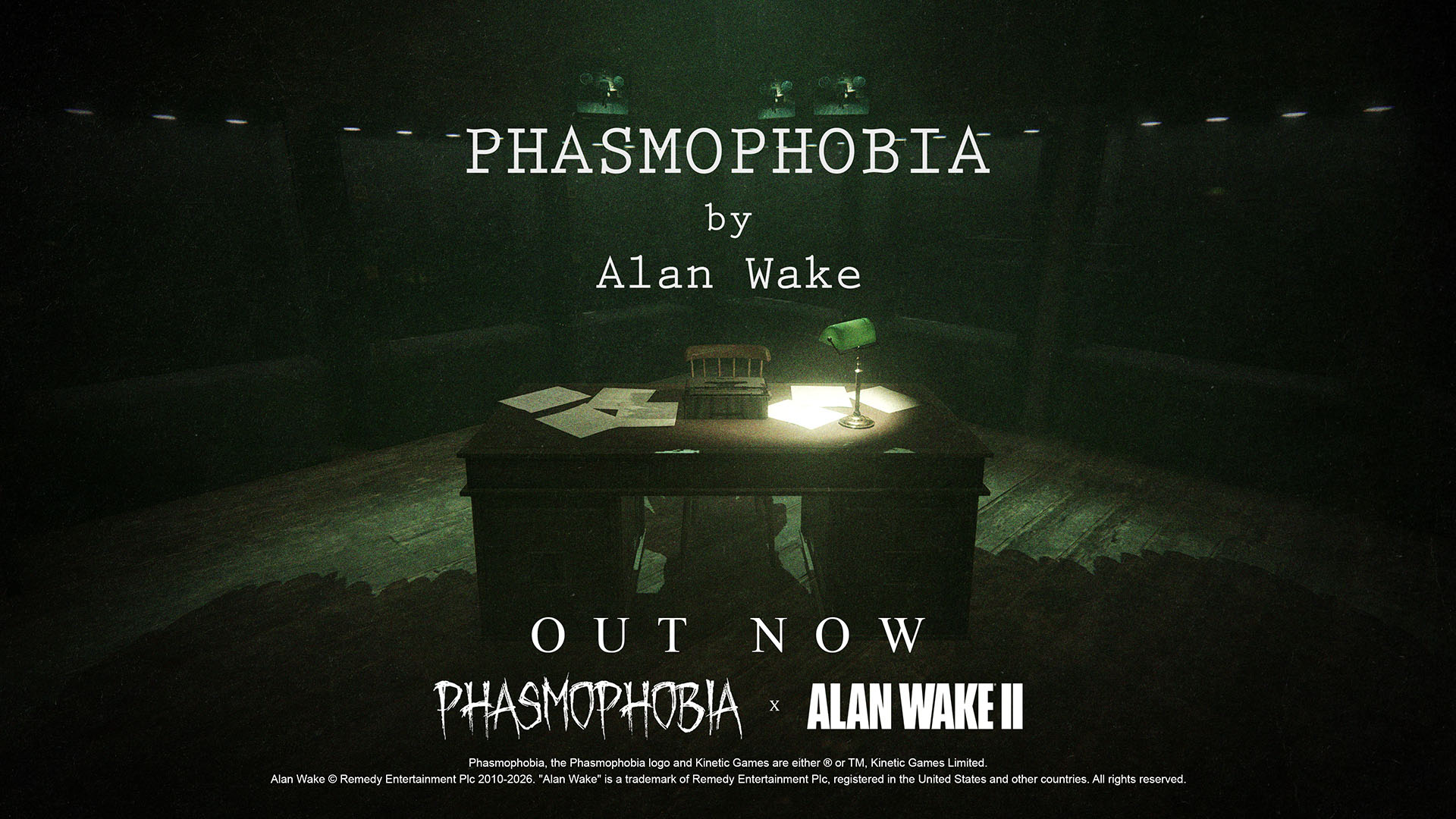
Kinetic Games launched a limited-time Phasmophobia collaboration with Alan Wake 2 on Xbox Series X|S, running from May 12 to June 2. The company says the event is designed to enhance the existing gameplay rather than replace it, and views it as a milestone that could open the door to future collaborations. The news is strategically positive for engagement and brand reach, but is unlikely to have a material near-term market impact.
This reads less like a one-off cosmetic event and more like a low-capex demand-stimulation test. For a live-service title with a durable core loop, collaborations with a premium horror IP can widen the top-of-funnel without requiring structural changes to gameplay, which is exactly the kind of content that can lift session frequency and reactivation among lapsed users. The key second-order effect is monetization efficiency: crossover content tends to convert better than generic seasonal drops because it imports an existing emotional attachment, so the upside is not just MAU but better spend per returning user.
The main beneficiary is likely Kinetic Games, but the broader signal is that indie/live-service studios with strong identity can now use licensing as a growth lever rather than a defensive one. That matters because it reduces CAC relative to paid UA and can extend the lifecycle of a mature product by 12-24 months if the event cadence stays fresh. The risk is content fatigue: if collaborations become the primary growth tool, the market may start treating them as a substitute for deeper systems improvements, which would cap multiple expansion.
For Remedy, the collaboration is modest near-term economics but strategically useful as brand reinforcement: it monetizes horror equity without diluting the Alan Wake 2 narrative positioning. The contrarian point is that the market often overestimates the direct P&L from these partnerships and underestimates the reputational value of being a “premium horror standard” that can be licensed into adjacent experiences. If this event overperforms on engagement, it could catalyze more partner-led content across the genre, which benefits IP owners with strong atmospheric signatures more than pure mechanics-driven franchises.
The main catalyst window is days to weeks: engagement data, social chatter, streamer pickup, and retention after the event ends on June 2. If those metrics disappoint, the move likely fades quickly; if they beat internal expectations, it strengthens the case for recurring collaborations and supports a higher long-term content ROI framework. Tail risk is that the event lands as niche fan service rather than a meaningful reactivation driver, in which case the stock impact for any publicly listed counterparties would be negligible.
AI-powered research, real-time alerts, and portfolio analytics for institutional investors.
Request DemoOverall Sentiment
mildly positive
Sentiment Score
0.25
