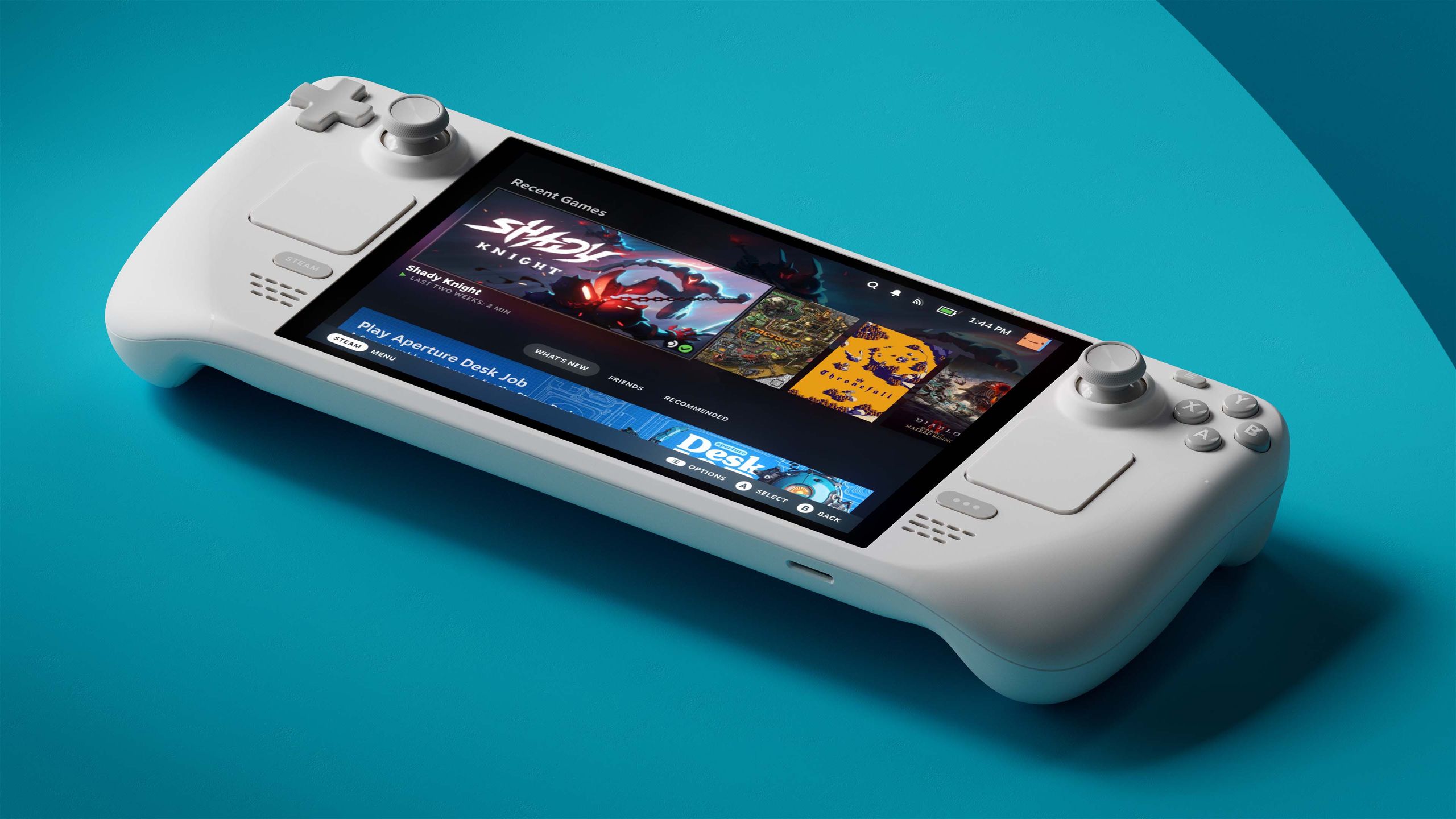
Linux share on Steam jumped to 5.33% in March from 2.13% in February (+3.20 percentage points), overtaking MacOS (2.35%) while Windows remains dominant at 92.33%. Windows 11 gained over 10% of users as Windows 10 declined ~15%. GPU data reverted: the Nvidia RTX 5070 fell back to 2.87% in March after a 9.42% spike in February, returning the RTX 3060 to the top at 4.1% (down from 4.6%). AMD's RDNA4 presence is minimal (RX 9070 at #99; AMD-branded aggregate ~2.4% and ranked ninth).
The Steam/Deck-led upswing in alternate-OS gaming creates a slow-moving secular pressure on Windows' consumer lock-in rather than an immediate enterprise revenue shock; over 12–36 months expect more developer investment in cross-platform tooling (Proton/Wine, Vulkan/DirectX translation layers) that lowers switching costs for end users and increases the value of open-source driver compatibility. That favors vendors whose software stacks are portable and diminishes the marginal value of Windows-only features for gaming monetization, pressuring Windows retention elasticity at the margin and making consumer-facing OS improvements a nearer-term priority for Microsoft.
Survey volatility also underlines measurement risk when inferring hardware trends from opt-in datasets — short-term spikes can mislead inventory and shipment assumptions. Nvidia’s durable advantage is less about any single month of share and more about its software ecosystem (inference: CUDA, DLSS, broad OEM support) which compounds pricing power and channel preference. AMD’s visibility issues and the slow RDNA4 cadence create a two-fold risk: missed demand recognition in public data and delayed revenue realization if detection/driver issues and SKUs lag ecosystem adoption.
The contrarian read is cautionary: momentum in Linux-installed base may be geographically and cohort-concentrated (Deck buyers, enthusiasts) and reversible if Valve cadence slows or Microsoft materially fixes consumer UX; conversely, a sustained developer shift would take multiple quarters to translate into meaningful platform economics. For portfolio timing, treat the survey as a noisy leading indicator — trade execution should be event- and catalyst-driven (driver updates, earnings, Deck shipment milestones) with 3–12 month horizons depending on instrument convexity.
AI-powered research, real-time alerts, and portfolio analytics for institutional investors.
Request DemoOverall Sentiment
neutral
Sentiment Score
0.00
Ticker Sentiment
