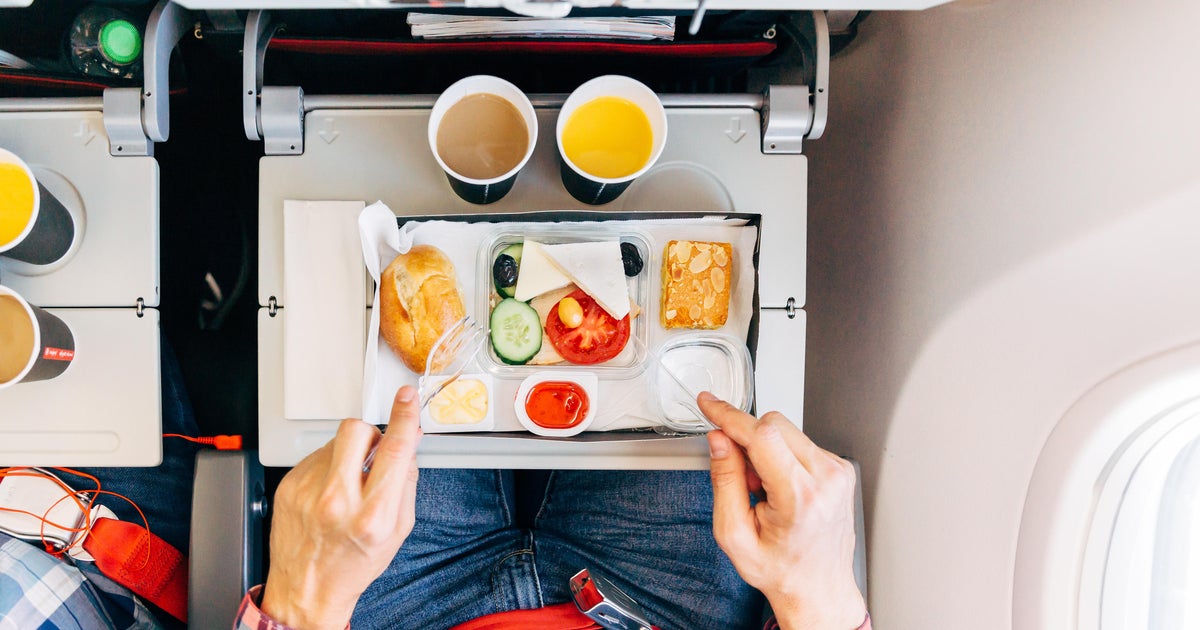
Delta will cut food and beverage service on flights under 350 miles starting May 19, leaving about 9% of its network without onboard service while 14% of daily flights gain full service for select premium and longer-route customers. The change is designed to create a more consistent customer experience and help offset higher jet fuel costs, but it is a modest product downgrade for shorter-haul travelers. The move is likely to have limited stock impact, though it underscores airline cost pressure and fare discipline across the industry.
This is a small operational change with outsized signaling value: when a premium-network carrier trims service on short-haul flying, it is usually not about catering economics as much as margin discipline and network rationalization. The second-order read-through is that legacy carriers are getting more comfortable standardizing product around yield buckets, which should modestly improve seat economics on dense East Coast business routes and pressure smaller regional competitors that rely on a softer service proposition to justify fare premiums. Near term, the earnings impact is too small to matter in isolation, but the mix shift matters. By removing low-value variable costs on short sectors while adding service on longer segments, Delta is effectively reallocating margin support to routes where customer willingness to pay is higher and where food/beverage is more visible in NPS scoring. That should help sustain premium cabin and branded-fare attachment rates, but it also raises the bar for competitors: if United and American do not respond, Delta can frame itself as both more consistent and more premium on the routes that matter most to corporate travel. The market may be underestimating the broader airline implication: this reads like an industry-wide pre-emptive margin defense against fuel and fares normalizing lower after the recent surge, not a one-off cost cut. If jet fuel stays elevated for another quarter, expect further ancillary rationalization, less generous short-haul product, and more aggressive capacity pruning on marginal routes. The key risk is that service cuts on short-haul business markets annoy high-frequency travelers enough to weaken loyalty share over months, but that tends to show up slowly and is usually offset if competitors follow within a quarter. Contrarian view: the move is probably not meaningfully bearish for Delta stock because investors already expect airline management teams to protect margins wherever they can. The bigger opportunity is relative value versus peers if Delta uses this as a subtle weapon to preserve premium pricing while competitors remain more exposed to fuel and labor cost pressure.
AI-powered research, real-time alerts, and portfolio analytics for institutional investors.
Request DemoOverall Sentiment
mildly negative
Sentiment Score
-0.15
Ticker Sentiment
