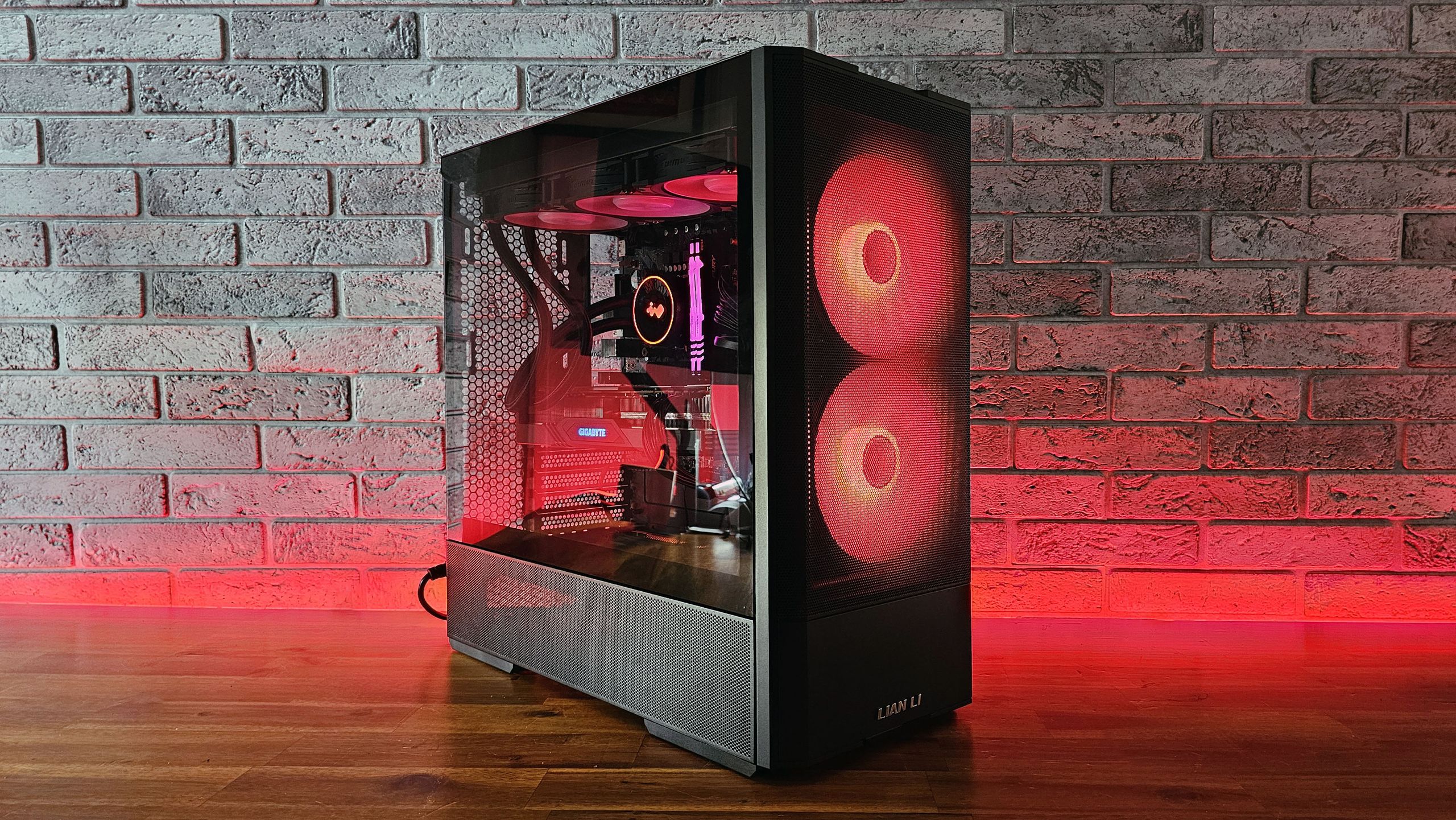
Surging AI-driven demand has strained memory and storage supply chains, sending DDR5 prices roughly 4x higher and SSD prices broadly doubling, prompting Japanese build-to-order PC retailers to suspend or limit orders. Retailers cited include Sycom (brief pause Dec 16–19), TSUKUMO (halted new orders and paused delivery ordering for the rest of 2025), and Mouse Computers (sales suspension for NEXTGEAR, G TUNE and DAIV from Dec 23, 2025 to Jan 4, 2026; orders resuming Jan 5 with higher prices). The shortages and delivery delays risk squeezing BTO margins, disrupting sales volumes over the holiday season and could feed into broader consumer price pressures for electronics.
Market Structure: Memory chipset suppliers (DRAM/NAND makers) are the primary winners as pricing power shifts to fabs; expect MU, 000660.KS (SK Hynix), and 005930.KS (Samsung Electronics) to see gross-margin expansion if DDR5 stays ~3–4x pre-AI price levels over the next 6–18 months. PC OEMs and BTO retailers (DELL, HPQ, small integrators) are losers facing margin compression, cancelled sales and inventory write-down risk; consumer PC volumes may drop 10–20% seasonally if prices stay elevated. Cross-asset: sustained memory inflation is a modest stagflation signal—supportive for cyclical semis equities and commodities (gold), bearish for long-duration sovereign bonds and consumer discretionary names, and likely to increase equity and options volatility in SOXX/SMH and retail ETFs (XRT).
Risk Assessment: Tail risks include abrupt export controls or a rapid capex cycle overshoot that collapses prices (memory price crash >50%), or supply chain disruption from a major fab outage raising prices further; both are 5–15% probability over 12 months but would be high-impact. Near-term (days–weeks) expect order pauses and guidance revisions; short-to-medium (3–12 months) depends on fab lead times and announced capex — meaningful supply relief unlikely <12 months. Hidden dependencies: channel inventory hoarding by hyperscalers and GPU-driven DRAM demand could keep tightness longer than consumer signals indicate. Key catalysts: 1) Q1 earnings commentary from MU/SK Hynix/Samsung, 2) new fab capacity timelines announced (6–18 months), 3) any government intervention/subsidy announcements.
Trade Implications: Favor long memory/wafer-capex exposure: MU (ADR), LRCX/AMAT play capex recovery; short consumer PC OEMs (DELL, HPQ) and discretionary retail exposure. Pair trade: long MU (2–3%) vs short DELL (1–2%) to exploit margin divergence; use options to cap risk — buy 9–12 month MU call spreads (e.g., buy 1.5x–2x strikes) and buy protective puts on shorts. Rotate out of retail/consumer discretionary into semis and select industrial suppliers (LRCX, AMAT) over 1–6 months, scaling in as earnings show price realization.
Contrarian Angles: The market may under-appreciate that AI-driven demand is structural not cyclical — expect multi-year DRAM tightness if hyperscalers continue in-market stocking and DDR5 replaces DDR4 in data centers; conversely, the consensus could overprice perpetual scarcity — history (2018–2020 DRAM cycles) shows brutal capex-led reversals. A contrarian short: expensive semiconductor IP/equipment names with stretched multiples could snap back if memory prices collapse after aggressive fab buildouts; watch capex announcements and spot DRAM/NAND indices for early reversal signals.
AI-powered research, real-time alerts, and portfolio analytics for institutional investors.
Request DemoOverall Sentiment
moderately negative
Sentiment Score
-0.50
