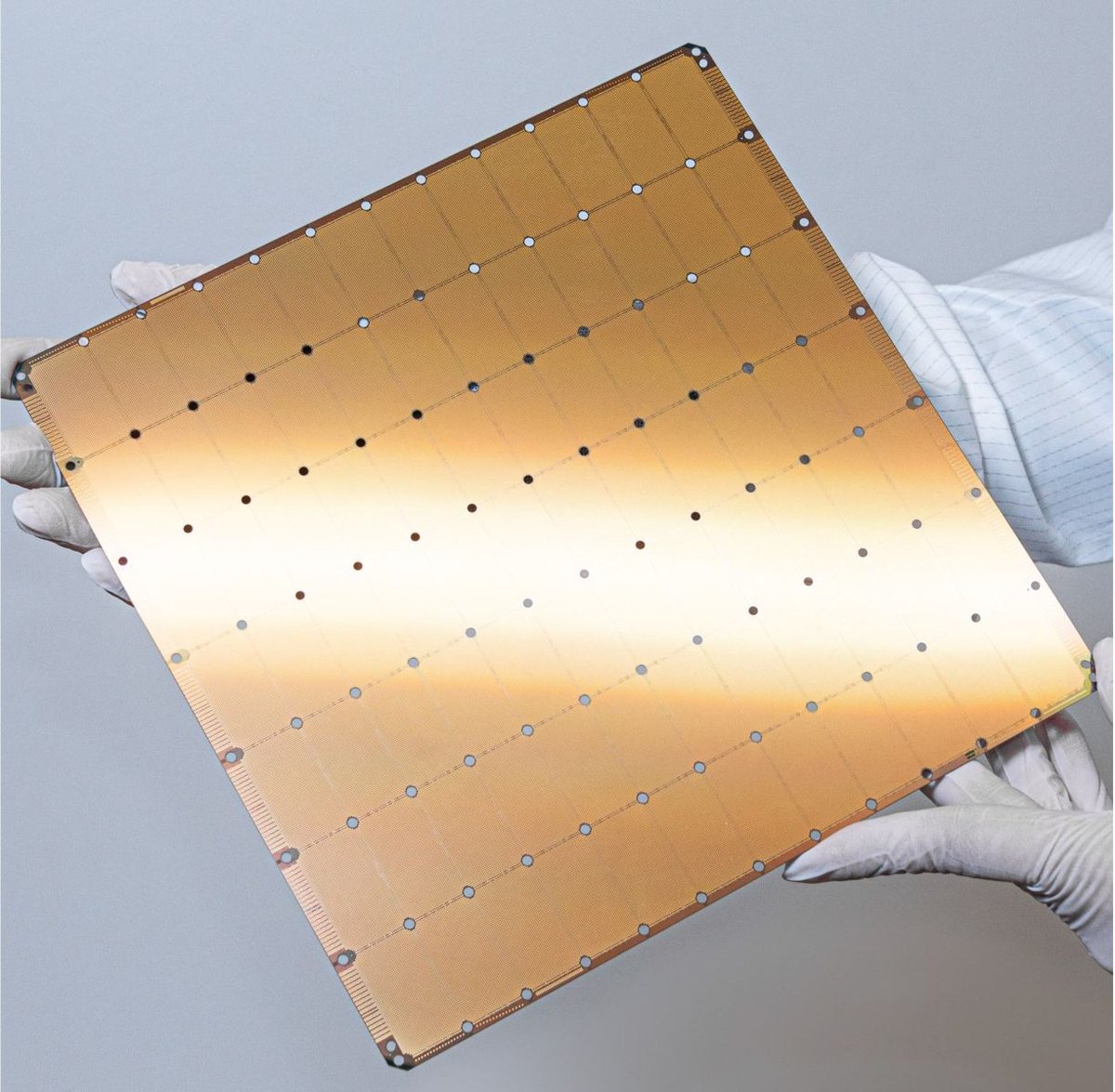
Cerebras Systems surged 68.2% in its Nasdaq debut, closing at $311.07 versus a $185 IPO price after opening at $350. The company raised about $5.55 billion at a roughly $67 billion market cap, making it the largest IPO of 2026 so far and highlighting strong demand for AI chip exposure. The article emphasizes rapid revenue growth to $510 million in 2025, though the business remains unprofitable on an operating basis.
CBRS reprices the market’s willingness to fund “infrastructure-level” AI compute as a category, not just a chip vendor. The second-order signal is that capital is now rewarding differentiated inference architecture with IPO scarcity value, which can pull multiple expansion across the entire AI supply chain even if near-term fundamentals remain lumpy. That is mildly positive for AMZN and META because both can absorb alternative inference stacks to reduce dependency on a single vendor; the real beneficiary is anyone with large internal model-serving bills looking for leverage versus NVDA pricing power. The cleaner read is that this is not just an AI-chip win, it is a positioning event. A post-IPO float with a market cap that can plausibly qualify for index inclusion creates forced buying over the next several rebalance windows, which can keep the stock mechanically bid even if operating execution is still early. That matters because passive demand can temporarily distort the competitive signal: the market may interpret CBRS strength as product superiority rather than a mix of scarcity, narrative, and ETF flows. The contrarian risk is that inference leadership is much harder to monetize at scale than training hype suggests. If customers adopt CBRS for specific high-throughput workloads but fail to broaden usage, revenue can decelerate sharply once the initial deployment cycle is done; the business is still vulnerable to concentration and to Nvidia responding with software bundling or aggressive systems pricing. Over a 3-12 month horizon, the key variable is not the IPO pop itself but whether cloud/service revenue keeps outgrowing hardware and whether margins improve before incremental R&D and go-to-market spend reaccelerate.
AI-powered research, real-time alerts, and portfolio analytics for institutional investors.
Overall Sentiment
strongly positive
Sentiment Score
0.78
Ticker Sentiment
