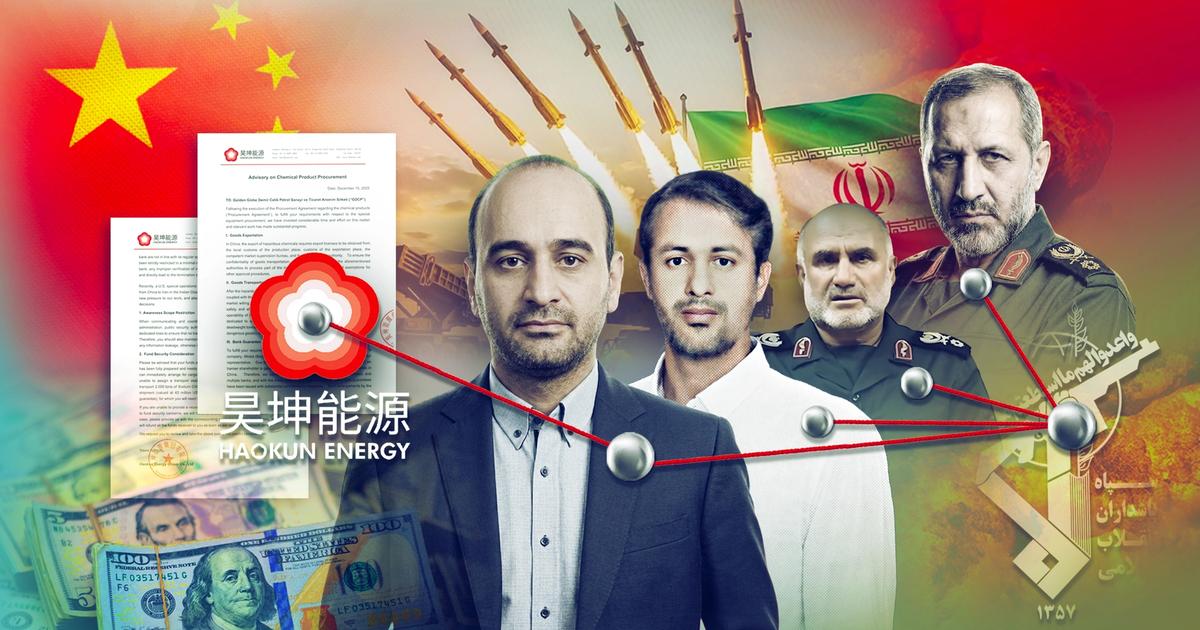
The article says the war significantly weakened Iran militarily, politically and economically, with damaged infrastructure, killed senior figures and a broken regional deterrence strategy. However, Washington and Tehran are now moving toward a possible ceasefire extension and a new nuclear negotiation phase, which could ease pressure on the regime before its vulnerabilities fully play out. The key market risk is whether diplomacy relieves or prolongs instability in a major Middle East flashpoint.
The market implication is not that Iran is 'better' or 'worse' in a binary sense, but that the regime’s risk profile has shifted from external deterrence to internal coercion. That usually means less willingness to make concessionary policy changes, even if it increases the probability of tactical deal-making abroad; regimes that feel strategically exposed often trade long-dated normalization for short-dated survival. For assets, that tends to cap any near-term relief rally in Iranian-linked risk proxies while raising the odds of periodic escalation shocks whenever negotiations stall.
The second-order effect is on regional capital allocation rather than just energy flows. A weakened Tehran reduces the discount rate for Gulf infrastructure, defense procurement, and cross-border trade normalization, while also making the market more comfortable with longer-cycle projects that had been hostage to proxy volatility. The countervailing risk is that reconstruction and sanctions relief, if they materialize, improve Iran’s import capacity before political opening occurs, which can channel spending into drones, missiles, and internal security rather than civilian capex.
Consensus appears to underprice the asymmetry between diplomatic optics and regime behavior. A weaker regime is not necessarily a more compliant one; it may be a more brittle one, which historically increases repression intensity and the chance of sudden protest-driven dislocations over the next 6-18 months. That favors positioning for intermittent risk-off spikes in Middle East exposure rather than a clean structural de-escalation trade.
AI-powered research, real-time alerts, and portfolio analytics for institutional investors.
Overall Sentiment
mildly negative
Sentiment Score
-0.15
